
Imagine your throat suddenly closes up while you are eating lunch. One minute you feel fine; the next, breathing feels like sipping through a straw. This is Anaphylaxis, a life-threatening systemic hypersensitivity reaction that can develop within minutes of exposure to an allergen. It is not just a bad allergy. It is a medical emergency where seconds count. If left untreated, it can lead to shock and death. The good news? You have a powerful tool in your pocket: Epinephrine, the only first-line medication approved for immediate treatment of anaphylaxis.
Many people confuse anaphylaxis with a standard allergic rash or sneezing fit. But this distinction saves lives. A simple hives outbreak might be annoying; anaphylaxis attacks your airway, lungs, and heart simultaneously. Understanding the difference between a manageable reaction and a critical one is the first step in staying safe.
What Exactly Is Anaphylaxis?
Anaphylaxis is defined by its speed and severity. It typically starts within minutes to a few hours after exposure to a trigger. The term comes from Greek roots meaning "without protection," reflecting how the body’s immune system overreacts to a harmless substance. Unlike localized reactions that stay on the skin, anaphylaxis is systemic-it affects multiple organ systems at once.
You don't need a lab test to diagnose it in the moment. Medical guidelines, such as those from the National Institute of Allergy and Infectious Diseases (NIAID), rely on clinical signs. If you have acute onset of illness involving skin changes (like hives or flushing) plus either breathing trouble or low blood pressure, it is likely anaphylaxis. Even if the skin symptoms are mild, if your child has a known peanut allergy and suddenly vomits repeatedly after eating, that counts too.
- Airway Compromise: Wheezing, stridor (high-pitched noise when breathing in), or a feeling of tightness in the throat.
- Circulatory Issues: Dizziness, fainting, pale or clammy skin, and weak pulse.
- Gastrointestinal Distress: Sudden, severe cramping, nausea, or vomiting.
- Skin Manifestations: Hives, itching, or swelling (angioedema) in more than 80% of cases.
The Role of Epinephrine: Why It's Non-Negotiable
When anaphylaxis hits, your body releases massive amounts of histamine and other chemicals. These cause blood vessels to widen (dropping blood pressure) and airways to constrict (making it hard to breathe). Epinephrine works against both problems. It acts on alpha-adrenergic receptors to tighten blood vessels, raising blood pressure. Simultaneously, it hits beta-adrenergic receptors to open up the airways and strengthen heart contractions.
You might wonder why antihistamines aren't enough. Here is the hard truth: antihistamines like diphenhydramine treat the itch and the hives, but they do almost nothing for the collapsing blood pressure or the closing airway. In fact, studies show that using antihistamines alone for anaphylaxis has zero efficacy in reversing the life-threatening parts of the reaction. Corticosteroids? They take hours to work and are useless in the acute phase. Epinephrine is the only drug that reverses the physiology of anaphylaxis quickly.
Dr. Robert Wood, a leading expert in pediatric allergy, puts it simply: "There is no substitute for epinephrine in anaphylaxis." Delaying its use is the single biggest predictor of poor outcomes. Every minute you wait, the risk increases.
How to Use an Auto-Injector Correctly
Most people prescribed epinephrine carry an auto-injector device, such as the EpiPen, Auvi-Q, or Adrenaclick. These devices deliver a precise dose into the muscle. Getting the technique right is crucial because incorrect administration can delay absorption or fail to deliver the drug entirely.
- Unsheath the Device: Remove the safety cap (usually blue) from the end.
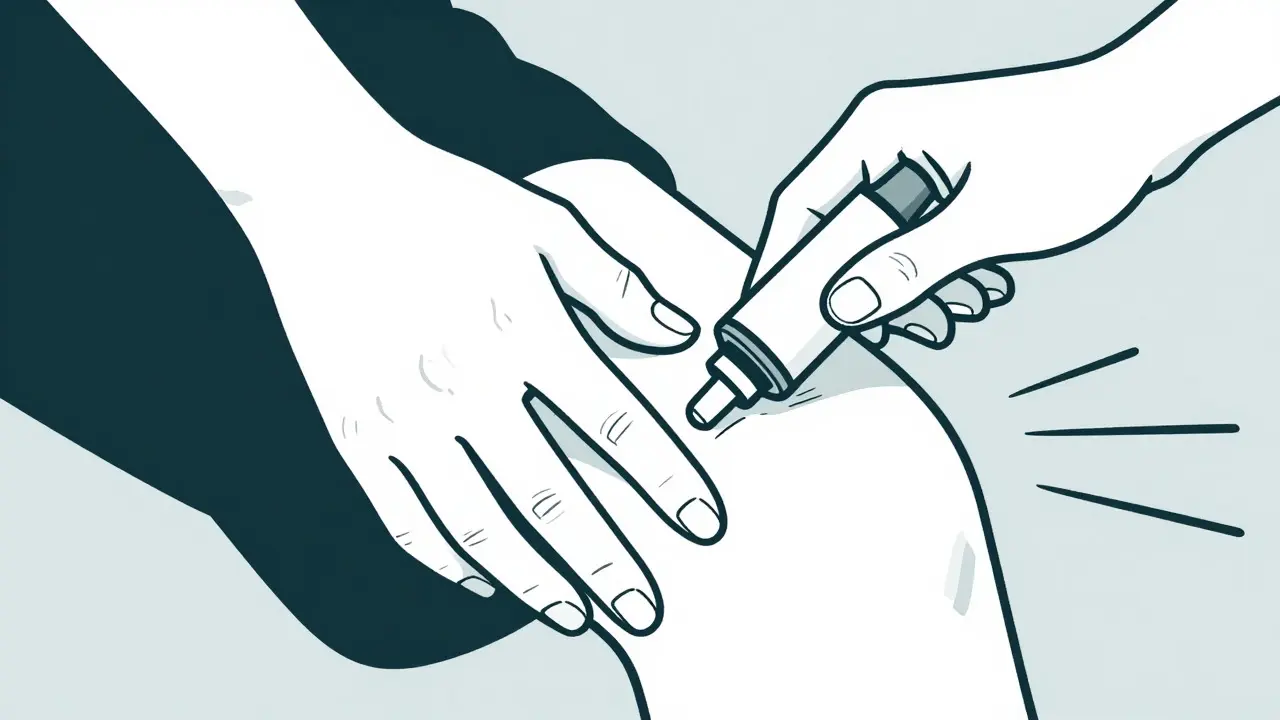
- Position the Injector: Hold the injector in your fist with the orange tip pointing down. Aim for the middle of the outer thigh (anterolateral thigh).
- Inject Firmly: Press the orange tip firmly against the thigh until you hear a click. Keep it there for 3 seconds. Some newer devices have voice prompts to guide you.
- Remove and Massage: Pull the injector out and massage the area for 10 seconds to help absorption.
- Call Emergency Services: Do this immediately, even if symptoms seem to improve.
Common mistakes include injecting into the buttock (slower absorption) or holding the device for less than the required time. Practice with a training device monthly. Studies show that nearly 70% of users demonstrate incorrect technique during simulated emergencies, so regular practice isn't optional-it's essential.
| Method | Time to Peak Effect | Best For | Risks |
|---|---|---|---|
| Intramuscular (Auto-injector) | 8 minutes | First responders, home, school | Muscle soreness, bruising |
| Subcutaneous (Old method) | 20+ minutes | No longer recommended | Slow absorption, ineffective in shock |
| Intravenous (Hospital) | Immediate | Hospital settings, cardiac arrest | Requires IV access, high skill needed |
Recognizing Triggers and High-Risk Groups
Not everyone is equally at risk, but anyone can experience anaphylaxis. However, certain groups face higher odds. Children with food allergies, particularly to peanuts and tree nuts, are a major concern. Peanut allergy rates in US children tripled between 1997 and 2008, reaching about 1.4% of kids. Insect stings, specifically from bees and wasps (Hymenoptera venom), account for nearly 10% of anaphylaxis cases seen in emergency rooms.
Medications are another big culprit. Penicillin causes about 75% of drug-induced anaphylaxis. If you have a history of reacting to antibiotics, make sure every doctor knows. Latex is also a common trigger, especially for healthcare workers and people with frequent catheterization.
Who needs to be extra cautious?
- People with Asthma: Poorly controlled asthma increases the risk of fatal anaphylaxis.
- Cardiovascular Disease Patients: Existing heart issues make it harder for the body to compensate for blood pressure drops.
- Those on Beta-Blockers: These heart medications can block the effects of epinephrine, making treatment trickier.
After the Injection: What Happens Next?
Injecting epinephrine is not the end of the story. It is the beginning of stabilization. After using the auto-injector, call emergency services immediately. Even if your child stops wheezing and looks better, they need hospital observation. Why? Because of the risk of a biphasic reaction-a second wave of symptoms that can hit 1 to 72 hours later.
Hospitals typically observe high-risk patients for at least 12 hours. During this time, doctors may give additional doses of epinephrine if symptoms return. They will also monitor your heart rate and blood pressure closely. Don't skip this step. Going home too early is a dangerous gamble.
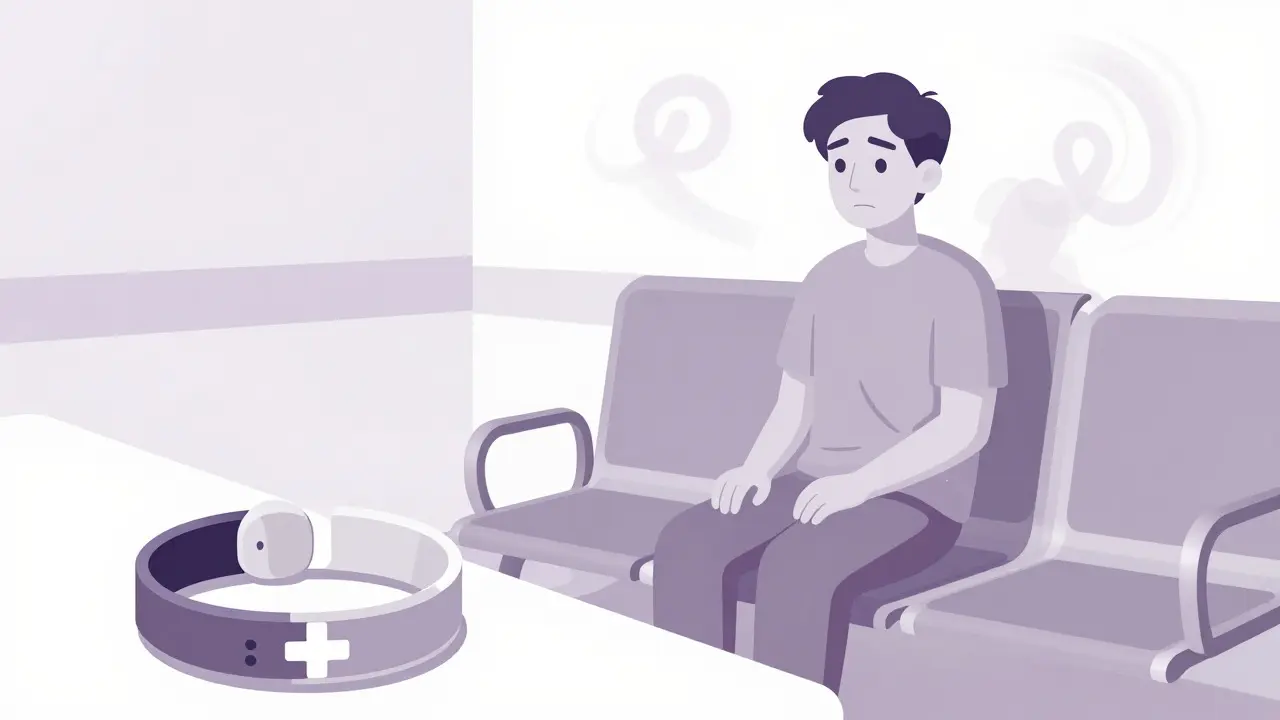
Once you are discharged, you must get a written action plan. Only about 37% of patients receive one, which is a gap we need to close. This plan should detail exactly what to do if it happens again, who to call, and how to use the new auto-injectors you will be prescribed. Update your ID bracelet or medical alert necklace to say "Carries Epinephrine" and "Allergy: [Specific Trigger]."
Cost, Access, and Practical Tips
One barrier to preparedness is cost. A two-pack of brand-name auto-injectors can cost hundreds of dollars out-of-pocket. However, generic versions are now widely available and cover about 70% of prescriptions in the US, bringing average out-of-pocket costs down significantly. Check with your pharmacy about generic options or patient assistance programs.
Storage matters too. Keep your auto-injector at room temperature (68-77°F / 20-25°C). Extreme heat or cold can degrade the medication. Check the expiration date regularly. Many pharmacies offer reminder apps or labels to help you track this. Also, keep a spare in your car, workplace, or school bag if your child is at risk.
Education is your best defense. Teach family members, teachers, and coaches how to recognize anaphylaxis and use the injector. In schools, 92% now stock epinephrine, but staff still need training. A quick 20-minute session with a trainer can make the difference between hesitation and action.
Frequently Asked Questions
Can I use antihistamines instead of epinephrine for anaphylaxis?
No. Antihistamines only treat surface symptoms like itching and hives. They do not fix airway constriction or low blood pressure. Epinephrine is the only medication that reverses the life-threatening aspects of anaphylaxis. Use epinephrine first, then consider antihistamines as a secondary measure under medical guidance.
Where should I inject the epinephrine auto-injector?
Inject into the outer middle part of the thigh (anterolateral thigh). You can inject through clothing if necessary. Avoid the buttocks, arms, and belly, as absorption is slower there. Hold the injector in place for 3 seconds to ensure full delivery.
How long does epinephrine last, and when can I repeat the dose?
The effects of epinephrine wear off in about 10 to 15 minutes. If symptoms persist or worsen after 5 minutes, you can give a second dose. Always call emergency services before or immediately after giving the first dose. Multiple doses may be needed in severe cases.
Do I need to go to the hospital even if I feel better after the injection?
Yes. You must seek medical evaluation after any episode of anaphylaxis. There is a risk of a biphasic reaction, where symptoms return hours later. Hospitals will monitor you for at least several hours, often 12 for high-risk patients, to ensure stability.
Are generic epinephrine auto-injectors as effective as brand-name ones?
Yes. Generic epinephrine auto-injectors are FDA-approved and bioequivalent to brand-name products like EpiPen. They deliver the same dose and work just as effectively. They are often significantly cheaper, making them a practical choice for many families. Always follow the specific instructions for your device model.