Gut Health Symptom Checker: AAD vs. C. diff
1. Risk Factors
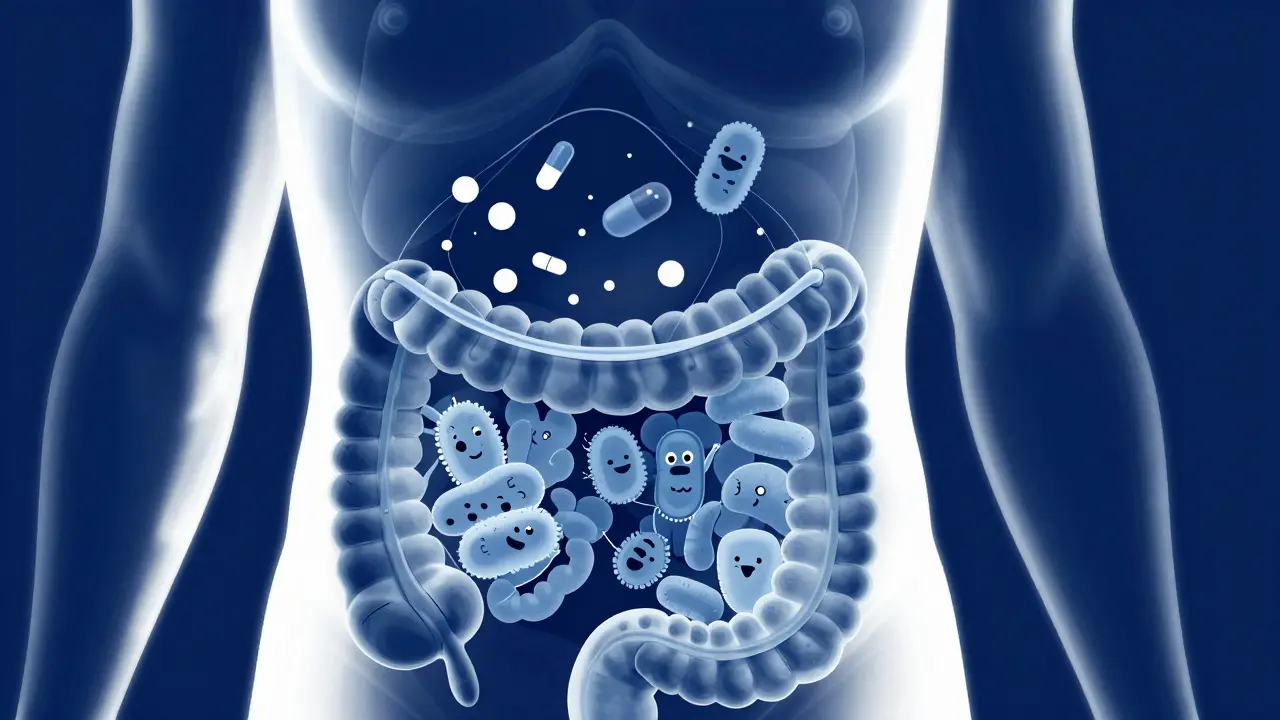
If you're currently taking antibiotics or recovering from a course, knowing the difference between a temporary stomach upset and a dangerous infection can save you from weeks of misery. This guide explains how to spot the warning signs, how doctors treat the infection, and what you can do to protect your gut health.
The Difference Between AAD and C. Diff
Not every bout of diarrhea after a prescription is a C. diff infection. Most cases fall under the umbrella of antibiotic-associated diarrhea (AAD), which is generally a result of your gut flora being out of balance. However, about 15% to 25% of these cases are actually caused by Clostridioides difficile infection (CDI). Unlike standard AAD, CDI occurs when C. diff bacteria colonize the colon and release toxins that damage the intestinal lining.
C. diff is particularly stubborn because it forms spores-essentially hard shells that protect the bacteria from heat, alcohol, and many common cleaners. This is why the infection is so common in hospitals and nursing homes; the spores linger on surfaces long after a patient has left the room. If you've spent more than 72 hours in a healthcare facility or are over 65, your risk increases significantly.
High-Risk Antibiotics to Watch
Some antibiotics are more likely to trigger these issues than others. While any broad-spectrum drug can disrupt your microbiome, certain classes are notorious for increasing CDI risk. If you are prescribed these, be extra vigilant about your digestive health:
- Fluoroquinolones: Often used for respiratory or urinary tract infections.
- Cephalosporins: Specifically the third and fourth generation types.
- Clindamycin: Frequently used for skin or bone infections.
- Carbapenems: Powerful, broad-spectrum drugs usually reserved for severe infections.
The danger here is a trade-off. These drugs are excellent at killing pathogens, but they also clear the "territory" in your gut, leaving no one to fight off C. diff if it enters your system.
Spotting the Warning Signs
Standard antibiotic diarrhea usually starts shortly after the first few doses and is often mild. C. diff is different. It can appear while you're still on the medication, but it often strikes several days or even weeks after you've finished your course. Watch for these specific red flags:
- Watery diarrhea that occurs multiple times a day.
- Severe abdominal cramping and tenderness.
- Fever and nausea.
- Blood or mucus in the stool.
- A distinct, strong, unpleasant odor (often described as "sweet" or "rotting").
One critical warning: do not take anti-diarrheal medications like loperamide if you suspect C. diff. While they might stop the trips to the bathroom, they trap the toxins inside your colon, which can lead to a dangerous condition called toxic megacolon.
| Feature | Standard AAD | C. Diff Infection (CDI) |
|---|---|---|
| Onset | Usually during antibiotic use | During or weeks after treatment |
| Severity | Mild to moderate | Can be severe or fulminant |
| Key Symptoms | Loose stools | Fever, intense pain, watery diarrhea |
| Primary Cause | Microbiome imbalance | Bacterial toxins (Toxin A & B) |
| Risk of Recurrence | Low (resolves after drugs stop) | High (often returns) |

How C. Diff is Diagnosed and Treated
Diagnosing C. diff isn't always straightforward. There isn't one single "perfect" test. Usually, doctors use a multi-step approach. They might start with a Glutamate Dehydrogenase (GDH) screen to see if the bacteria are present, followed by a toxin enzyme immunoassay (EIA) or a nucleic acid amplification test (NAAT) to see if the bacteria are actually producing the toxins that make you sick.
Treatment depends on how severe your case is. For most people, the first line of defense is a specific antibiotic that targets C. diff without destroying the rest of the gut. Vancomycin is the gold standard here, usually taken orally. Another highly effective option is Fidaxomicin, which has been shown to reduce the chance of the infection coming back, though it is significantly more expensive.
In severe cases-where white blood cell counts are sky-high or kidney function drops-doctors may combine high-dose oral vancomycin with intravenous Metronidazole. While metronidazole used to be the first choice, it's now mostly a backup because C. diff has become increasingly resistant to it.
Dealing with Recurrences: Beyond Antibiotics
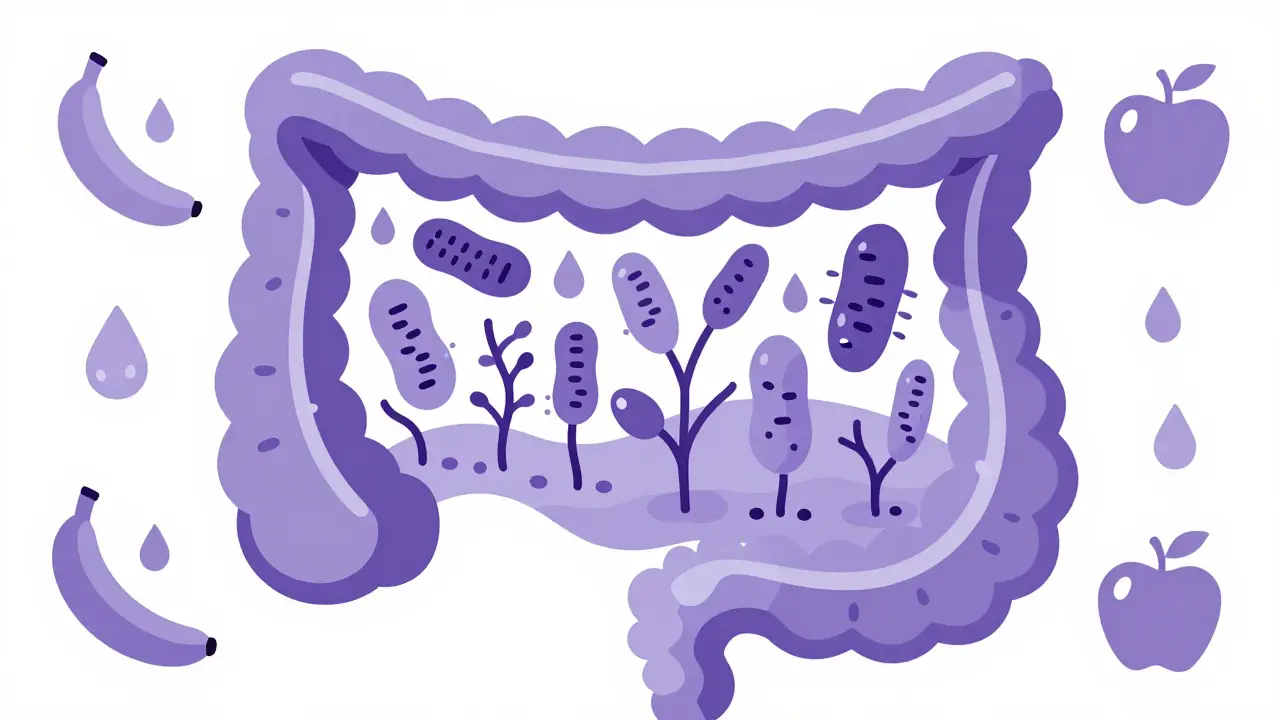
The most frustrating part of C. diff is that it often returns. Because the spores can hide in the gut or the environment, a second or third infection is common. If antibiotics aren't working, the medical community has turned to a more biological approach: restoring the microbiome.
Fecal Microbiota Transplantation (FMT) is a process where healthy donor stool is transferred into the patient's colon. It sounds unpleasant, but it's incredibly effective, with success rates between 85% and 90% for recurrent cases. Essentially, you're "replanting" a healthy forest of bacteria to crowd out the C. diff.
For those who can't undergo a full FMT procedure, the FDA has recently approved microbiome-based capsules like Rebyota and Vowst. These provide a standardized way to introduce beneficial spores and bacteria back into the system to prevent another relapse.
Prevention and Long-Term Care
The best way to avoid C. diff is through antibiotic stewardship. This is a fancy way of saying: only take antibiotics when they are absolutely necessary. Using a powerful antibiotic for a viral cold, for example, does nothing for the virus but puts you at risk for CDI.
If you are caring for someone with C. diff, remember that hand sanitizer doesn't work. Alcohol-based gels cannot kill C. diff spores. You must wash your hands with soap and water to physically rinse the spores away. In a home or hospital setting, use bleach-based cleaners or EPA-registered sporicidal agents to disinfect surfaces.
As for probiotics, the evidence is a bit mixed. Some people find that strains like Saccharomyces boulardii or Lactobacillus rhamnosus GG help, but most major medical guidelines don't recommend them as a guaranteed preventative. The most reliable method remains cautious antibiotic use and strict hygiene.
Can I take probiotics while I'm taking antibiotics to prevent diarrhea?
Many people do, and some studies suggest certain strains can reduce the risk of antibiotic-associated diarrhea. However, it's not a guaranteed shield. The most important factor is whether the antibiotic you're taking is a high-risk one (like clindamycin) and your overall gut health. Always check with your doctor before adding a high-dose probiotic to your regimen during treatment.
How long does it take to recover from a C. diff infection?
Recovery varies. Many patients see a significant improvement within 3 to 7 days of starting the correct antibiotic like vancomycin. However, the "after-effects" can linger. It's common to experience fatigue, "brain fog," and digestive sensitivity for several weeks after the diarrhea has stopped as your microbiome slowly rebuilds.
Is C. diff contagious to other family members?
Yes, it is transmitted via the fecal-oral route. Because C. diff spores can survive for months on doorknobs, toilet handles, and countertops, it can easily spread in a household. Strict handwashing with soap and water and using bleach-based cleaners in the bathroom are the most effective ways to stop the spread.
What should I eat while recovering from C. diff?
Focus on hydration first. Water, broth, and electrolyte drinks are essential. Many patients find a bland diet (like bananas, rice, applesauce, and toast) easier on the colon during the acute phase. Avoid heavy, greasy foods or high-fiber raw vegetables until your bowel movements stabilize, as these can irritate the damaged intestinal lining.
Why is soap and water better than hand sanitizer for C. diff?
Hand sanitizers use alcohol to kill bacteria by breaking down their cell walls. C. diff spores, however, have a thick, dormant outer shell that alcohol cannot penetrate. Soap and water don't necessarily "kill" the spore, but they physically lift it off your skin and wash it down the drain, which is the only reliable way to remove them.
Next Steps for Recovery
If you've just finished treatment for C. diff, your journey isn't over just because the diarrhea stopped. Your gut is currently a "blank slate," which means you need to be careful about what you introduce to it.
- Gradual Reintroduction: Don't jump straight back into spicy or high-fat foods. Introduce new foods one at a time to see how your stomach reacts.
- Hydration Priority: Even after the infection clears, your colon may struggle to absorb water. Keep your fluid intake high.
- Monitor for Relapse: Keep a log of your bowel movements for a few weeks. If you notice a return of watery stools or cramping, contact your doctor immediately-early treatment of a recurrence is much easier than treating a full-blown second infection.
- Discuss Microbiome Support: If you have a history of recurrences, ask your doctor about the latest FDA-approved microbiome therapies or the possibility of FMT.

- rupa das
- April 14, 2026 AT 03:49
probiotics are mostly useless honestly

- Scott Lofquist
- April 15, 2026 AT 15:22
Actually, if you had any real medical knowledge you'd know that the efficacy of Vowst is highly debated in certain clinical circles 🙄 Just because the FDA says it's okay doesn't mean it's the gold standard 🤡 Read a real peer-reviewed journal for once! 📚

- Brooke Mowat
- April 15, 2026 AT 22:43
My gut is like a wild garden and some times the weeds just take over in a cosmic dance of chaos lol. It's all about that vibey balance in the tummy area and just trusting the flow of the unverse even when things get messy!! 🌟

- Mary Johnson
- April 17, 2026 AT 19:33
Don't trust the "approved" capsules. They just want to control your microbiome with synthetic strains so they can keep you dependent on the pharma system. It is a total power grab for your internal biology and we are just lab rats in this giant experiment.

- Billy Wood
- April 18, 2026 AT 08:32
SENSATIONAL GUIDE!!! KEEP FIGHTING!!! YOU GOT THIS!!!

- Rim Linda
- April 19, 2026 AT 00:43
OMG the part about the smell is literally so triggering because I remember that exact scent and I actually can't even 😭 it was a nightmare!

- Tabatha Pugh
- April 20, 2026 AT 06:30
The mention of Metronidazole is slightly outdated because the resistance rates in certain urban hospital settings have surpassed the percentages implied here, making it almost entirely obsolete for anything other than fulminant cases combined with high-dose vancomycin.

- Princess Busaco
- April 20, 2026 AT 19:43
It is simply laughable that people still believe in basic soap and water as a primary defense when the spiritual alignment of the gut is what actually dictates the susceptibility to such toxins. I have spent decades studying the ethereal connection between the colon and the third eye and frankly, this clinical approach is so reductive that it ignores the holistic vibration of the patient which is the only thing that truly matters in a healing crisis like C. diff where the ego must be purged along with the bacteria.

- Shaylia Helland
- April 21, 2026 AT 08:22
i remember staying in a clinic a few years back and seeing the staff be so meticulous with the bleach wipes it really makes you realize how fragile our internal ecosystems are when everything is just stripped away and you're left trying to rebuild your life one bland meal at a time while just hoping the symptoms dont come back to haunt you again

- Clint Humphreys
- April 21, 2026 AT 19:30
It is quite interesting how the timing of these "approved" microbiome therapies coincides with the increase in gut-brain axis research which is clearly a front for some deeper neurological mapping project funded by global interests who want to monitor our mood through our stomach flora, though I say this with all the friendliness in the world because I truly want you all to be aware of the invisible threads pulling at our health from the shadows of the medical industrial complex while we just blindly take pills.
Comments (10)