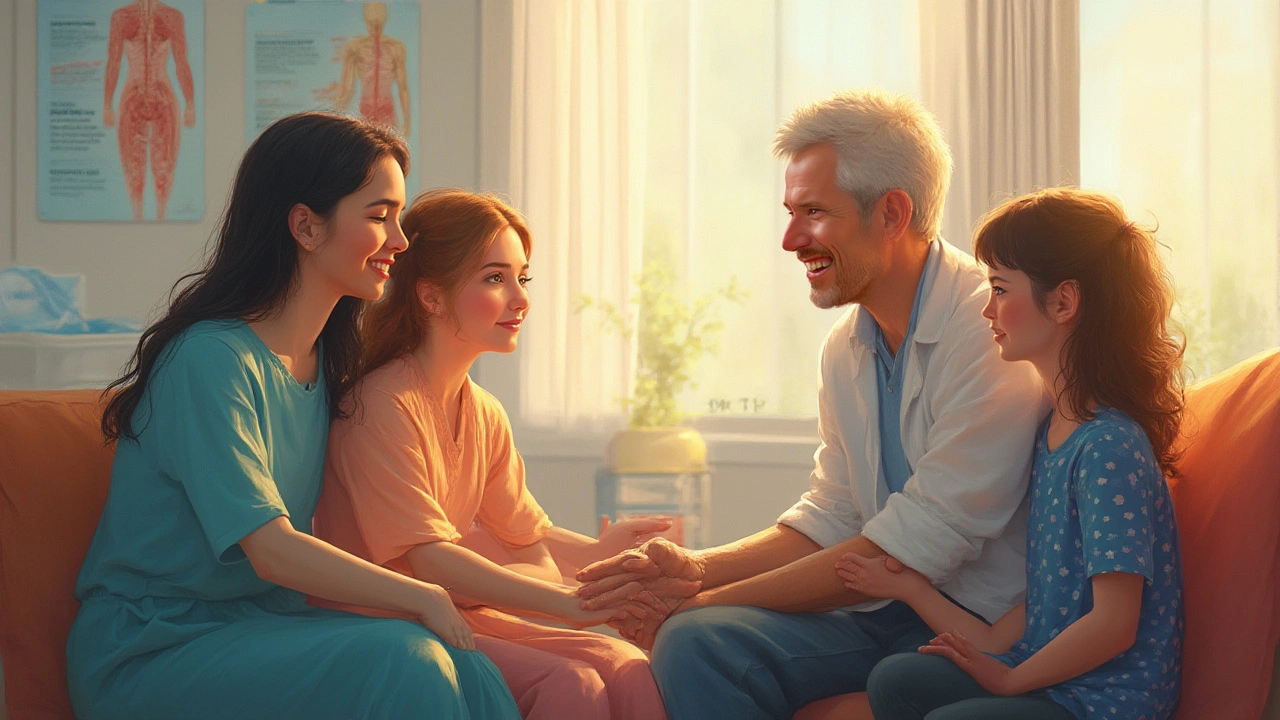
If someone told you that more than 700,000 people around the world were living with one particular type of cancer—one that could show up anywhere from your skin to your bones, gut, or brain—would you believe it? That’s the reality with cell lymphoma, a group of cancers that sounds mysterious but affects countless families each year. When someone in your life is diagnosed, or even if it’s you, the chaos of fear and confusion kicks in fast. It’s tough to know where to begin, who to trust, or what even happens next.
Understanding Cell Lymphoma: Facts, Symptoms, and Causes
So, what is cell lymphoma, exactly? It’s actually a blanket term covering dozens of cancers of the lymph system—a crucial part of your body’s immune defense. Most people know about Hodgkin’s and Non-Hodgkin’s lymphoma. Non-Hodgkin’s is much more common, and within that, you’ll find all sorts of types like diffuse large B-cell lymphoma, follicular lymphoma, and a bunch of others with long, confusing names. What links them is that something goes wrong with white blood cells, especially lymphocytes, and they start growing out of control.
Cell lymphoma doesn’t show up the same way for everyone, which just throws a spanner in the works for diagnosis. Maybe you’d notice swollen lymph nodes that don’t hurt, night sweats that drench your pajamas, or you’re always feeling tired, even after sleeping a full night. Some people get itchy skin, abdominal pain, or lose weight with no explanation. It’s sneaky. According to the Lymphoma Coalition’s 2024 survey, fatigue was the most common symptom, but more than half of patients said they only discovered their swollen nodes by accident, not pain.
Doctors still don’t know exactly what causes cell lymphoma. It’s not something you catch. Certain viruses (like the Epstein-Barr or HIV) and a family history can bump up your risk. If you’re over 60, your odds are higher too. Environmental factors—think benzene chemicals or too much exposure to radiation—might play a part. No single cause gets the blame. And here’s something surprising: for many, the first doctor visit happens months after symptoms start, usually because life is busy, or the signs seem trivial or vague.
Testing isn’t just about a blood sample. You’ll usually go through biopsies, imaging scans (like CTs or PET scans), and genetic tests. A Mayo Clinic report from late 2023 found that early and thorough diagnosis greatly improves survival chances, but access to these tools still isn’t equal everywhere. It’s so important to push for answers, even if health systems feel slow or complicated.
Treatment Options: What To Expect & Navigating Choices
If you’ve just heard, “You have cell lymphoma,” your mind probably raced straight to treatment. The options can feel daunting, but once you know what’s out there, you start to regain a bit of control. There’s chemotherapy, which is often the front-line tool. It’s not always the hair-losing stereotype people imagine—modern “chemo cocktails” like R-CHOP have been refined so much that side effects are often less brutal than they were ten years ago.
Then there’s immunotherapy. These are remarkable drugs that train your immune system to fight off those rogue lymphocytes. South Africa’s oncology centers started using CAR-T cell therapy trials in 2023, which involves genetically modifying your own cells to hunt down cancer. It’s not for everyone, and it can be pricey or tricky to get, but the early results are downright hopeful. According to University of Cape Town data from December 2024, remission rates jumped 20% in certain aggressive lymphomas with this treatment.
Radiation can also be part of the plan, especially if a tumor is causing pain in a specific spot. Some types of cell lymphoma are slow-growing and might not need immediate treatment. Doctors call this “watchful waiting”—it means regular checkups to see if anything changes, rather than jumping straight in with meds. For kids, most South African cases use tailored protocols to avoid long-term effects from chemo or radiation, keeping growing bodies in mind.
Stem cell transplants are another option, usually saved for relapses or tough-to-treat cases. This approach wipes out damaged immune cells and lets the body rebuild using healthy stem cells. Not everyone can handle this, and there are risks, but it can lead to lasting remission.
Any new treatment means fresh side effects—fatigue, mouth sores, infections, nausea, and hair changes top the list. Over time, you learn to track what works: ginger tea for nausea, light exercise for fatigue, or even meditating when anxiety gets loud. Having a “cancer playbook”—an actual notebook or phone app to track your symptoms, meds, appointments, and questions—can save your sanity.
Here’s a quick look at what current therapies involve:
| Treatment Type | Typical Use | Common Side Effects | Notes |
|---|---|---|---|
| Chemotherapy (e.g. R-CHOP) | Most lymphomas, especially aggressive types | Nausea, hair loss, low immunity | Usually in cycles over months |
| Immunotherapy (CAR-T, monoclonal antibodies) | Refractory/relapsed cases, some first-line | Infusion reactions, fatigue | Expanding access in South Africa |
| Radiation Therapy | Localized disease, symptom relief | Skin irritation, fatigue | Usually short courses |
| Stem Cell/Bone Marrow Transplant | High-risk, relapsed cases | Infection, long recovery | Needs careful patient selection |
| Watchful Waiting | Slow-growing subtypes | None | Regular monitoring only |
Living with Cell Lymphoma: Physical and Emotional Coping Tips
Here’s the hard part: treatment may be tough, but the day-to-day stuff can feel even harder. You suddenly find yourself juggling endless appointments, side effects, childcare, bills, and work on top of fighting cancer. Trying to “stay positive” isn’t always realistic, and it’s perfectly normal to spiral—sometimes every hour. Trust me, I get it. When my friend’s son, also named Kieran, went through chemo last spring, our WhatsApp group was the real lifeline, way more than any hospital pamphlet.
If you feel overwhelmed, try breaking things down. Set one tiny goal each day—taking a short walk in the sun, having coffee with a friend, or even just changing out of pajamas. It sounds silly, but little wins add up. Try to keep food simple and proteins high; yogurt, nuts, eggs, and roast chicken go down easier for many people than big, fancy meals. Stay hydrated—always, even when you aren’t thirsty.
Fatigue is a beast. If you need to nap, do it, and ditch the guilt. Family and friends will want to help. Be direct—say, “Can you fetch my meds from the pharmacy today?” or “Please bring lunch.” People truly want to support but often don’t know how. If work pressures are huge, ask HR for flexible hours or remote options; South African labor laws protect your right to fair sick leave.
Skin care is a biggie during chemo. Use gentle, fragrance-free stuff. Always, always wear sunblock—chemo and radiation make skin sun-sensitive. Keep mouth sores at bay with soft toothbrushes and avoid spicy, acidic foods. If nausea is your main battle, eat small meals often, sniff fresh lemon or ginger, and ask about prescription meds if ginger tea isn’t enough. Prioritize movement but don’t overdo it. Even stretching or a five-minute walk is better than nothing—it reduces blood clot risk and boosts mood.
Mental health matters just as much as physical. It’s not weak to cry, scream, or vent. Seek counseling—online or in person—or join support groups. The South African Lymphoma Group runs regular Zoom meetups. Apps like Calm or Headspace can help calm a racing mind at 2 a.m. Journaling free-form thoughts, swearing included, can sometimes be more helpful than you’d think. Watch silly shows, read comfort books, knit, garden, or do whatever distracts—even for five minutes. It’s not self-indulgence; it’s healing.
Finding Support for Patients and Families: Resources and Advice
If you’re a loved one standing on the sidelines, your support makes a massive difference. Just being there—quietly if need be—is golden. But don’t say "Let me know if you need anything." Instead, show up with groceries, take their car for a service, or run errands without being asked. Text, even if they don’t respond. Cancer can make you deeply lonely, and knowing someone hasn’t forgotten you means a lot, even if you can’t reply right away.
Online resources have mushroomed since COVID. Sites like Lymphoma South Africa and the Cancer Association of South Africa (CANSA) offer up-to-date local info, WhatsApp support lines, caregiver guides, and lists of financial help. Private Facebook groups are often more real than the glossy pamphlets—raw, honest, and nonjudgmental. There’s also growing access to palliative care, which isn’t only for the final stage of life—it’s about comfort and quality from day one.
Financial stress is real. South Africa’s public sector oncology waitlists can be long, and private care gets expensive quickly. Speak to your doctor openly about costs—ask about generic meds, financial aid, or switching locations for faster treatment. Medical aid (insurance) policies are complex, so connect with a broker or social worker if you’re not sure what’s covered. Some charities will step in to help with childcare, transport, or bills. Keep every receipt and ask for help sooner rather than later.
For families with young kids, explaining lymphoma is especially tough. I told Keiran (my youngest) that “bad cells” were causing chaos and the medicine was like a superhero attacking the bad guys. Honest, not scary, with a dash of hope. Books, cartoons, and play therapy also help—kids are smart, and hiding the truth backfires in the long run. Teachers and school counselors should be looped in, so everyone is on the same page about changes in mood, stamina, or days off.
Here’s a quick checklist for anyone facing cell lymphoma or supporting someone who is:
- Keep a symptom diary to track changes—bring it to every appointment.
- Ask for written summaries from doctors after visits.
- Double-check every prescription—mistakes happen when things are busy.
- Join at least one online support group, even if you only lurk.
- Hydrate constantly and eat small, protein-rich snacks.
- Take breaks from cancer—watch a movie, sit at the beach, doodle, whatever works.
- Rely on trusted family or friends for help with chores and errands.
- Prioritize sleep by setting a winding-down routine before bed.
- Celebrate small milestones—every clear scan, every good day, matters more than you think.
Facing cell lymphoma isn’t easy, but it’s not something you have to do alone. The chaos, the appointments, the uncertainty—every step is easier with honest information, good support, and a little stubborn hope. If you’re in the thick of it right now, or loving someone who is, know that there’s a huge community rooting for you. And that one day, that bit of relief—however brief—will remind you that you’re more than just the disease.


Comments (18)