The ANDA Prioritization Pilot Program
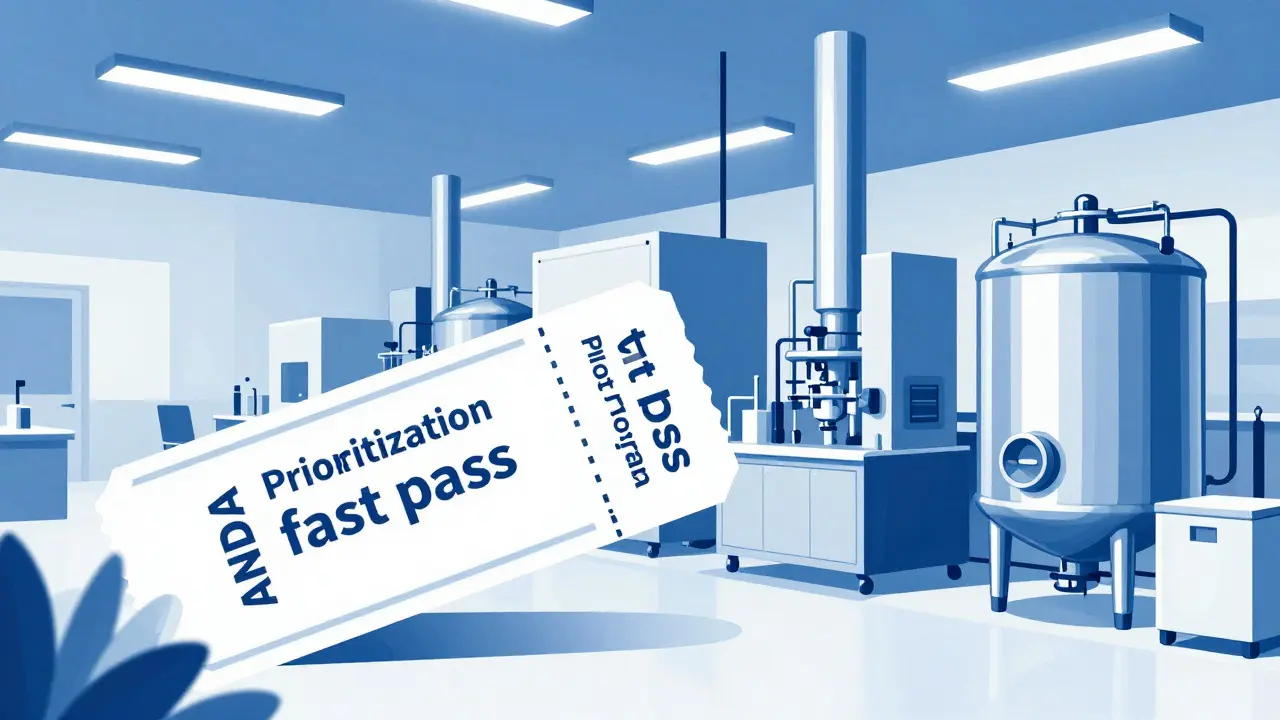
On October 3, 2025, the FDA launched a game-changer: the ANDA Prioritization Pilot Program. In short, the government is offering a "fast pass" for companies that keep their production inside the United States. Why? Because the stats are pretty alarming. As of 2025, only 9% of active pharmaceutical ingredients (APIs) are made in the U.S., while India and China handle 44% and 22%, respectively. When a foreign factory shuts down or a trade route closes, American patients lose access to essential meds. This program, governed by MAPP 5240.3, isn't just a suggestion; it's a tiered incentive system. If a company handles 100% of its manufacturing and testing in the U.S. (Tier 1), they can see their review cycle drop from the usual 15 months down to just 8 months. For those in the pilot, the FDA is responding to initial submissions in 30 days, compared to the usual 60 to 90-day wait. It's a clear message: make it here, and we'll help you get it to patients faster.First Generic Approvals: Breaking the Monopoly
While the pilot program focuses on *where* drugs are made, the FDA has also doubled down on *which* drugs get approved. The goal is to increase the number of "first generics"-the very first generic version of a brand-name drug to hit the market. These are the most important approvals because they trigger the biggest price drops. For example, through mid-2025, we saw approvals for Ivermectin Tablet, Nimodipine Solution, and the Azilsartan Medoxomil and Chlorthalidone combination. Data from GoodRx shows that these first generic and biosimilar approvals are pacing about 18.7% ahead of 2024 levels. The impact on your wallet is real; typically, once a first generic enters the market, prices drop by an average of 78.3% within six months. It's a brutal blow to brand-name monopolies but a huge win for healthcare affordability.Comparing the Old Way vs. The Pilot Program
If you're trying to decide if the domestic shift is worth the cost, the numbers tell a compelling story. Transitioning to U.S. manufacturing is expensive-a medium-scale facility can cost between $120 million and $180 million. However, the regulatory rewards are significant.| Metric | Standard ANDA Pathway | ANDA Prioritization Pilot |
|---|---|---|
| Average Review Time | 12-15 Months | 8-11.2 Months |
| Initial Review Window | 60-90 Days | 30 Days |
| First-Cycle Approval Rate | ~68% (for foreign mfg) | 92% (for fully domestic) |
| Major Deficiency Letters | Baseline | 41% Reduction |
The Cost of Going Domestic
It sounds great to have faster approvals, but it isn't free. Industry analysts estimate that the specific documentation and validation required for domestic facilities add about $1.2 to $1.8 million per application. Smaller companies are feeling the pinch the most. While mid-sized firms (50-500 employees) have jumped into the pilot at a 63% rate, only 28% of small companies have done the same. There's also the struggle of finding raw materials. Many manufacturers have reported a nightmare trying to source domestic Active Pharmaceutical Ingredients (API) for complex molecules. When you're dealing with a rare chemical, you can't just find a local supplier overnight. This is why the FDA is now focusing on the Drug Shortage List, which held 147 critical medications as of September 2025, ensuring that the most needed drugs get the most priority.Real-World Impact and Expert Takeaways
Does this speed-up compromise safety? Harvard Medical School professor Dr. Aaron Kesselheim published research in JAMA Internal Medicine showing that generics approved through the pilot maintained equivalent therapeutic outcomes compared to the old way. Basically, the drugs work just as well; the paperwork just moves faster. However, not everyone is cheering. Some experts worry about "fragmenting" the global system. If the U.S. pushes too hard for domestic-only production, it could actually raise prices in the short term. The Medicare Payment Advisory Commission (MedPAC) estimated that these requirements could bump generic costs by 12-18% initially before things stabilize. It's a trade-off: do we want the absolute lowest price today, or a guaranteed supply chain that doesn't break during the next global crisis?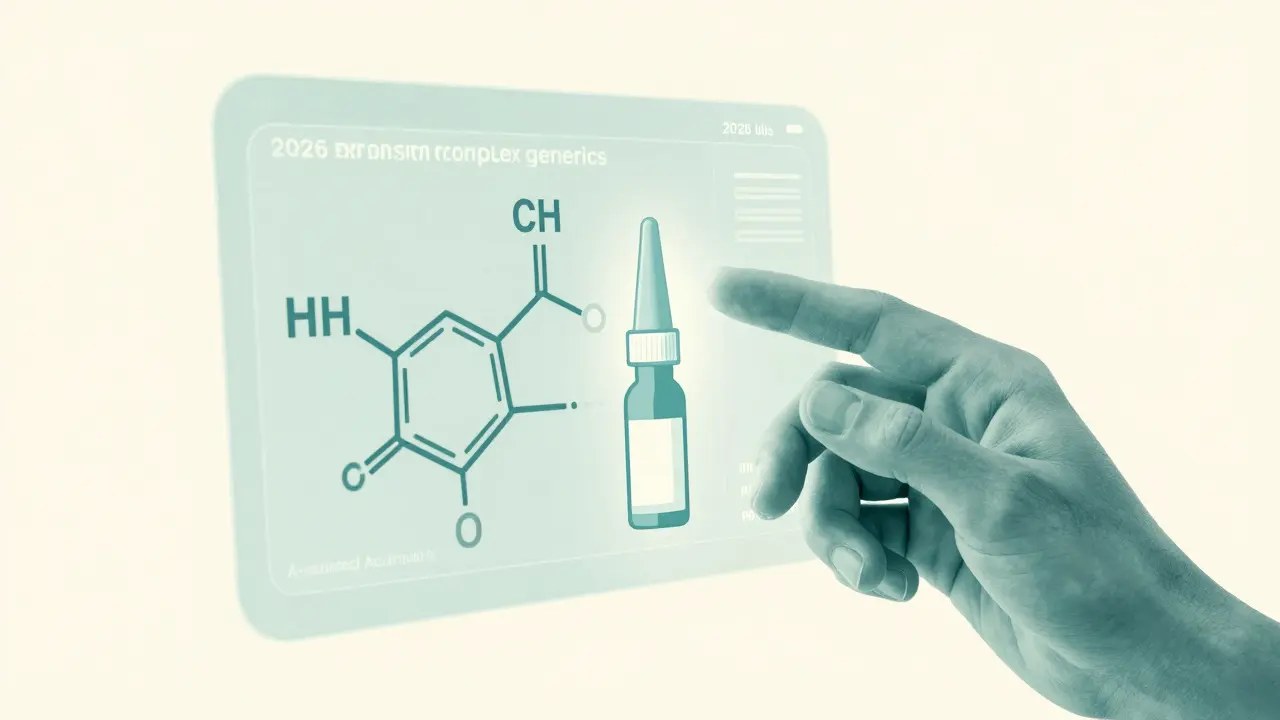
What's Next for 2026 and Beyond?
We are entering a new phase. Starting in January 2026, the FDA is expanding the pilot to include complex generics. This includes tricky formulations like nasal sprays, ophthalmic suspensions, and transdermal patches. These have always been harder to approve because they aren't just a pill-they're a delivery system. Beyond that, the FDA is bringing in AI-assisted review protocols. The goal is to shave another 25% off those review times. If these trends hold, the FDA expects U.S. API manufacturing to jump from 9% to 23% by 2028. We're seeing a fundamental shift from "cheapest possible source" to "most reliable source."What is the ANDA Prioritization Pilot Program?
It is an FDA initiative that provides expedited review timelines (down to 8 months) for generic drug manufacturers who conduct their testing and manufacturing within the United States, aiming to reduce reliance on foreign pharmaceutical production.
How does the pilot program affect drug prices?
In the short term, MedPAC suggests prices could increase by 12-18% due to the high cost of setting up domestic plants. However, the focus on "first generics" usually leads to massive price drops (around 78%) once the first generic version of a brand drug is approved.
Are domestic generics as safe as foreign ones?
Yes. Research published in JAMA Internal Medicine confirms that drugs approved under the accelerated pilot program maintain equivalent therapeutic outcomes and efficacy compared to those approved through traditional pathways.
Which drugs are being prioritized right now?
The FDA is prioritizing medications on the official Drug Shortage List (which had 147 meds as of late 2025) and essential medicines identified by the Department of Health and Human Services (HHS).
When will complex generics be included in the pilot?
The expansion to complex generics, including nasal sprays and transdermal patches, is scheduled to begin in January 2026.