Food-Medication Interaction Checker
Have you ever taken a pill with lunch and felt nothing? Or maybe you took your morning medicine on an empty stomach and ended up with nausea? You aren't imagining it. Food isn't just background noise to your medication routine; it is an active player that can change how drugs work in your body. Sometimes food helps. Often, it hinders. In the worst cases, mixing certain foods with medicines can trigger dangerous side effects or make your treatment useless.
This isn't just theory. According to the U.S. Food and Drug Administration (FDA) and data from the American Society of Health-System Pharmacists (ASHP), about 30% of adverse drug reactions result from food-drug interactions. That means nearly one in three bad reactions to medication has something to do with what you ate. With billions of prescriptions filled every year, understanding these basics is not optional-it's a safety requirement.
How Food Changes Your Medicine
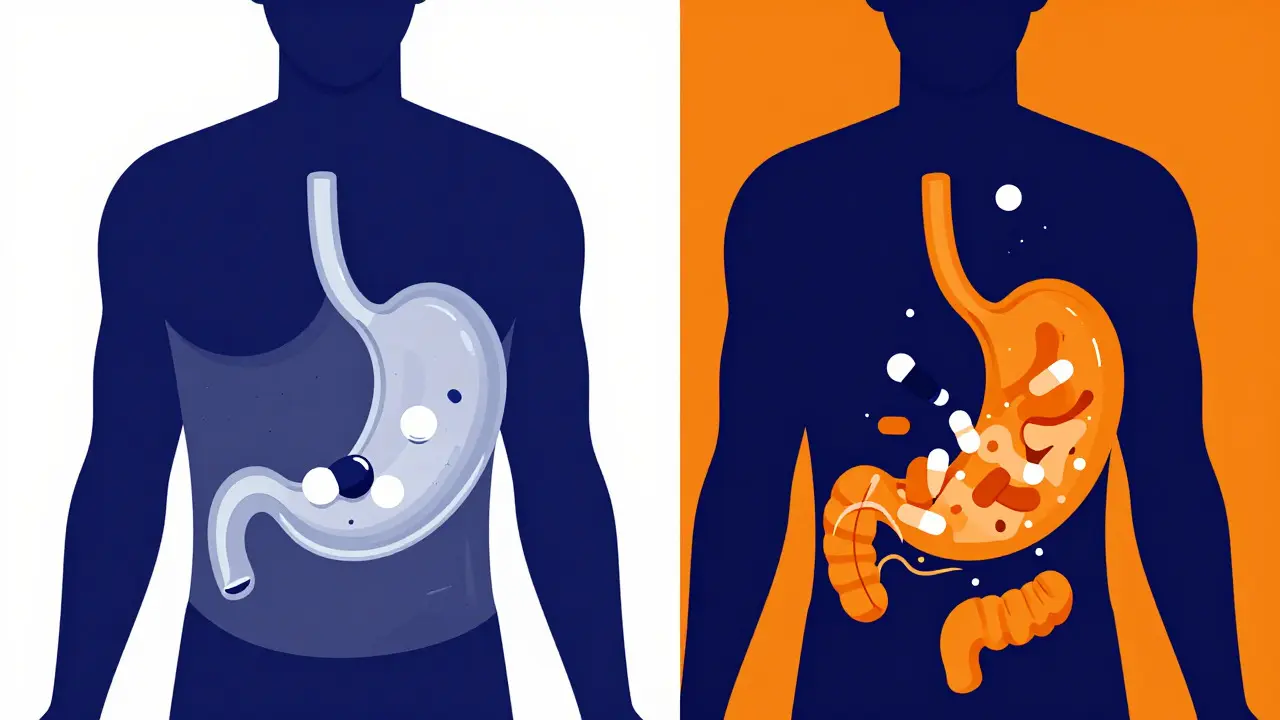
To understand why timing matters, you need to know the three ways food messes with meds. It’s not magic; it’s chemistry and biology.
- Absorption Issues: Food changes the pH level in your stomach. Some drugs, like penicillin G, are "acid-labile," meaning acid breaks them down. If you eat before taking them, your stomach produces more acid, reducing absorption by 40-60%. Conversely, some drugs like griseofulvin need fat to dissolve properly. Taking them with a high-fat meal can boost absorption by 25-35%.
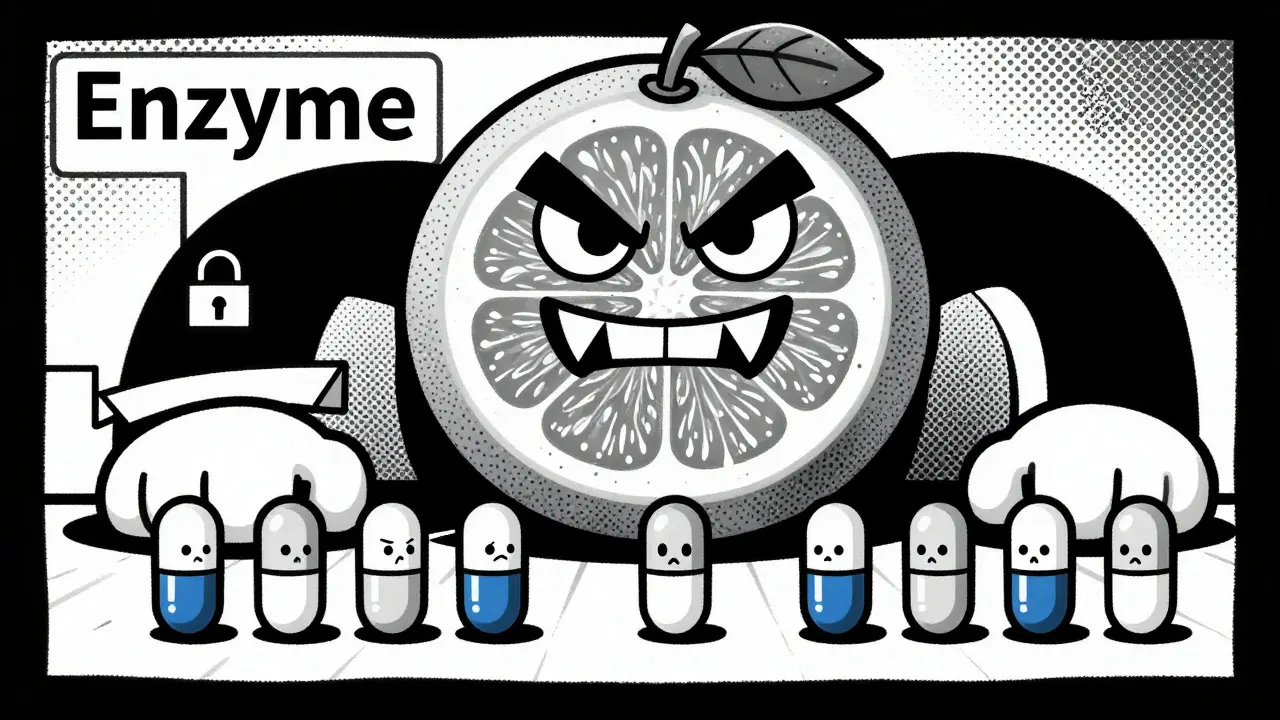
- Metabolism Blocks: Certain foods contain compounds that block the enzymes your liver uses to break down drugs. The most famous example is grapefruit juice. It inhibits CYP3A4 enzymes in your intestines. For statins like simvastatin, this can increase blood concentration by 330%, leading to severe muscle pain or liver damage.
- Direct Binding: Some nutrients physically grab onto medication molecules, preventing them from entering your bloodstream. Calcium in dairy products binds to tetracycline antibiotics. If you drink milk with your pills, you might absorb only half the dose.
The goal here is simple: maximize the benefit and minimize the risk. The American Heart Association found that managing these interactions correctly reduces hospitalizations among cardiac patients by 18.7%. That is a huge number saved by simply watching what you eat.
The Grapefruit Juice Warning
If there is one rule you remember from this article, let it be this: grapefruit juice is a major troublemaker. It is not just a mild interaction; it is a potent inhibitor of drug metabolism.
Grapefruit contains furanocoumarins, which permanently disable the CYP3A4 enzyme in your gut. This enzyme is responsible for breaking down many common medications, including statins, some blood pressure drugs, and anti-anxiety meds. When the enzyme is blocked, the drug stays in your system longer and at higher levels than intended.
| Medication Class | Example Drugs | Potential Risk |
|---|---|---|
| Statins | Simvastatin, Atorvastatin | Muscle damage, kidney failure |
| Blood Pressure Meds | Amlodipine, Felodipine | Dizziness, low blood pressure |
| Anti-Anxiety/Insomnia | Diazepam, Alprazolam | Excessive sedation, confusion |
| Immunosuppressants | Cyclosporine | Kidney toxicity |
The FDA reports that grapefruit juice interactions alone cause over 1,100 emergency department visits annually. You don’t need to avoid it forever if your doctor says it’s safe, but if you are on any of these meds, treat grapefruit like a potential poison. Orange juice is usually a safe alternative.
Warfarin and the Vitamin K Balance
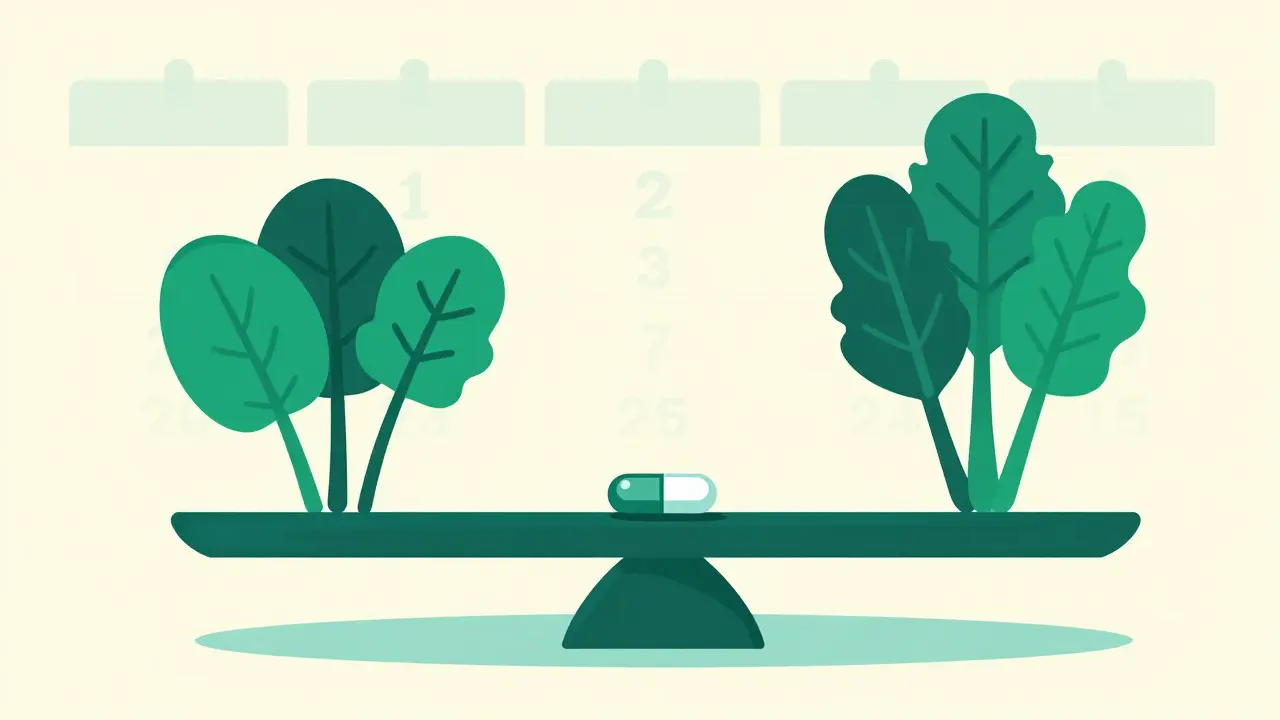
For patients on blood thinners like warfarin, food is a daily calculation. Warfarin works by blocking vitamin K, which helps blood clot. If you eat too much vitamin K suddenly, your blood clots faster, risking a stroke. If you eat too little, your blood thins too much, risking internal bleeding.
You do not need to stop eating greens. That is old advice. The new standard is consistency. Spinach, kale, and broccoli are packed with vitamin K-one cup of cooked spinach has 483 mcg. The key is to keep your daily intake within a 10-15% variation. If you eat a salad every day, keep doing it. If you rarely eat greens, don’t start eating five servings a week randomly.
Dr. Sarah Jones from Johns Hopkins Hospital notes that patients who maintain consistent vitamin K intake have 32% fewer INR fluctuations. Keep a food diary if you have to. Stability is your best friend when managing anticoagulants.
Antibiotics and Dairy: A Bad Mix
Antibiotics are another group where food plays a tricky role. Not all antibiotics react the same way, so you must check your specific prescription.
Fluoroquinolones like ciprofloxacin and tetracyclines like doxycycline hate calcium. They bind to calcium ions in dairy products, antacids, and iron supplements. This binding creates a compound your body cannot absorb. Studies show this can reduce absorption by 50% to 90%.
Here is the practical rule: Take these antibiotics at least two hours before or four hours after consuming high-calcium foods. Amoxicillin, however, is different. It shows minimal food effects and can often be taken with food to prevent stomach upset. Always read the label or ask your pharmacist because the rules vary wildly between antibiotic classes.
Stomach Protection vs. Absorption
Some medications are harsh on the stomach lining. Non-steroidal anti-inflammatory drugs (NSAIDs) like ibuprofen and naproxen are notorious for causing gastric ulcers. A Mayo Clinic study found that taking ibuprofen without food leads to ulcers in 15% of patients, compared to only 4% when taken with food.
In this case, food is your shield. Take NSAIDs with a meal or a glass of milk to buffer the acid. However, this rule doesn't apply to everything. Proton pump inhibitors (PPIs) like omeprazole work best when taken 30-60 minutes *before* a meal. Why? Because they need to be present in your stomach lining before the acid pumps turn on during digestion. Taking them after eating renders them largely ineffective.
Timing Is Everything: The Empty Stomath Rule
"Take on an empty stomach" is a phrase that confuses many patients. What does it actually mean? It means your stomach should be clear of food so the drug can pass quickly into your small intestine for absorption.
The clinical definition of an empty stomach is one hour before eating or two hours after finishing a meal. A University of Connecticut trial showed that following this strict window increased bioavailability by 22% compared to looser 30-minute intervals.
Thyroid medication like levothyroxine is the prime example here. A 2022 study in JAMA Internal Medicine found that taking levothyroxine with food reduced its efficacy by 34%. Even coffee can interfere. Take it first thing in the morning, wait at least 60 minutes, then eat breakfast.
MAO Inhibitors: The Strictest Diet
While rare today, Monoamine Oxidase (MAO) inhibitors are still used for depression and Parkinson’s disease. These drugs require the most restrictive diet of any medication class. They block the enzyme that breaks down tyramine, a substance found in aged and fermented foods.
If you take MAO inhibitors and eat high-tyramine foods, you risk a hypertensive crisis-a sudden, dangerous spike in blood pressure. Foods to avoid include:
- Aged cheeses (cheddar, blue cheese)
- Cured meats (salami, pepperoni)
- Soy sauce and fermented bean pastes
- Tap beer and red wine
Modern antidepressants like SSRIs have far fewer dietary restrictions, which is part of why they replaced MAO inhibitors as first-line treatments. But if you are on an MAOI, strict adherence to this list is life-saving.
Practical Steps for Patients
Knowing the science is good, but acting on it is better. Here is how to build a safer routine:
- Read the Leaflet: Every prescription comes with a patient information leaflet. Look for the section titled "Food and Drink." It will tell you if you need water, juice, or food.
- Use Visual Schedules: Research published in JAMA Internal Medicine shows that visual medication schedules reduce interaction errors by 47%. Use a pillbox labeled with AM/PM and meal times.
- Ask About Supplements: Herbal supplements like St. John’s Wort interact with food and drugs similarly to pharmaceuticals. Tell your doctor everything you swallow.
- Stay Consistent: Whether it’s vitamin K for warfarin or caffeine for stimulants, consistency prevents wild swings in drug levels.
The National Institute on Aging reports that 63% of elderly patients struggle with inconsistent timing relative to meals. Setting alarms or linking pill-taking to a fixed habit (like brushing teeth) can bridge this gap.
Technology and Future Safety
We are seeing new tools emerge to help manage these complex interactions. The FDA’s 2024 Medication Labeling Initiative now requires clearer warnings on labels, aiming to cut adverse events by 20% by 2026. Additionally, apps like MyMedSchedule use AI to create personalized schedules based on your diet, showing a 35% reduction in errors in recent trials.
Genetic testing is also becoming more common. New ASHP guidelines recommend testing for CYP3A4 metabolism before prescribing statins to heavy grapefruit consumers. This proactive approach could prevent hundreds of hospitalizations each year.
Can I take my medication with milk?
It depends on the drug. Milk is high in calcium, which binds to antibiotics like tetracyclines and fluoroquinolones, reducing their effectiveness by up to 90%. For these, wait 2-4 hours. However, for NSAIDs like ibuprofen, milk can help protect your stomach lining. Always check your specific medication instructions.
Does grapefruit juice affect all medications?
No, but it affects many common ones, especially statins, blood pressure meds, and some anxiety drugs. It blocks the CYP3A4 enzyme, causing drug levels to spike. If you are unsure, ask your pharmacist. Orange juice is generally a safe substitute.
What does "take on an empty stomach" mean?
Clinically, it means taking the medication one hour before eating or two hours after finishing a meal. This ensures maximum absorption for drugs like levothyroxine and certain antibiotics that are hindered by food presence.
Do I need to avoid green vegetables if I take warfarin?
No. You do not need to eliminate vitamin K-rich foods like spinach or kale. Instead, aim for consistency. Keep your daily intake within a 10-15% variation. Sudden large changes in consumption are what cause dangerous INR fluctuations.
Why should I take NSAIDs with food?
NSAIDs like ibuprofen can irritate the stomach lining and cause ulcers. Taking them with food buffers the acid and significantly reduces the risk of gastric injury. Studies show ulcer rates drop from 15% to 4% when NSAIDs are taken with meals.