
Gabapentinoid-Opioid Interaction Risk Checker
This tool helps you identify personal risk factors based on current medical guidelines regarding the combination of gabapentinoids (like gabapentin or pregabalin) and opioids. It is not a substitute for professional medical advice.
Select applicable conditions:
Enter your details and click "Calculate Risk Score" to see personalized recommendations.
You’re lying in a hospital bed after surgery. The pain is manageable, thanks to your opioid prescription. But you feel unusually drowsy, and your breathing feels shallow. This isn’t just post-op fatigue; it could be a dangerous interaction between your painkillers and the gabapentinoid (like gabapentin or pregabalin) added to your regimen to help reduce opioid use.
For years, doctors have combined these drugs to tackle chronic and acute pain more effectively. The logic was sound: if the nerve-pain medication helps, you need less of the heavy-duty opioid. But new data suggests this combo carries hidden dangers, specifically regarding how much you breathe and how awake you stay. Let’s look at why this mix can turn deadly and what you should watch for.
Why Doctors Prescribe Gabapentinoids With Opioids
To understand the risk, you first need to understand the intent. Gabapentin and pregabalin are anticonvulsants originally designed for epilepsy. They work by calming overactive nerves. When used alongside opioids like oxycodone or morphine, they create a multimodal analgesia approach. The goal is simple: lower the total dose of opioids needed to control pain, thereby reducing side effects like constipation and nausea.
This strategy became wildly popular. Between 2012 and 2017, co-prescribing rates jumped by nearly 64%. Why? Because for many patients, especially those with neuropathic pain (nerve pain), opioids alone often fail to provide complete relief. Adding a gabapentinoid fills that gap. However, while the pain relief improved, the safety profile didn't get the same scrutiny until recently.
The Science Behind Respiratory Depression
Respiratory depression means your brain forgets to tell your lungs to breathe fast enough. It’s the primary way people die from opioid overdoses. You might think adding a non-opioid drug would be safe, but the interaction here is tricky due to two main mechanisms: pharmacokinetic and pharmacodynamic.
Pharmacokinetics: The Absorption Boost
Opioids slow down your gut movement (intestinal motility). Gabapentin needs a specific window in the intestine to be absorbed properly. When opioids slow things down, gabapentin stays in that absorption zone longer. Studies show this can increase gabapentin levels in your blood by up to 44%. Higher blood levels mean stronger effects-and higher risks of side effects.
Pharmacodynamics: The Double Hit on Breathing
Opioids suppress the part of your brainstem that responds to carbon dioxide buildup. Gabapentinoids do something similar via a different pathway involving calcium channels. When you take both, you’re hitting the respiratory center from two angles. The result is an additive effect where your body becomes even less responsive to rising CO2 levels, leading to slower, shallower breaths.
Sedation: More Than Just Feeling Tired
Sedation is the most common early warning sign. While feeling sleepy after surgery is normal, excessive sedation from this combination can precede respiratory failure. If you are too sedated to wake up easily, you likely aren’t breathing adequately either.
A study published in JAMA Network Open highlighted that while the absolute risk of severe events is low in general populations, it spikes significantly in vulnerable groups. For instance, older adults or those with existing lung conditions like COPD or sleep apnea face a much steeper climb in risk. The Beers Criteria, a list of potentially inappropriate medications for older adults, explicitly recommends avoiding this combination due to these exact risks.
| Risk Factor | Impact on Safety | Mitigation Strategy |
|---|---|---|
| Age ≥ 65 | Reduced renal clearance leads to higher drug accumulation. | Start with lowest possible dose; monitor closely. |
| Renal Impairment | Gabapentin is cleared by kidneys; poor function increases toxicity. | Dose adjustment based on creatinine clearance. |
| Obstructive Sleep Apnea (OSA) | Airway collapse risk increases with muscle relaxation/sedation. | Avoid combination or use CPAP during sleep. |
| COPD | Already compromised gas exchange worsens with respiratory suppression. | Continuous pulse oximetry monitoring recommended. |
| High Opioid Dose | Additive CNS depression risk rises exponentially. | Taper opioids aggressively when adding gabapentinoid. |
Regulatory Warnings and Real-World Evidence
In December 2019, the FDA required boxed warnings-the strictest kind-on all gabapentinoid labels regarding serious breathing difficulties when combined with opioids. This wasn’t a guess. It came from analyzing thousands of case reports and observational studies.
Real-world data backs this up. A UK analysis found a 2.3-fold increased mortality risk with concurrent use. Another study noted that 70% of adverse events occurred within the first 24 hours post-surgery. Anesthesiologists report cases where standard doses caused unexpected reversals requiring naloxone. One notable case involved a 58-year-old man with mild COPD who needed emergency intervention despite receiving modest doses of both drugs.
However, it’s not all doom and gloom. Some pain specialists argue that with careful titration, the combo is safe. Dr. A. Patel reported using low-dose gabapentin with opioids in 217 patients over 18 months with only two minor incidents. The key difference? Strict patient selection and lower starting doses.
How to Manage the Risk Safely
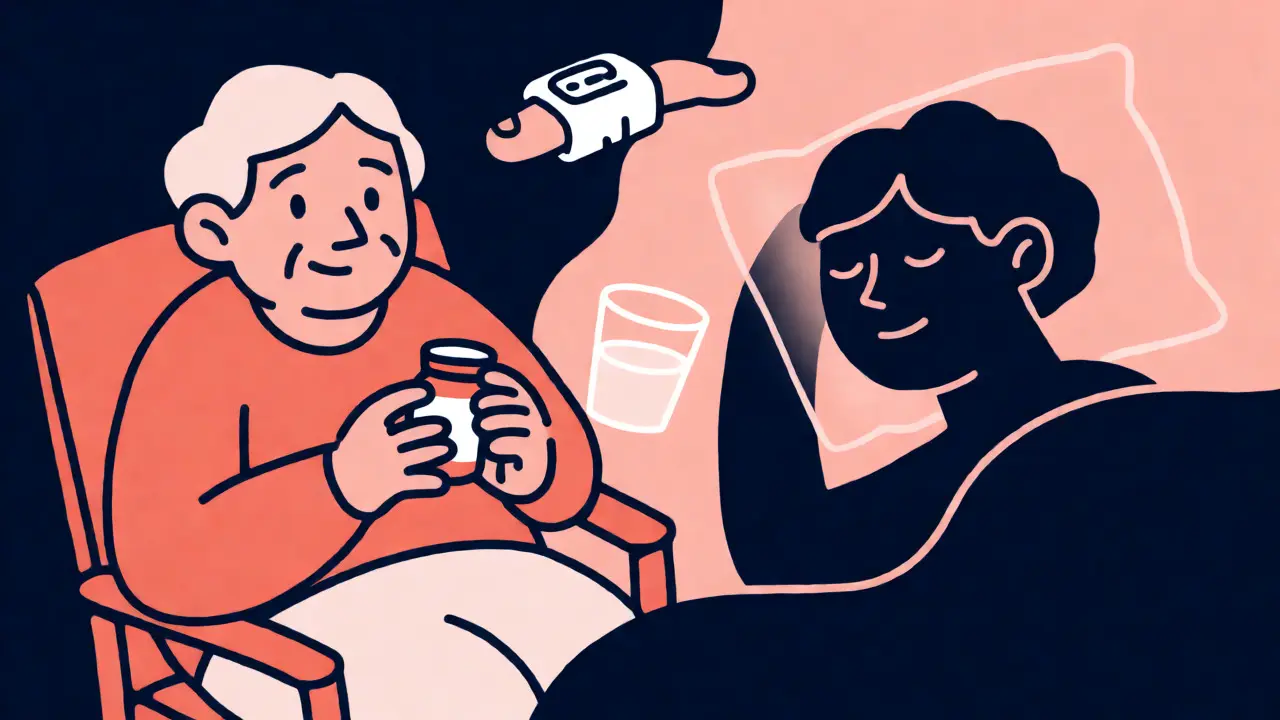
If you are prescribed both, don’t panic. But do be proactive. Here is how to navigate this therapy safely:
- Start Low, Go Slow: Current guidelines suggest initiating gabapentin at 100-300 mg daily for high-risk patients, rather than the standard 300 mg three times a day. Titrate up slowly.
- Monitor Breathing: Use home pulse oximeters if advised. Watch for oxygen saturation dropping below 92% or increased snoring/gasping during sleep.
- Avoid Alcohol: Alcohol adds another layer of central nervous system depression. Combining alcohol, opioids, and gabapentinoids is a recipe for disaster.
- Review Renal Function: Ensure your doctor checks your kidney function before prescribing. If your creatinine clearance is under 60 mL/min, your dose likely needs cutting.
- Watch for Sedation: If you find yourself falling asleep mid-conversation or struggling to stay awake during the day, alert your provider immediately. This is often a precursor to respiratory issues.
The Future of Pain Management
The medical community is shifting. NICE guidelines in the UK now recommend against routine use of gabapentinoids for low back pain with opioids. In the US, prescribers are becoming more cautious. Research is ongoing into genetic factors that might make some people more susceptible to these side effects. Until we have better predictive tools, individualized care remains the best defense.
This doesn’t mean gabapentinoids are bad drugs. They save lives and relieve suffering for millions. But treating them as harmless add-ons ignores their potent impact on your brain’s breathing controls. Respect the interaction, communicate openly with your doctor, and prioritize safety over convenience.
Is it safe to take gabapentin and opioids together?
It can be safe for many patients, but it requires caution. The combination increases the risk of respiratory depression and sedation. It is generally considered safer in younger, healthy individuals without lung or kidney issues, provided doses are carefully managed and monitored.
What are the signs of respiratory depression from this combination?
Signs include slow or shallow breathing, extreme drowsiness, difficulty waking up, confusion, blue-tinted lips or fingernails, and decreased heart rate. If you notice these symptoms, seek medical attention immediately.
Who is at highest risk for adverse effects?
Older adults (aged 65+), people with kidney disease, those with obstructive sleep apnea or COPD, and patients taking high doses of opioids are at the highest risk. These groups require lower starting doses and closer monitoring.
Can I drink alcohol while taking gabapentin and opioids?
No. Alcohol further depresses the central nervous system. Combining alcohol with gabapentinoids and opioids significantly amplifies the risk of severe sedation and life-threatening respiratory depression.
Why did the FDA issue a warning about gabapentinoids?
In 2019, the FDA mandated boxed warnings because evidence showed that gabapentinoids, especially when combined with opioids, could cause serious breathing problems. This included rare cases of death, particularly in vulnerable populations.