Imagine you're three days into a dream vacation in the Mediterranean when you realize you've misplaced your blood pressure medication or suddenly develop a nasty sinus infection. Your first instinct is to head to the ship's medical center, but here is the reality: that facility is not a CVS or a local clinic. It's an infirmary. While it can save your life in an emergency, relying on it for a routine prescription refill is a gamble you don't want to take.
The biggest mistake travelers make is assuming cruise ships operate like floating hospitals. In reality, most ships are designed for stabilization and treating common ailments, not for managing complex pharmacy needs. If you want to avoid overpriced meds or the panic of running out of a critical script mid-ocean, you need to understand how these centers actually work. Here is the straightforward guide to handling your travel medications while at sea.
The Reality of Shipboard Medical Centers
Before you step foot on the gangway, you need to shift your perspective. A Cruise Ship Medical Center is a limited-service healthcare facility staffed by licensed physicians and nurses designed to stabilize patients and treat minor conditions. They aren't there to provide comprehensive primary care.
Most ship doctors are general practitioners, not specialists. This means that while they can handle a bout of norovirus or a scraped knee, they might not have the specific expertise or the medication stock to manage a complex chronic condition. According to the American College of Emergency Physicians (ACEP), these facilities are built to handle the "most common" issues: respiratory infections, gastrointestinal bugs, and the ever-present motion sickness. If you need something highly specialized, the odds of them having it in the cabinet are slim.
What's Actually in the Ship's Pharmacy?
The inventory of a ship's pharmacy usually scales with the size of the boat. A massive vessel from Royal Caribbean will have more options than a small boutique ship, but it's still a fraction of what you'd find at a land-based pharmacy. Most ships stock a few core categories of drugs:
- Gastrointestinal: Antacids, proton pump inhibitors, and anti-diarrheals.
- Cardiovascular: Common antihypertensives and antiarrhythmics.
- Respiratory: Bronchodilators and basic cough/cold meds.
- Anti-infectives: A range of antibiotics like beta-lactams and macrolides.
- Endocrine: Basic insulin and thyroid medications.
However, there are hard limits. Narcotics are strictly controlled and usually only available in extreme emergencies. If you rely on strong pain medication, don't expect the ship's doctor to simply "write a script" for more if you run out.
| Feature | Traditional Cruise (e.g., Royal Caribbean) | Residential Cruise (e.g., Storylines) |
|---|---|---|
| Primary Goal | Emergency stabilization & minor ailments | Long-term health management |
| Pharmacy Scope | Limited professional medical services | Comprehensive with compounding capabilities |
| Prescription Lead Time | None (as needed) | 6-12 months before departure |
| Specialty Meds | Rarely stocked | Overstocked for prevention |
The Sticker Shock: What Prescriptions Cost at Sea
If you do end up needing a prescription from the ship's doctor, be prepared for the price tag. You aren't paying for the drug itself as much as you are paying for the convenience and the overhead of maritime logistics. Many passengers report markups of 200% to 300% compared to U.S. retail prices.
For example, a common antibiotic that might cost you $10 at a local pharmacy could easily run you $35 or more on a ship. While some basic seasickness pills are often complimentary, anything that requires a doctor's visit and a formal prescription will come with a significant cost. Keep in mind that most cruise line medical insurance doesn't cover the actual cost of the medication; it covers the visit and the treatment.

How to Prepare So You Never Need the Ship's Pharmacy
The best way to navigate the medical center is to avoid it entirely. The goal is to be self-sufficient. If you follow these steps, you'll likely be in the 78% of passengers who report zero medication issues during their trip.
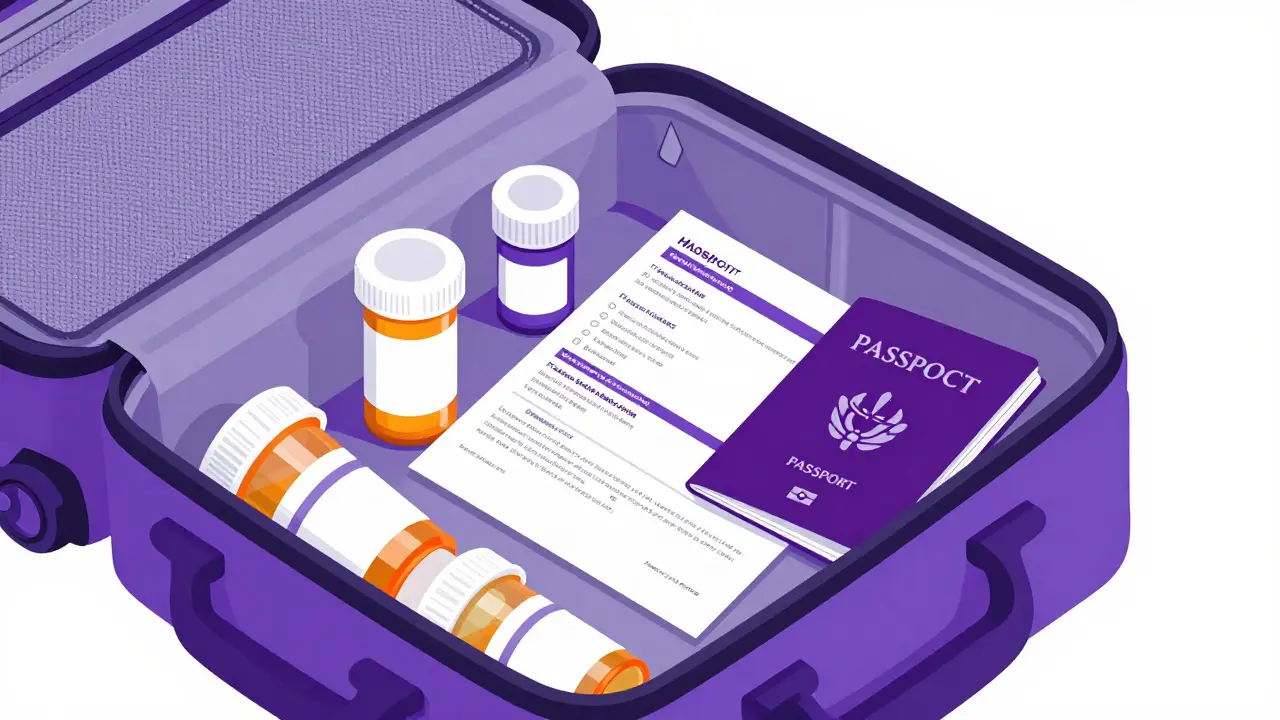
- The Original Container Rule: This is non-negotiable. Pack your meds in the original bottles with the pharmacy labels intact. Disney Cruise Line is known for being particularly strict about this. Unlabeled pill organizers often trigger security questions or, worse, can be confiscated if they contain controlled substances.
- The Name Match: Ensure the name on your prescription bottle matches the name on your passport. If you're carrying meds for a spouse or child, make sure you have the paperwork to prove it.
- The "Buffer" Supply: Don't pack exactly 7 days of meds for a 7-day cruise. Flight delays, weather-related port changes, or unexpected ship detours happen. Pack enough for an extra 3 to 5 days.
- Carry-On Only: Never, ever put your essential medications in your checked luggage. If your bag goes missing or is delayed, you're left relying on the ship's limited inventory. Keep them in your carry-on.
- The Master List: Keep a digital and physical list of your medications, dosages, and the prescribing doctor's contact info. If you have a medical emergency, this list allows the ship's doctor to act quickly without guessing your dosage.
Handling Specialty Equipment and Conditions
If you use more than just pills, the logistics get trickier. For those using CPAP machines, remember that you'll likely need distilled water to avoid mineral buildup-something not always readily available in cabin taps. You should also bring a high-quality extension cord, as cabin power outlets are often awkwardly placed.
Diabetes patients should carry a formal doctor's note explaining the need for insulin and syringes. While these are standard, having the paperwork prevents any headache during the embarkation security screening. Similarly, if you require oxygen or advanced monitoring, contact the cruise line's accessibility or medical department at least 60 days before sailing to see if the ship can even accommodate your needs.
What to Do if You Run Out of Medication
If you've hit a crisis and you're out of meds, don't panic, but act fast. First, visit the medical center during their standard hours (usually 8 AM to 10 PM). Be specific about the generic name of your drug, not just the brand name, as the ship may stock the generic version.
If the ship doesn't have your medication, ask about telemedicine. Some modern fleets, including those from Royal Caribbean, now offer remote consultations with shore-based specialists. This can help you determine if a similar, stocked medication can be used as a substitute. If that fails, your only other option is a port pharmacy. However, be warned: port pharmacies may be closed due to local holidays or weather, and you'll be limited by the time the ship is docked. Always prioritize the ship's doctor's advice over trying to find a pharmacy in a foreign port where you don't speak the language.
Can I get a refill of my prescription on a cruise ship?
It depends on the medication. Common drugs for blood pressure or diabetes may be available, but specialty medications and narcotics are rarely stocked in sufficient quantities. You should always bring more than you need for the duration of the trip.
Do I need to declare my medications during embarkation?
While not always mandatory for basic meds, it is highly recommended to keep them in original containers. If you are carrying controlled substances, you should have a doctor's note to avoid issues with customs or ship security.
How much does it cost to visit the ship's doctor?
The cost varies by cruise line, but you will typically pay a flat fee for the consultation plus the cost of any medications prescribed. These prices are significantly higher than land-based pharmacies.
What if the ship doesn't have the medicine I need?
The doctor may suggest a therapeutic equivalent that they do have in stock. If that's not possible, they may help you coordinate a pharmacy visit at the next port of call or use telemedicine to consult a specialist.
Are seasickness medications free on cruises?
Many cruise lines provide basic over-the-counter motion sickness relief for free or at a low cost, often available at the guest services desk or the medical center. However, prescription-strength options will likely carry a fee.
Next Steps for Your Trip
If you are planning a standard 7-14 day cruise, your main priority is simply over-packing your current prescriptions in their original bottles. If you are embarking on a residential cruise or a long-term voyage, you need to contact the cruise line's medical department 6 to 12 months in advance to coordinate your pharmaceutical needs.
For those with high-risk conditions, a quick check-in with your primary care physician regarding a "travel-safe" medication plan is the smartest move. Ask them for a written summary of your current regimen to keep in your carry-on. It's a small bit of effort that prevents a huge amount of stress once you're in the middle of the ocean.


Comments (14)