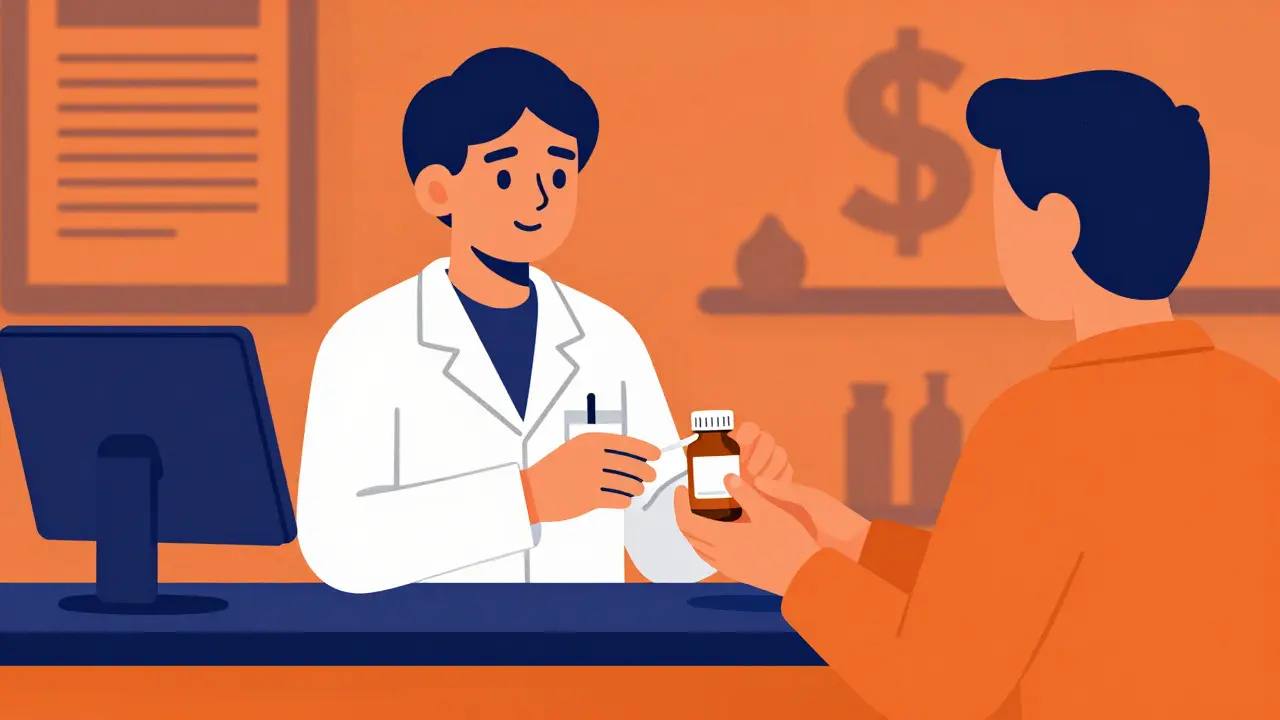
Have you ever filled a prescription and wondered why the pharmacist handed you a pill with a different name than what your doctor wrote? Or maybe you’ve noticed that paying $5 for a generic version of a drug feels like a steal compared to the $60 price tag on the brand-name alternative. This isn’t just luck or good timing. It is the result of a carefully engineered system known as insurance benefit design, specifically how health plans structure their rules to push patients toward generic drugs.
For decades, insurers and Pharmacy Benefit Managers (PBMs) have used these designs to control skyrocketing healthcare costs. The goal is simple: steer you toward cheaper medications without compromising your health. But how exactly do they do it? And are you actually saving money, or are hidden fees eating into those savings?
The Mechanics of Cost Containment
To understand how insurance companies cut costs, we first need to look at the foundation of modern generic drug usage. In 1984, the Hatch-Waxman Act changed everything by creating a faster approval pathway for generic drugs. These generics must be bioequivalent to their brand-name counterparts, meaning they work the same way in your body but cost significantly less to produce.
Today, this regulatory framework allows insurers to leverage massive volume discounts. According to data from the Pharmaceutical Care Management Association (PCMA), PBMs processed 6.8 billion generic prescription claims in 2022. That represents over 91% of all prescriptions dispensed in the United States. Despite making up the vast majority of pills sold, generics accounted for only 22% of total drug spending. This disparity is the engine of insurance benefit design.
Insurers use several specific tools to enforce this shift:
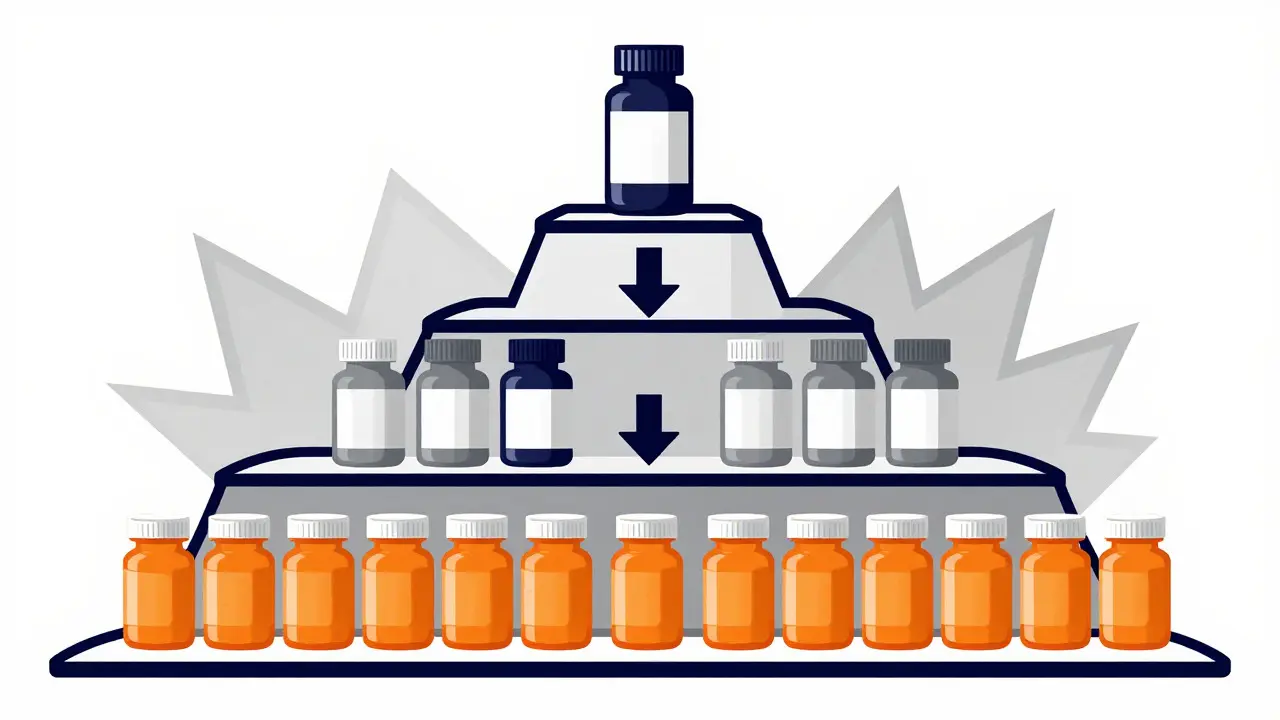
- Tiered Formularies: Drugs are sorted into tiers based on cost. Generics almost always sit in Tier 1, the lowest-cost tier.
- Mandatory Substitution: Laws in all 50 states allow pharmacists to swap brand-name drugs for generics unless the doctor explicitly forbids it.
- Step Therapy: Insurers require you to try a cheaper generic first before approving coverage for an expensive brand-name drug.
- Prior Authorization: Doctors must prove medical necessity before an insurer will cover a non-generic option.
These mechanisms create a financial wall around brand-name drugs. If you want the brand, you pay more. If you accept the generic, you pay little to nothing. This structure saved the U.S. healthcare system approximately $3.7 trillion between 2013 and 2022, according to the IQVIA Institute for Human Data Science.
Understanding Tiered Copayments
The most visible part of insurance benefit design for patients is the copayment. When you go to the pharmacy, the price you see is dictated by which tier your medication falls into. Let’s break down what this looks like in practice using 2024 data from the Kaiser Family Foundation.
| Formulary Tier | Drug Type | Average Copayment (Commercial Plans) | Typical Patient Experience |
|---|---|---|---|
| Tier 1 | Generic Drugs | $0 - $10 | Lowest out-of-pocket cost; often automatic substitution. |
| Tier 2 | Preferred Brand-Name | $25 - $50 | Higher cost; may require prior authorization if generic exists. |
| Tier 3 | Non-Preferred Brand / Specialty | $60 - $100+ | Highest cost; strict step therapy protocols usually apply. |
Notice the gap between Tier 1 and Tier 2. That difference is intentional. By keeping generic copays near zero, insurers remove any financial barrier to choosing the cheaper option. Meanwhile, brand-name copays have risen sharply. Between 2010 and 2020, average brand-name copayments increased by 47%, while generic copays went up by only 12%. This widening gap makes the choice obvious for most patients: take the generic.
However, not all plans use fixed copayments. Some employers are moving toward coinsurance, where you pay a percentage of the drug’s cost rather than a flat fee. While this can lead to lower costs for very cheap generics, it can also mean higher bills if the generic price fluctuates. Understanding whether your plan uses copays or coinsurance is crucial for budgeting your healthcare expenses.
The Role of Pharmacy Benefit Managers (PBMs)
You might wonder who actually negotiates these prices. Enter the Pharmacy Benefit Manager, or PBM. Companies like CVS Caremark, OptumRx, and Express Scripts act as middlemen between insurers, drug manufacturers, and pharmacies. They manage the formulary-the list of covered drugs-and negotiate rebates.
In 2022, PBMs secured $195 billion in rebates and discounts for health plans, according to PCMA. On paper, this sounds great. But there is a catch. Critics argue that the system is opaque. A 2022 white paper from the USC Schaeffer Center highlighted that consumers often overpay for generics because PBMs engage in "spread pricing." This happens when a PBM charges the insurance plan more for a generic drug than it reimburses the pharmacy. The PBM keeps the difference.
Dr. Erin Trish, Director of the USC Schaeffer Center, testified before Congress that this system funnels savings into intermediaries’ pockets rather than patients’. For example, a patient might expect to save $10 on a generic, but due to spread pricing and copay clawbacks, they could end up paying $10-$15 more out-of-pocket than the actual wholesale cost of the drug. This disconnect is one of the biggest frustrations in current insurance benefit design.
Differences Across Insurance Programs
Not all insurance programs handle generics the same way. Your experience depends heavily on whether you have Medicare, Medicaid, or commercial employer-sponsored insurance.
Medicare Part D covers over 50 million beneficiaries. Since its inception in 2006, it has relied on standardized formulary structures. Most Part D plans include mandatory generic tiers. However, out-of-pocket costs vary wildly depending on the specific plan you choose. In 2024, generic copayments across different Part D plans ranged from $0 to $15. Step therapy is also common, with 92% of Medicare Part D plans requiring patients to try generics first.
Medicaid operates under federal Upper Payment Limits (UPLs), which cap reimbursement for generics at 250% of the average manufacturer price. This strict cap helps keep costs low. In fact, Medicaid achieved a generic dispensing rate of 89.3% in 2022, slightly higher than the commercial market. The government is now launching the GENEROUS Model in 2026 to further negotiate lower prices directly with manufacturers, aiming to save billions.
Commercial Insurance has seen a rise in High-Deductible Health Plans (HDHPs). About 31% of employer-sponsored plans in 2023 were HDHPs. These plans often feature lower generic copayments even before you meet your deductible. Self-insured employers have been particularly aggressive here. A Johns Hopkins study found that two large self-insured employers saved 9% to 15% by substituting prescription drugs with therapeutically equivalent lower-cost options, without harming clinical outcomes.
Real-World Impact on Patients
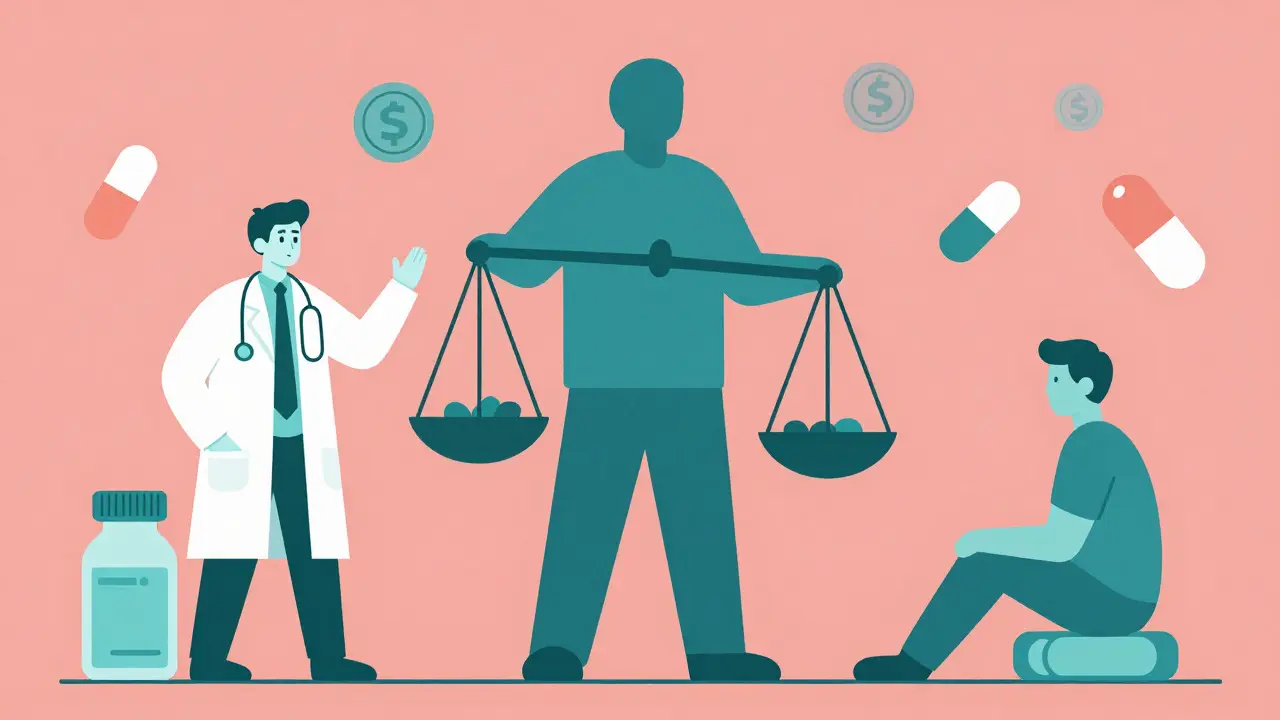
So, does this system work for you? The answer is mixed. On one hand, low-cost access to generics is a win. A 2024 survey by the Kaiser Family Foundation found that 68% of Medicare Part D beneficiaries were satisfied with their generic drug coverage. Many patients appreciate the predictability of a $5 or $10 copay.
On the other hand, friction exists. Some patients report difficulties accessing certain generics due to formulary restrictions. Others face hurdles with prior authorizations. If your doctor insists on a brand-name drug because a generic caused side effects, you might have to jump through hoops. A Medscape poll revealed that 31% of physicians reported patients experiencing adverse effects after being switched to generics through insurance-mandated substitution programs.
There are also hidden costs. Patients on forums like Reddit and Patients Like Me have documented cases where they paid more out-of-pocket for generics than expected due to complex billing practices. One user noted paying $15-$25 more than anticipated due to copay clawbacks, a phenomenon confirmed by the Department of Labor’s 2024 analysis. This highlights a critical flaw: while the intent of insurance benefit design is to save money, the execution can sometimes confuse and penalize the very people it aims to help.
Future Trends and Transparency
The landscape is shifting. New regulations are demanding more transparency. The No Surprises Act’s 2024 Appendix mandates detailed prescription drug pricing disclosures, requiring insurers to show exactly how much they paid for a drug versus what you paid. Starting January 1, 2025, Explanation of Benefits (EOB) statements must include these breakdowns.
Additionally, the Inflation Reduction Act introduced an out-of-pocket cap for Medicare Part D, limiting annual drug costs to $2,000 starting in 2025. This changes the incentive structure for seniors, who no longer fear catastrophic drug bills. As a result, the pressure to force generic use might lessen slightly for high-cost scenarios, though generics will remain the default for routine care.
New models are also emerging. Direct-to-consumer pharmacies like the Mark Cuban Cost Plus Drug Company offer transparent pricing, charging just a markup over manufacturing costs. While this model currently benefits uninsured patients the most, it challenges traditional PBMs to become more transparent. As competition increases and regulations tighten, insurance benefit design will likely evolve to prioritize clarity alongside cost containment.
Why do insurance plans prefer generic drugs over brand-name ones?
Insurance plans prefer generic drugs because they typically cost 80-85% less than brand-name counterparts while providing the same therapeutic effect. This significant price difference allows insurers to reduce overall healthcare expenditures, offering lower premiums and copayments to policyholders. Generic drugs account for over 90% of prescriptions but only about 22% of total drug spending.
What is a tiered formulary in health insurance?
A tiered formulary is a list of covered drugs divided into categories or "tiers" based on cost. Tier 1 usually includes generic drugs with the lowest copayments. Tier 2 and Tier 3 include preferred and non-preferred brand-name drugs, respectively, with progressively higher out-of-pocket costs. This structure incentivizes patients to choose cheaper alternatives.
How do Pharmacy Benefit Managers (PBMs) affect drug prices?
PBMs negotiate rebates and discounts with drug manufacturers on behalf of insurance plans. While they secure billions in savings, critics argue that practices like spread pricing-where PBMs charge insurers more than they reimburse pharmacies-can inflate costs for consumers. PBMs play a central role in managing formularies and enforcing cost-control measures like step therapy.
What is step therapy, and how does it impact my prescriptions?
Step therapy is a protocol requiring patients to try lower-cost generic alternatives before an insurer approves coverage for more expensive brand-name drugs. If the generic fails to treat your condition, your doctor can appeal for the brand-name drug. This process delays access to certain medications but aims to ensure cost-effective treatment first.
Are generic drugs as effective as brand-name drugs?
Yes, generic drugs must demonstrate bioequivalence to their brand-name counterparts to receive FDA approval. This means they contain the same active ingredients and work the same way in the body. While inactive ingredients may differ, leading to rare instances of allergic reactions or tolerance issues, the therapeutic outcome is generally identical.


Comments (11)