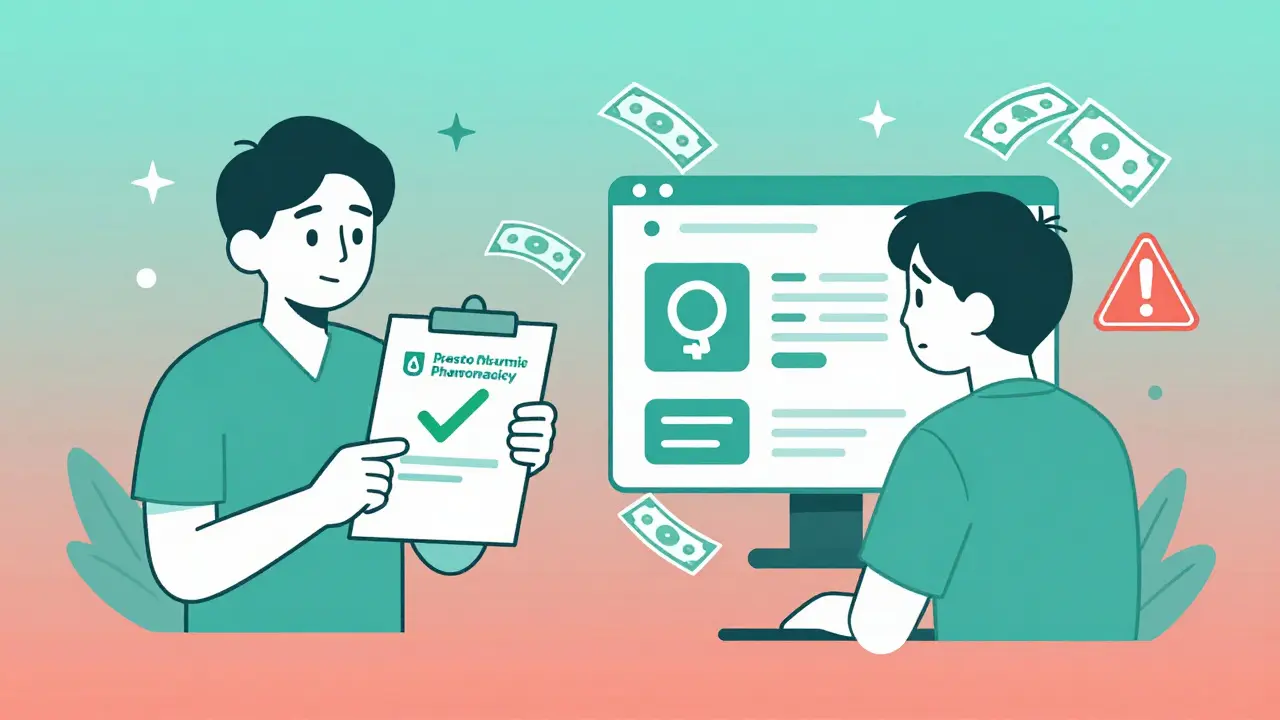
When you buy generic medications from an online pharmacy, your insurance might cover it - or it might not. It depends on which pharmacy you use, what your plan allows, and how the system is built. Too many people assume that if a drug is generic and sold online, insurance will automatically pay for it. That’s not true. And the difference between getting covered and paying full price can be hundreds of dollars a year.
Not All Online Pharmacies Are the Same
There’s a big difference between a mail-order pharmacy run by your insurance company and a random website you found on Google. Mail-order pharmacies like Express Scripts, CVS Caremark, or Optum Rx are part of your plan’s pharmacy benefit manager (PBM) network. These are the ones that work directly with your insurance. When you order through them, your copay is calculated right away, and the drug ships to your door - usually in 90-day supplies. Independent online pharmacies? Those are different. They’re like Amazon or Walmart’s online store for pills. Some accept insurance. Some don’t. Some only let you pay out of pocket and then submit a claim for reimbursement - which means you pay upfront, wait weeks, and hope you get money back. Most people don’t realize this until they get billed $150 for a medication they thought was covered.How Insurance Actually Covers Generics
Your insurance doesn’t just say “yes” or “no” to generics. It uses a tiered system called a formulary. Most plans have four tiers:- Tier 1: Preferred generics - $5 for 30 days, $10 for 90 days
- Tier 2: Non-preferred generics - $15-$25
- Tier 3: Preferred brand-name drugs - 30% coinsurance, up to $200
- Tier 4: Non-preferred brands - 50% coinsurance, up to $200
Mail-Order vs. Retail: The Real Cost Difference
Many people think retail pharmacies are cheaper. Not always. For maintenance drugs like metformin, lisinopril, or atorvastatin, mail-order often wins. Take MHBP Federal Health Plans data from 2023: a 30-day supply of a generic at a local pharmacy costs $5. A 90-day supply through mail-order? $10. That’s $10 for three months - or about $3.33 per month. At a retail pharmacy, you’d pay $5 every 30 days - $15 a month. Mail-order saves you over 75% on that drug. But here’s the catch: mail-order takes about a week to deliver. If you need antibiotics tomorrow or a new painkiller after surgery, you can’t wait. That’s when retail or a local pharmacy that accepts your insurance is your only option.Amazon RxPass and Other New Models
Amazon Pharmacy’s RxPass is changing the game. For $5 a month, Prime members get unlimited access to over 100 common generic medications - no copay, no deductible, no insurance needed. It’s not insurance. It’s a subscription. And it’s growing fast. Users love it. One Reddit user said, “I pay $5 a month for my blood pressure med. My insurance used to charge me $15 every time. Now I just order and it shows up.” But it’s not for everyone. If you take more than a few generics, it’s a steal. But if you need a niche drug - say, a specific thyroid medication or a rare autoimmune drug - it’s not covered. This model bypasses the entire PBM system. That’s why traditional insurers are nervous. But for people with high-deductible plans, RxPass is often cheaper than paying even the lowest copay.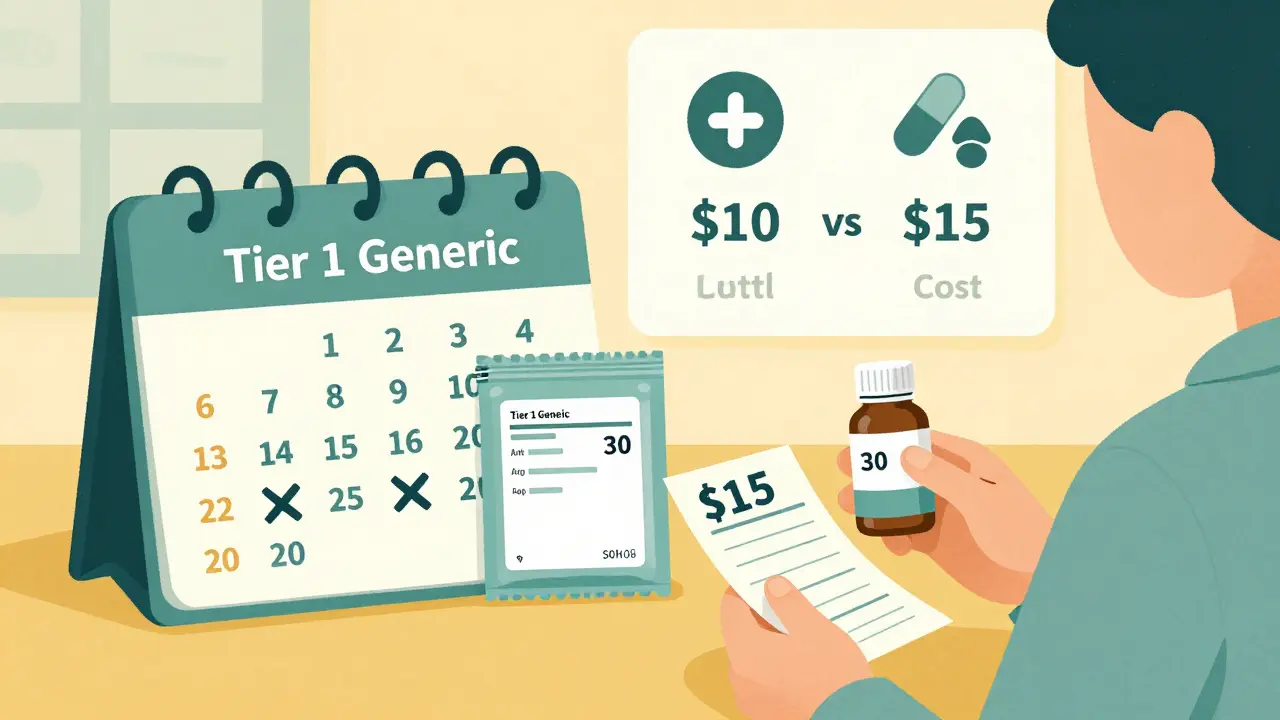
Non-Medical Switching: When Insurance Forces a Change
Your doctor prescribes a brand-name drug. You fill it. Next month, you get a different pill. Same active ingredient. Different name. You didn’t ask for it. Your insurance did. This is called non-medical switching. It’s not rare. In fact, 68% of large employers now require generic substitution when available, according to the Kaiser Family Foundation. Insurers do this because generics cost 80-90% less. They save money. But sometimes, patients react badly. One patient on PatientAdvocate.org reported switching from Copaxone to a generic version without warning - and ended up in the ER with severe side effects. You have rights. If your doctor says you need the brand, you can request a formulary exception. That means your doctor files paperwork explaining why the generic won’t work for you. It’s not automatic, but it works in about 60% of cases when supported by medical records.What to Do Before You Order
Don’t just click “buy.” Do this first:- Check your plan’s formulary. Use your insurer’s website or call member services.
- Confirm the pharmacy is in-network. If it’s not, you might pay full price with no reimbursement.
- Compare prices. Use GoodRx or SingleCare to see cash prices. Sometimes, Walmart’s $10 for 90-day generics is cheaper than your insurance copay.
- If using mail-order, make sure your doctor wrote a 90-day prescription. Many plans won’t process 30-day orders.
- Call the online pharmacy. Ask: “Do you accept my insurance plan?” Don’t assume.
What Happens If You Use an Out-of-Network Pharmacy?
You pay full price. Then you submit a claim. That’s it. Most plans won’t cover you at all if you use a pharmacy outside their network - unless you file for reimbursement. That process takes 4-8 weeks. You need to keep your receipt, the prescription, and your insurance card. Even then, reimbursement is often capped at what the plan considers “reasonable and customary” - which might be less than what you paid. One user in Cape Town shared that she paid $120 for a generic antibiotic from an overseas pharmacy. Her U.S. plan reimbursed her $45. She lost $75. That’s why sticking to U.S.-based, in-network pharmacies matters - even if they’re online.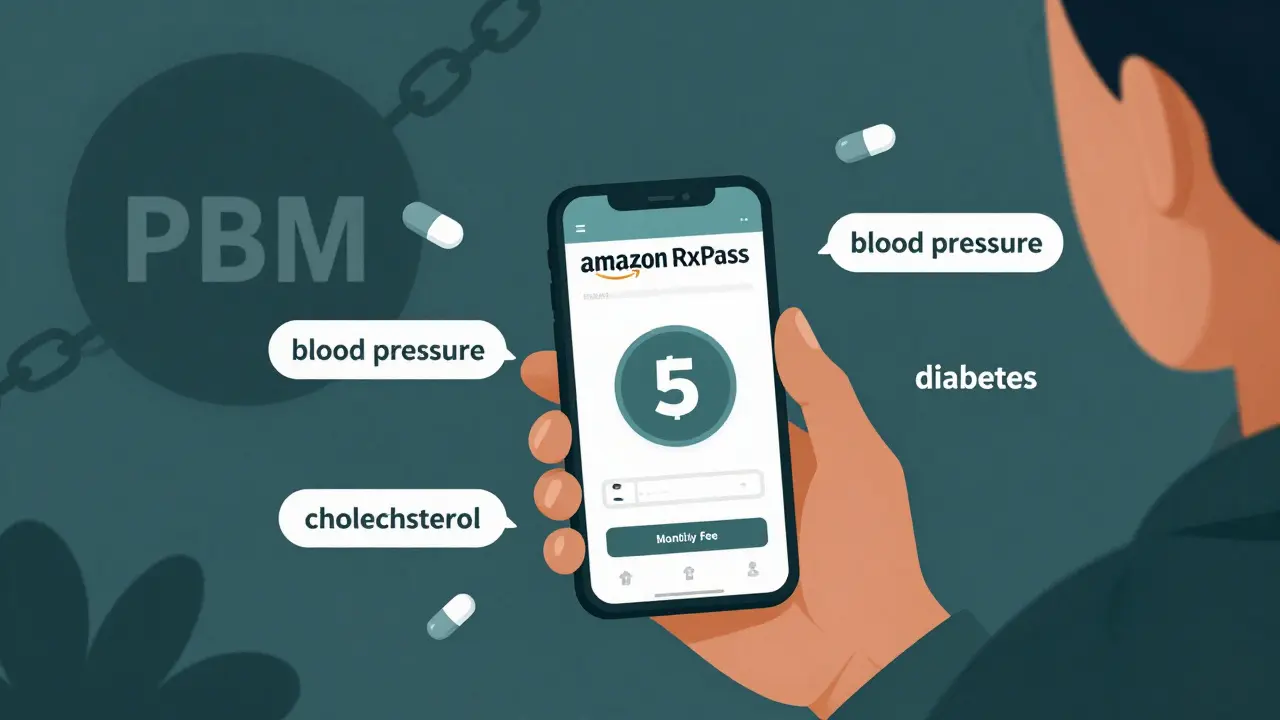
Who Can Help?
You don’t have to figure this out alone. Most insurance plans offer free nurse hotlines. MHBP’s 24/7 line is 1-800-556-1555. You can call and ask:- “Is my medication covered?”
- “Can I switch to a generic?”
- “Is this online pharmacy in-network?”
What’s Changing in 2026?
By 2025, experts predict 45% of generic maintenance drugs will be delivered by mail or home delivery - up from 32% in 2022. More insurers are pushing for 90-day supplies. More states are passing laws to cap generic copays at $10 or less. And Amazon’s RxPass is expanding its list of covered drugs. But the core system hasn’t changed. PBMs still control 92% of prescription drug plans in the U.S. Your coverage still depends on whether your drug is on their formulary. Your savings still depend on whether you use the right pharmacy.Bottom Line
Insurance coverage for online pharmacy generics isn’t complicated - it’s just hidden. The key is knowing which pharmacy you’re using, whether it’s in-network, and what your plan’s formulary says. Don’t trust the website’s “accepts insurance” button. Call your insurer. Check your formulary. Compare prices. You could save $200, $500, or even $1,200 a year just by making the right choice.And if you’re on a high-deductible plan? Look at RxPass. If you take two or more generics, it might be the cheapest option - insurance or not.
Do all online pharmacies accept insurance?
No. Only mail-order pharmacies tied to your insurance’s pharmacy benefit manager (like Express Scripts or CVS Caremark) automatically accept your plan. Independent online pharmacies may or may not accept insurance - you have to call them and ask. Never assume.
Why is my generic drug not covered by insurance?
Your drug might not be on your plan’s formulary, or it could be classified as a non-preferred generic. Some generics are excluded because the insurer wants you to use a different, cheaper version of the same drug. Check your plan’s drug list or call member services to find out why.
Can I use GoodRx instead of insurance?
Yes. GoodRx often shows cash prices lower than your insurance copay, especially if you have a high deductible. You pay out of pocket and skip insurance entirely. It’s legal, common, and smart for many people - especially if you’re not on a low-cost plan.
What’s the difference between mail-order and online pharmacies?
Mail-order pharmacies are part of your insurance network and process claims directly through your pharmacy benefit manager. They require 90-day prescriptions and deliver in about a week. Independent online pharmacies are separate businesses - they may accept insurance, but often require you to pay upfront and file for reimbursement later.
Is Amazon RxPass worth it?
If you take two or more common generic medications - like blood pressure, cholesterol, or diabetes drugs - and you’re a Prime member, yes. For $5 a month, you get unlimited refills of over 100 generics. It’s cheaper than most insurance copays. But it doesn’t cover all drugs, especially specialty or less common ones.
Can my insurance force me to switch to a generic?
Yes. This is called non-medical switching. Insurers can require you to use a generic version even if your doctor prescribed the brand name. If you have side effects or medical reasons to stay on the brand, your doctor can file a formulary exception request. About 60% of these requests are approved with proper documentation.
How do I know if an online pharmacy is safe?
Look for the VIPPS seal (Verified Internet Pharmacy Practice Sites) or check the National Association of Boards of Pharmacy’s list of accredited pharmacies. Avoid sites that don’t require a prescription or offer drugs at prices that seem too good to be true. Safety matters more than savings.


Comments (15)