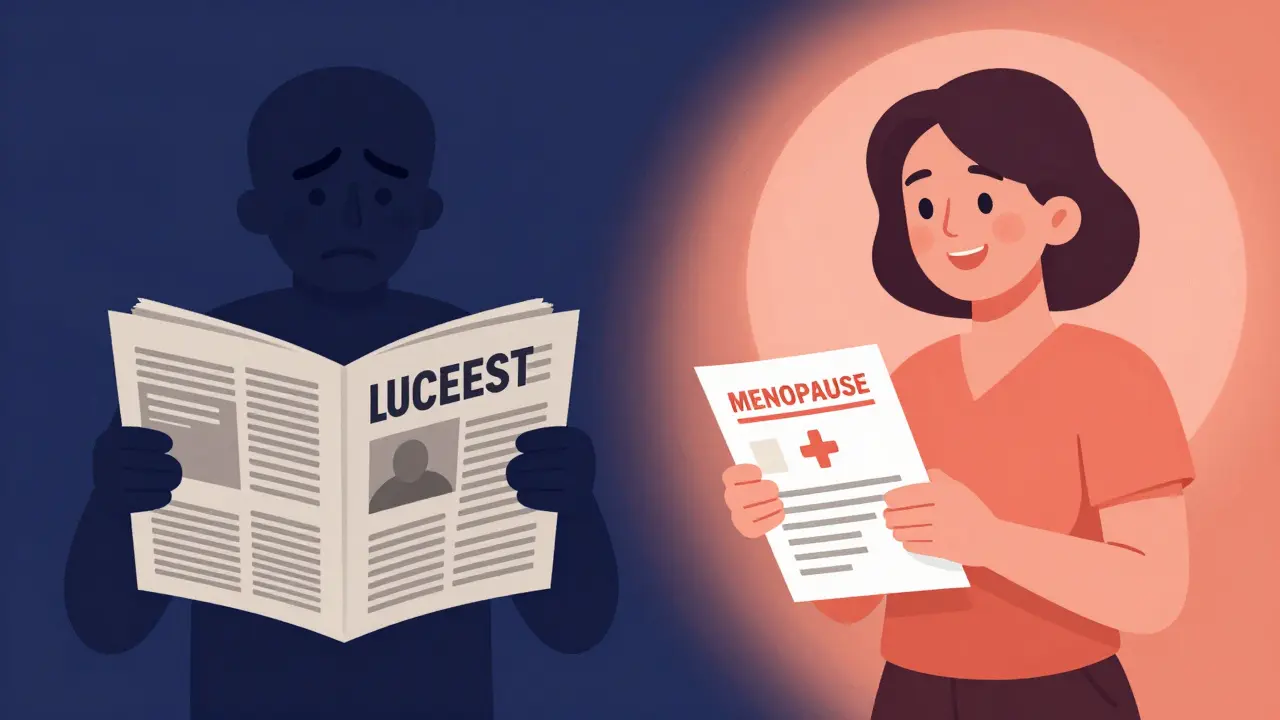
For decades, the conversation around Menopause Hormone Therapy (MHT, also known as Hormone Replacement Therapy or HRT) was dominated by fear. If you are in your 50s or approaching that milestone, you might remember the shockwaves from the early 2000s when major studies suggested these treatments were dangerous. But the science has moved on. Today, medical experts agree that for many women, especially those under 60 or within ten years of menopause onset, the benefits of managing severe symptoms often outweigh the risks.
You are not just dealing with 'getting older.' You are navigating a significant hormonal shift that can affect your sleep, mood, bone density, and daily comfort. Understanding whether MHT is right for you requires looking past the headlines and into the specific data regarding formulations, timing, and individual health profiles. This guide breaks down what the latest research says about efficacy, safety, and how to make an informed decision with your healthcare provider.
What Is Menopause Hormone Therapy and How Does It Work?
Menopause Hormone Therapy is a medical treatment that replaces estrogen and sometimes progesterone to alleviate symptoms caused by declining hormone levels during menopause. When your ovaries stop producing enough estrogen, you may experience vasomotor symptoms like hot flashes and night sweats, vaginal dryness, and sleep disturbances. MHT works by supplementing these missing hormones to restore balance.
The therapy typically involves two types of hormones:
- Estrogen: The primary hormone used to treat hot flashes and prevent bone loss. It can be taken orally (pills), applied through the skin (patches, gels), or used vaginally (creams, rings).
- Progestogen (Progesterone): Added to protect the lining of the uterus (endometrium) from cancer if you still have your uterus. Women who have had a hysterectomy do not need progestogen.
According to the North American Menopause Society (NAMS) 2022 position statement, MHT is the most effective treatment available for menopausal vasomotor symptoms. While non-hormonal options exist, they generally offer less relief. For instance, selective serotonin reuptake inhibitors (SSRIs) reduce hot flashes by only 50-60%, whereas MHT can reduce them by 75-90%.
Key Benefits: More Than Just Cooling Down
The immediate benefit for most users is dramatic relief from hot flashes. Data from the Women's Health Initiative (WHI) study showed that estrogen therapy reduced the frequency of hot flashes by approximately 75% compared to placebo. Users often report going from 15-20 disruptive episodes daily to just a few within weeks of starting low-dose transdermal estrogen.
Beyond symptom management, MHT plays a critical role in long-term health preservation:
- Bone Density Protection: Estrogen deficiency accelerates bone loss, leading to osteoporosis. MHT helps maintain bone mineral density, significantly reducing the risk of fractures. Long-term users frequently report stable DEXA scan results over years of use.
- Vaginal Health: Vaginal estrogen preparations specifically target genitourinary syndrome of menopause (GSM), relieving dryness, itching, and pain during intercourse without significant systemic absorption.
- Mood and Sleep: By stabilizing hormone fluctuations, MHT can improve sleep quality and reduce mood swings associated with perimenopause and early menopause.
Dr. Stephanie Faubion, medical director of NAMS, emphasizes that for healthy women under 60 or within 10 years of menopause, the benefits for treating bothersome symptoms clearly outweigh the risks.
Understanding the Risks: What the Data Really Says
No medication is without potential side effects. The goal is to minimize risks while maximizing benefits. The perceived dangers of MHT largely stem from the original WHI findings, but subsequent analyses have nuanced this picture significantly.
| Risk Factor | Oral Estrogen + Progestogen | Transdermal Estrogen | Estrogen Only (No Uterus) |
|---|---|---|---|
| Breast Cancer Risk | Increased (~29 extra cases per 10,000 women-years) | Lower risk than oral; minimal increase with short-term use | No significant increase (9 extra cases per 10,000 women-years) |
| Venous Thromboembolism (VTE) | Higher (3.0 per 1,000 women-years) | Lower (1.3 per 1,000 women-years) | Lower than combined oral therapy |
| Stroke Risk | Slightly increased | ~30% lower risk compared to oral estrogen | Neutral to slightly decreased |
| Cardiovascular Disease | Increased risk if started >10 years after menopause | Neutral or potentially protective if started early ('Timing Hypothesis') | Neutral |
A key insight from recent research is the importance of formulation. Oral estrogen passes through the liver first, which can increase clotting factors and raise VTE risk. Transdermal patches bypass the liver, resulting in a significantly lower risk of blood clots and stroke. A study published in Circulation involving 76,000 women found that transdermal estrogen demonstrated a 30% lower risk of stroke compared to oral forms.
Another critical factor is the 'Timing Hypothesis.' Initiating therapy close to menopause onset (before age 60 or within 10 years of the last period) appears safer and may even offer cardiovascular protection. Starting MHT later in life, particularly after age 60 or more than 10 years post-menopause, carries higher risks for heart disease and cognitive decline. This distinction is why blanket warnings from the early 2000s are now considered outdated for younger menopausal women.
Non-Hormonal Alternatives: When MHT Isn't an Option
Some women cannot take MHT due to contraindications such as a history of breast cancer, cardiovascular disease, thromboembolic disorders, or unexplained vaginal bleeding. In these cases, non-hormonal alternatives become necessary, though they are generally less effective for severe vasomotor symptoms.
- SSRIs/SNRIs: Antidepressants like paroxetine or venlafaxine can reduce hot flashes by 50-60%. They are helpful if you also struggle with anxiety or depression.
- Gabapentin: Originally an anti-seizure medication, it reduces hot flashes by about 45% but can cause dizziness and fatigue in up to 25% of users.
- Fezolinetant (Veozah): A newer non-hormonal prescription drug that targets the brain's temperature regulation center. It offers moderate relief for some women.
- Lifestyle Modifications: Layered clothing, cool sleeping environments, stress reduction techniques, and avoiding triggers like spicy foods or alcohol can provide mild relief.
- Phytoestrogens: Plant-based compounds like soy isoflavones show inconsistent results. A Cochrane Review reported only a negligible difference (0.5 fewer hot flashes per day) compared to placebo.
If your symptoms are mild, lifestyle changes might suffice. However, if hot flashes disrupt your sleep and daily life, non-hormonal medications are the next step before considering if you are a candidate for MHT.

How to Start: Dosage, Duration, and Monitoring
The golden rule of MHT is using the lowest effective dose for the shortest duration necessary to manage symptoms. There is no one-size-fits-all approach. Your provider will tailor the regimen based on your specific needs.
- Initial Assessment: Your doctor will review your personal and family medical history, measure blood pressure, and assess symptom severity using tools like the Menopause Rating Scale.
- Choosing a Route: If you have a high risk of blood clots, transdermal patches or gels are preferred. If vaginal dryness is your primary concern, local vaginal estrogen is sufficient and safe for long-term use.
- Starting Doses: Typical starting doses include 0.3 mg conjugated equine estrogens orally or 0.025-0.05 mg/day via patch. Adjustments are made based on response.
- Monitoring: Regular check-ups are essential. Most women stay on MHT for 3-5 years, but some continue longer for persistent symptoms or osteoporosis prevention. Annual reviews help reassess risks versus benefits as you age.
Common challenges include breakthrough bleeding during the first 6 months, which often resolves with dosage adjustments. Side effects like bloating or mood swings may occur, particularly with oral formulations, and switching to transdermal options often mitigates these issues.
Current Trends and Future Directions
The landscape of menopause care is evolving rapidly. Following the FDA’s expert panel in July 2025, there is renewed focus on personalized medicine. Newer formulations like tissue-selective estrogen complexes (TSECs), such as Duavee, aim to provide estrogen benefits while minimizing endometrial and breast tissue exposure, though they come at a higher cost ($300-$400/month).
Research presented at The Menopause Society's 2025 Annual Meeting analyzed over 120 million patient records, reinforcing that initiating estrogen during perimenopause is associated with an 18% lower risk of cardiovascular events compared to starting after menopause completion. This supports the shift toward earlier intervention for appropriate candidates.
Looking ahead, genetic testing may soon guide estrogen metabolism profiling, allowing providers to predict how your body will process specific hormones. This could lead to highly individualized prescriptions that maximize efficacy and minimize side effects. Meanwhile, corporate wellness programs are increasingly recognizing menopause support, with 42% of Fortune 500 companies offering related services as of 2024.
Is hormone replacement therapy safe for everyone?
No, MHT is not safe for everyone. It is contraindicated for women with a history of breast cancer, coronary artery disease, stroke, blood clots, or liver disease. Always consult your healthcare provider to evaluate your personal risk factors before starting therapy.
How long should I stay on hormone therapy?
There is no fixed timeline. The general recommendation is to use the lowest effective dose for the shortest time needed to control symptoms. Many women use it for 3-5 years, but some continue longer if benefits outweigh risks. Annual reassessment with your doctor is crucial.
Does HRT cause weight gain?
Current evidence suggests that MHT does not directly cause significant weight gain. Any weight changes are more likely related to natural aging, metabolic shifts, and lifestyle factors. Some women actually find it easier to maintain weight because better sleep and reduced stress improve their ability to exercise and eat well.
What is the best form of hormone therapy?
The 'best' form depends on your health profile. Transdermal estrogen (patches/gels) is often preferred for women with higher clotting risks because it bypasses the liver. Oral pills are convenient and effective for many. Vaginal estrogen is best for localized symptoms like dryness. Micronized progesterone is generally preferred over synthetic progestins for uterine protection due to a potentially lower breast cancer risk.
Can I start hormone therapy if I am over 60?
Starting MHT after age 60 or more than 10 years after menopause onset carries higher risks for cardiovascular events and dementia. Guidelines generally advise against initiating systemic MHT in this window solely for chronic disease prevention. However, for severe symptoms, a careful risk-benefit analysis with a specialist may still justify low-dose therapy.