
Why Some Asthma Patients Can’t Take Common Painkillers
If you have asthma and reach for ibuprofen or aspirin when you have a headache, you could be putting yourself at risk-without even knowing it. About 7% of adults with asthma react badly to common painkillers like ibuprofen, naproxen, and aspirin. This isn’t an allergy in the usual sense. It’s a condition called NSAID-Exacerbated Respiratory Disease (NERD), sometimes called Aspirin-Exacerbated Respiratory Disease (AERD). And it’s more dangerous than most people realize.
People with NERD don’t just get a stomach upset or rash. They can have sudden, severe asthma attacks, nasal swelling, and trouble breathing within 30 minutes to three hours after taking these drugs. In some cases, it leads to emergency room visits. And the worst part? Many patients don’t know they have it until they have a serious reaction.
Who’s Most at Risk?
NERD doesn’t affect everyone with asthma. It’s more common in certain groups. Most patients are women, often in their 30s or 40s, and many have chronic sinus problems with nasal polyps. In fact, if you have nasal polyps and asthma, your chance of having NERD jumps to 40-50%. That’s not a small risk-it’s a major red flag.
People who’ve had asthma for a long time, especially if it’s hard to control, are also more likely to develop NERD. Smoking, being overweight, and having a family history of allergies or asthma increase your chances too. It’s rare for someone under 20 to be diagnosed, and most people don’t notice symptoms until they’re well into adulthood.
One key clue? If your nasal congestion and runny nose started years before your asthma got worse, that’s a classic sign. Many patients describe their sinuses acting up first, then their breathing getting worse over time. It’s not just coincidence-it’s the same underlying inflammation playing out in both places.
What’s Really Happening in Your Body?
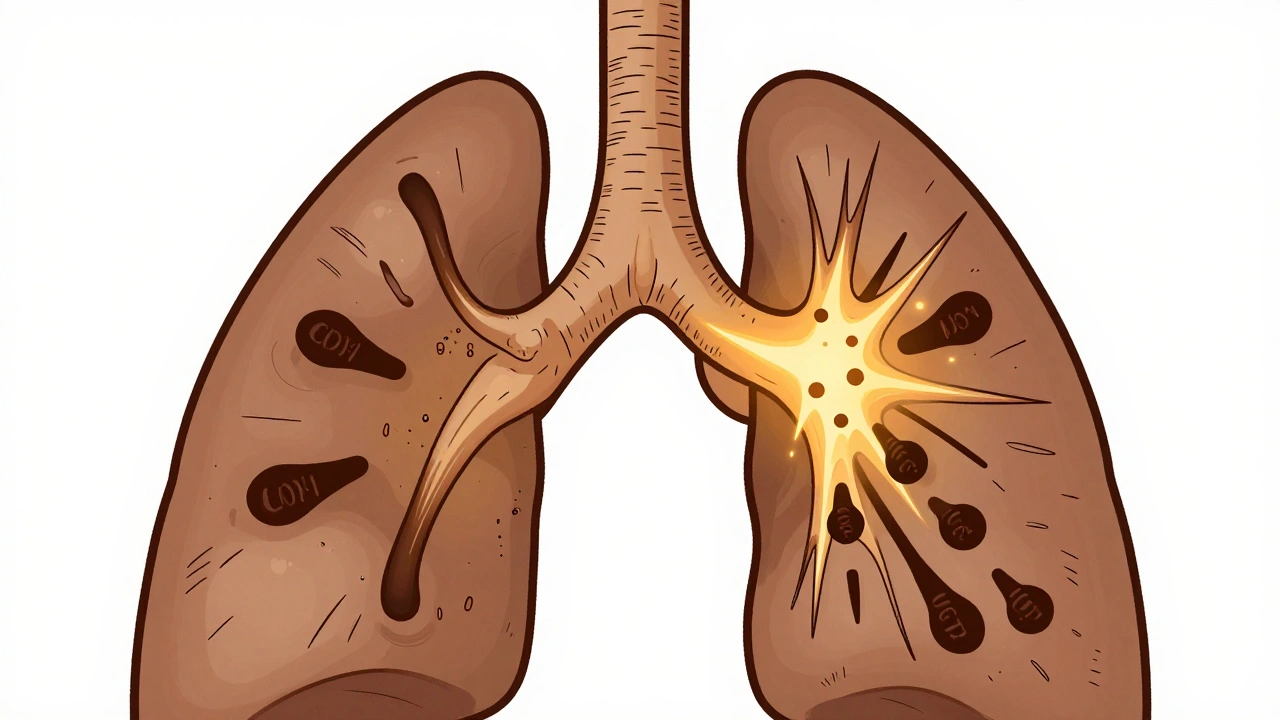
NSAIDs like aspirin and ibuprofen work by blocking an enzyme called COX-1. That’s how they reduce pain and swelling. But for people with NERD, that blockage triggers a chain reaction. Your body starts producing too much of something called cysteinyl leukotrienes-powerful chemicals that tighten airways, increase mucus, and cause inflammation.
At the same time, your body makes less of a protective chemical called prostaglandin E2. This normally keeps airways open and reduces swelling. When it drops, your lungs become more sensitive. The result? Bronchospasm, wheezing, and sometimes life-threatening asthma attacks.
This isn’t an immune response like a peanut allergy. It’s a biochemical imbalance. That’s why antihistamines won’t help. You need to avoid the trigger entirely-or get specialized treatment.
Which Painkillers Are Safe?
Not all pain relievers are dangerous. Acetaminophen (paracetamol) is usually safe for people with NERD, as long as you stick to the recommended dose-no more than 1,000 mg per dose. But even then, about 5-10% of people still react to higher doses. So start low and watch for symptoms.
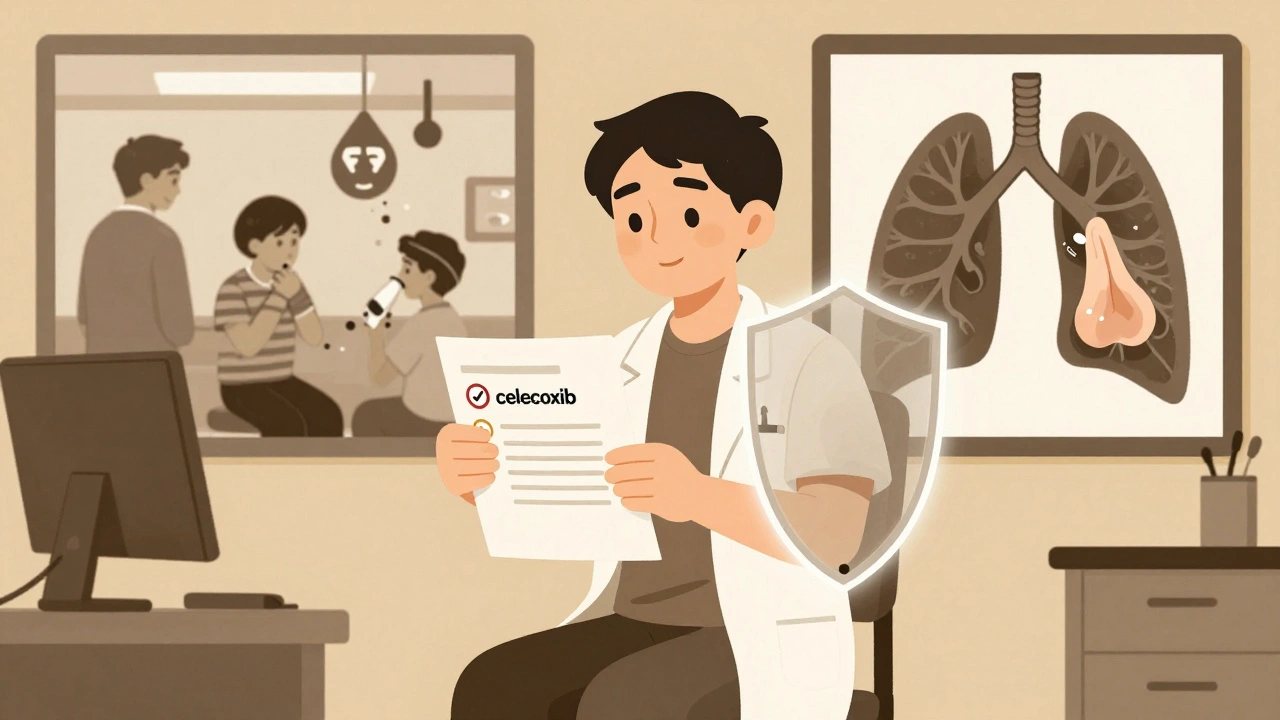
Another option is celecoxib, a COX-2 selective inhibitor. Unlike traditional NSAIDs, it doesn’t strongly block COX-1. Studies show it’s generally safe for NERD patients. But it’s not available everywhere without a prescription, and it’s not for everyone-especially if you have heart problems.
Here’s what to avoid:
- Aspirin (even low-dose, like 75 mg)
- Ibuprofen (Advil, Motrin)
- Naproxen (Aleve, Naprosyn)
- Diclofenac (Voltaren)
- Ketoprofen
- Indomethacin
And here’s the tricky part: these ingredients hide in other products. Cold medicines, flu remedies, menstrual pain pills, and even some topical gels contain NSAIDs. Always check the label. If it says “NSAID” or lists any of the names above, skip it.
What to Do If You’ve Had a Reaction
If you’ve ever had wheezing, chest tightness, or nasal swelling after taking ibuprofen or aspirin, don’t ignore it. Talk to your doctor. Ask for a referral to an allergist or respiratory specialist. They can run tests to confirm NERD.
One common test is an aspirin challenge-done under strict medical supervision. You’re given a tiny, controlled dose of aspirin while your breathing is monitored. If your airways react, it confirms the diagnosis. This isn’t something to try at home. But once confirmed, it opens up treatment options.
For some patients, aspirin desensitization is an option. This involves gradually increasing doses of aspirin under medical care until your body stops reacting. After that, you take a daily low dose. Studies show this can reduce nasal polyps, improve breathing, and cut down on steroid use. It’s not for everyone-but for those who qualify, it’s life-changing.
How to Stay Safe Every Day
Living with NERD means being extra careful with medications. Here’s how to protect yourself:
- Always read medicine labels. Look for ibuprofen, naproxen, aspirin, or “NSAID” in the active ingredients.
- Keep a list of safe pain relievers and show it to pharmacists before buying anything new.
- Wear a medical alert bracelet that says “NSAID Sensitive” or “AERD” in case of emergency.
- Carry your rescue inhaler with you at all times-even if your asthma feels under control.
- Ask your doctor about a written action plan for what to do if you accidentally take an NSAID.
Many patients say the hardest part isn’t the symptoms-it’s remembering what’s safe. One woman in Cape Town told her doctor she avoided painkillers for years… until she took a cold tablet labeled “non-drowsy” and didn’t realize it contained ibuprofen. She ended up in the ER. That’s why education matters.
When to Call for Help
If you take an NSAID and notice any of these symptoms, act fast:
- Sudden wheezing or shortness of breath
- Chest tightness or pain
- Severe nasal congestion or runny nose
- Swelling in the face or throat
- Feeling lightheaded or dizzy
Use your inhaler right away. If symptoms don’t improve within 10 minutes, call emergency services. Don’t wait. These reactions can escalate quickly.
The Bigger Picture: Managing Both Asthma and Sinuses
NERD isn’t just about painkillers. It’s part of a bigger picture. Most people with this condition also have chronic sinusitis and nasal polyps. These aren’t separate problems-they’re linked. The same inflammation that causes polyps in your nose also affects your lungs.
That’s why treating NERD often means treating both areas at once. Steroid nasal sprays, biologics like dupilumab, and regular sinus care can help reduce overall inflammation. When your sinuses improve, your asthma often gets better too.
Work with a team: a pulmonologist, an ENT specialist, and a pharmacist who understands drug sensitivities. Don’t manage this alone. The more you understand your triggers and treatments, the more control you’ll have.
What’s Next for NERD Treatment?
Research is moving fast. Scientists are looking at biomarkers like urine LTE4 and blood eosinophils to spot NERD earlier. There’s also promising work on LXA4-a natural anti-inflammatory compound that might help balance the body’s response without triggering reactions.
For now, the best tools are awareness, avoidance, and specialist care. But the future holds real hope: targeted therapies that fix the root problem instead of just avoiding triggers.
Can I take acetaminophen if I have NSAID-sensitive asthma?
Yes, acetaminophen (paracetamol) is usually safe for people with NSAID-sensitive asthma, as long as you stick to the recommended dose-no more than 1,000 mg per dose. However, about 5-10% of people with NERD may still react to higher doses. Always start with the lowest effective dose and watch for symptoms like wheezing or nasal congestion.
Is aspirin the only NSAID that causes problems?
No. Any NSAID that blocks the COX-1 enzyme can trigger a reaction in people with NERD. This includes ibuprofen, naproxen, diclofenac, ketoprofen, and indomethacin. If you’ve had a reaction to aspirin, you’re likely to react to all of them. The reaction isn’t about the brand-it’s about the chemical mechanism.
Can I use topical NSAIDs like gels or creams?
It’s risky. While topical NSAIDs are absorbed less than pills, some people with NERD still react to them, especially if used on large areas of skin or for long periods. If you’re unsure, avoid them. Talk to your pharmacist or doctor before using any topical pain relief if you have a history of NSAID reactions.
Are there any natural remedies for pain that are safe?
Some natural options like turmeric or ginger have mild anti-inflammatory effects and are generally safe, but they’re not strong enough for moderate to severe pain. Always check with your doctor before using herbal supplements-they can interact with asthma medications or other conditions. There’s no proven natural substitute for NSAIDs in NERD, so focus on safe pharmaceutical alternatives like acetaminophen or celecoxib.
Should I get tested for NERD if I have asthma and nasal polyps?
Yes. If you have asthma and chronic nasal polyps, your chance of having NERD is 40-50%. A specialist can perform a controlled aspirin challenge to confirm the diagnosis. Early detection helps you avoid dangerous reactions and opens up treatment options like aspirin desensitization, which can improve both your breathing and sinus health.
Can children develop NSAID-sensitive asthma?
It’s very rare. NERD almost always develops in adulthood, usually between ages 30 and 40. While some studies show short-term NSAID use may increase asthma flare-ups in children, true NERD is not typically diagnosed before age 20. Still, if a child with asthma has a reaction to ibuprofen, avoid all NSAIDs and consult a pediatric allergist.


Comments (15)