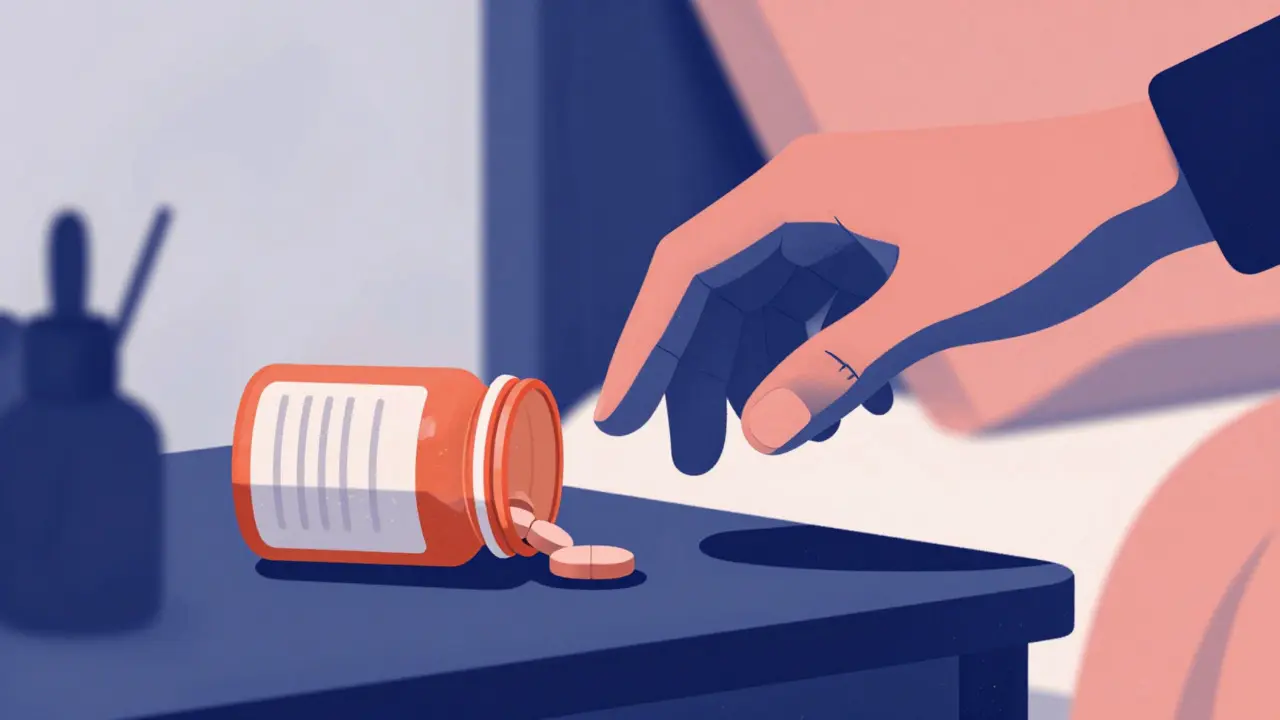
You have a headache. You reach for the bottle on your nightstand without thinking. It feels harmless because you didn't need a prescription to buy it. But that assumption can be dangerous. Over-the-counter (OTC) medications are pharmaceutical products available without a prescription that help people relieve symptoms and cure simple diseases without seeing a doctor. While they offer accessible relief for common ailments, misuse is a leading cause of preventable hospital visits. The reality is that OTC drugs contain the same active ingredients as prescription medications. The difference lies in the dosage and regulation. With over 300,000 marketed products containing more than 800 different active ingredients, knowing how to choose and use them correctly is a critical health skill. This guide breaks down exactly what you need to know to treat yourself safely.
Understanding the Basics of OTC Medications
Most people think of pain relievers when they hear "OTC," but the category is much broader. In the United States, the Food and Drug Administration (FDA) regulates these products strictly. The modern framework began with the FDA's OTC Drug Review in 1972, ensuring safety before products hit shelves. More recently, the Coronavirus Aid, Relief, and Economic Security (CARES) Act of 2020 modernized this process to address safety issues faster. Today, OTC medications cover approximately 80 diseases and conditions. This includes traditional pills for headaches and heartburn, but also extends to everyday items like fluoride toothpaste, antimicrobial mouthwash, lubricating eye drops, and dandruff shampoos containing selenium sulfide or zinc pyrithione. Understanding that these daily essentials are regulated as drugs helps highlight why proper usage matters.
Major Categories and Key Ingredients
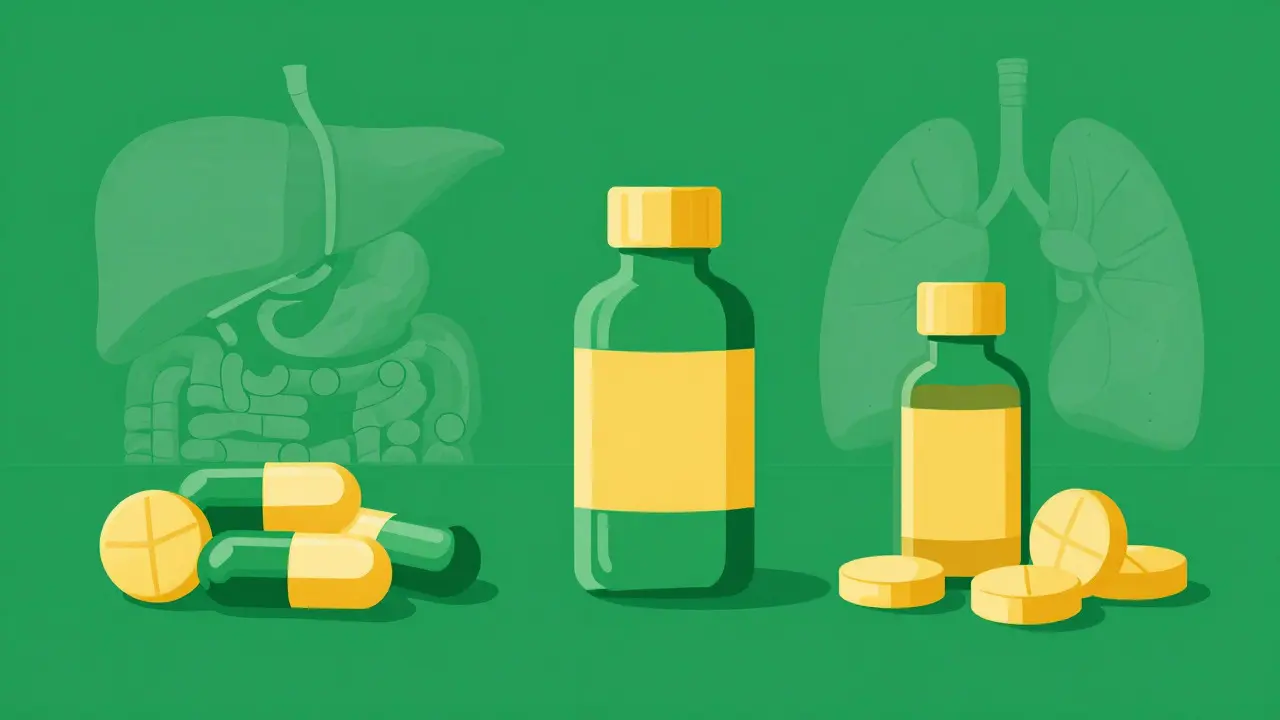
To use OTC meds effectively, you must understand what is inside the bottle. Most fall into three main therapeutic categories: pain relief, digestive health, and respiratory care. Each has specific active ingredients with distinct effects and risks.
| Category | Common Active Ingredients | Best Used For | Key Risks & Limits |
|---|---|---|---|
| Pain Relievers (Analgesics) | Acetaminophen (Tylenol), Ibuprofen (Advil), Naproxen (Aleve) | Headaches, muscle aches, fever | Acetaminophen: Liver damage if >3g/day. NSAIDs: Stomach bleeding, kidney issues. |
| Digestive Health | Bismuth subsalicylate (Pepto-Bismol), Antacids | Heartburn, nausea, upset stomach | Salicylates may interact with blood thinners. Long-term antacid use affects nutrient absorption. |
| Cough & Cold | Guaifenesin (Mucinex), Dextromethorphan, Pseudoephedrine | Congestion, cough suppression | Pseudoephedrine raises blood pressure. Multi-symptom formulas risk overdose if combined. |
Acetaminophen is often recommended as the first-line treatment for general pain because it is gentler on the stomach. However, it carries a severe risk of liver failure if the maximum daily dose of 3 grams (3,000 mg) is exceeded. This equals six extra-strength pills. Because acetaminophen is hidden in many multi-symptom cold medicines, accidental overdose is common. In contrast, Nonsteroidal Anti-Inflammatory Drugs (NSAIDs) like ibuprofen and naproxen reduce inflammation but irritate the stomach lining and can increase cardiovascular risks.
The Hidden Dangers of Self-Medication
The perception that OTC medications are universally safe creates dangerous complacency. Data from the American Liver Foundation shows that acetaminophen overdose accounts for approximately 56,000 emergency room visits annually in the US. Similarly, NSAID misuse causes about 103,000 hospitalizations each year due to gastrointestinal bleeding. One major issue is polypharmacy-the practice of taking multiple medications simultaneously. About 24% of adults aged 65 and older take five or more prescription drugs. Adding an OTC medication to this mix increases the chance of adverse interactions. For example, taking ibuprofen while on anticoagulants (blood thinners) significantly raises bleeding risks. Another hidden trap is the "nighttime" formula. Many consumers accidentally purchase nighttime cold remedies containing diphenhydramine (an antihistamine) when they only wanted daytime pain relief, leading to unexpected drowsiness and cognitive fog.
How to Read the Drug Facts Label
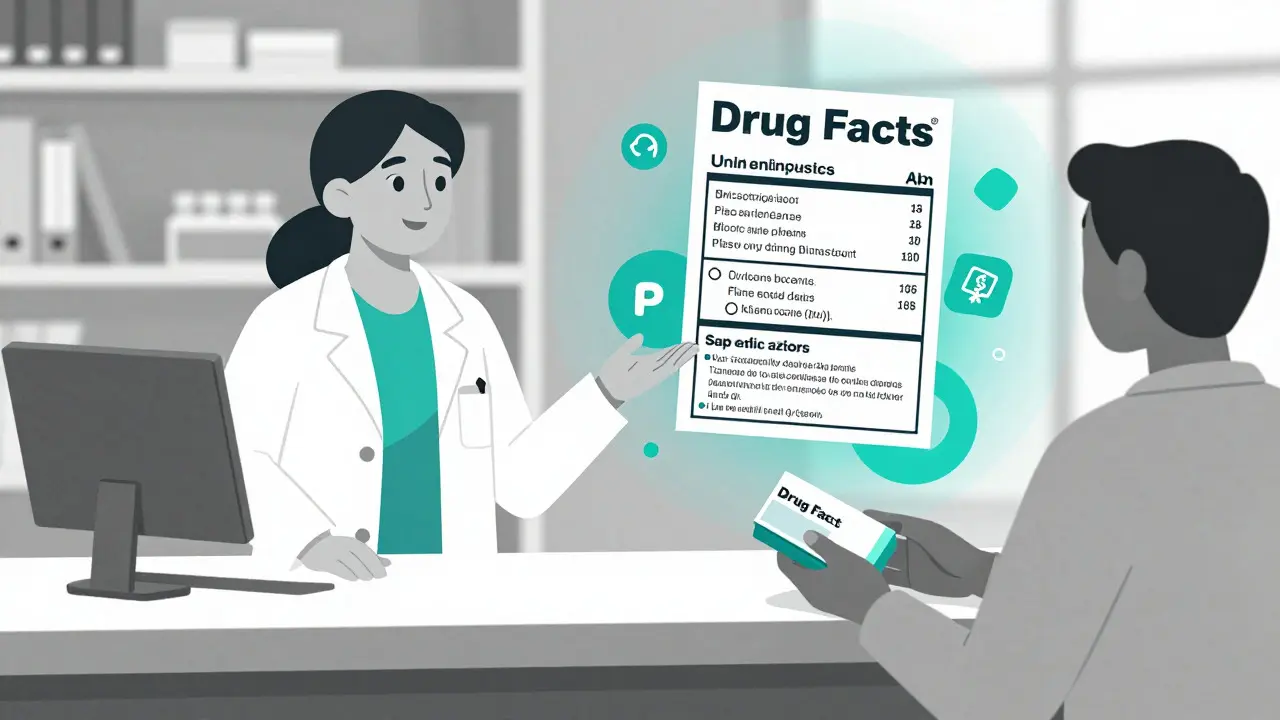
The FDA mandates a standardized "Drug Facts" label on all OTC medications. This label contains 11 specific elements, but most people skip reading it. Only 22% of consumers consistently read the entire label, according to FDA recommendations. Ignoring this information is the primary reason for medication errors. Focus on these four sections:
- Active Ingredients: Check if you are already taking another drug with this ingredient. Taking two products with acetaminophen doubles your dose instantly.
- Warnings: Look for contraindications. Do you have high blood pressure? Asthma? Kidney disease? These conditions often restrict which OTC meds you can take.
- Directions: Follow the timing and dosage precisely. "Do not exceed 6 tablets in 24 hours" is a hard limit, not a suggestion.
- Other Information: This includes storage instructions. Keep meds in a cool, dry area below 77°F (25°C). Heat degrades effectiveness.
Safety Checks Before You Take Any Pill
Before swallowing any OTC medication, run through this three-step verification process recommended by the American Society of Health-System Pharmacists. This routine reduces medication errors by 68%.
- Confirm Symptoms Match Uses: Are you treating the right problem? Using a decongestant for a sore throat won't help and adds unnecessary chemical load to your body.
- Check Active Ingredients Against Other Meds: Compare the OTC active ingredient with your current prescriptions. Even supplements can interact with drugs.
- Verify Dosing Based on Age and Weight: Adult dosing is not safe for children or elderly individuals with reduced organ function. Liquid medications pose particular risks for miscalculation.
Storage and Expiration Best Practices
Proper storage ensures your medication remains effective and safe. Most OTC medications have a shelf life of 2 to 3 years from the manufacture date. Always check the expiration date printed on the box or bottle. Using expired drugs doesn't always mean immediate danger, but potency decreases over time. Store medications in a cool, dry place away from direct sunlight. Bathrooms are poor storage locations due to humidity and temperature fluctuations from showers. Keep liquids capped tightly. If a liquid medicine changes color, smells odd, or develops particles, discard it immediately. Proper disposal is also key; do not flush most medications down the toilet unless instructed. Instead, use local drug take-back programs or mix unused pills with unpalatable substances like coffee grounds before throwing them in the trash to prevent accidental ingestion by pets or children.
When to Stop Self-Care and See a Doctor
OTC medications are designed for short-term symptom relief, not long-term cures. If your symptoms persist beyond the timeframe listed on the label-usually 3 to 7 days depending on the condition-it is time to see a healthcare provider. Persistent headaches, chronic heartburn, or ongoing coughs can signal underlying issues that require diagnostic testing. Additionally, watch for red flags. Severe abdominal pain after taking NSAIDs, yellowing of the skin or eyes (jaundice) after acetaminophen use, or difficulty breathing after taking any new medication requires immediate medical attention. Self-care is powerful, but knowing its limits is what keeps you safe.
What is the maximum daily dose of acetaminophen?
The maximum daily dose of acetaminophen for adults is generally 3 grams (3,000 mg) to prevent liver damage. This equals six extra-strength (500mg) pills or nine regular (325mg) pills. Always check all medications you take, as acetaminophen is present in many multi-symptom cold and flu products.
Can I take ibuprofen if I have high blood pressure?
Caution is advised. NSAIDs like ibuprofen can raise blood pressure and interfere with blood pressure medications. If you have unstable high blood pressure, consult your doctor before using ibuprofen regularly. Acetaminophen is often a safer alternative for pain relief in hypertensive patients.
Why should I avoid multi-symptom cold medicines?
Multi-symptom formulas contain several active ingredients. If you only have one symptom, such as a cough, you are unnecessarily exposing your body to other drugs, like decongestants or antihistamines, which carry their own side effects. Single-ingredient products allow you to target specific symptoms and reduce the risk of overdose or interaction.
How long do OTC medications last?
Most OTC medications have a shelf life of 2 to 3 years from the date of manufacture. Always check the expiration date on the packaging. Store them in a cool, dry place below 77°F (25°C) to maintain potency. Discard any medication that looks discolored, smells strange, or has passed its expiration date.
Is it safe to take OTC meds with prescription drugs?
Not always. Drug interactions can occur between OTC meds and prescriptions. For example, NSAIDs can increase bleeding risk when taken with blood thinners. Always inform your pharmacist or doctor about all OTC products you are using to ensure there are no harmful interactions.


Comments (8)