What Is Pediatric Sleep Apnea?
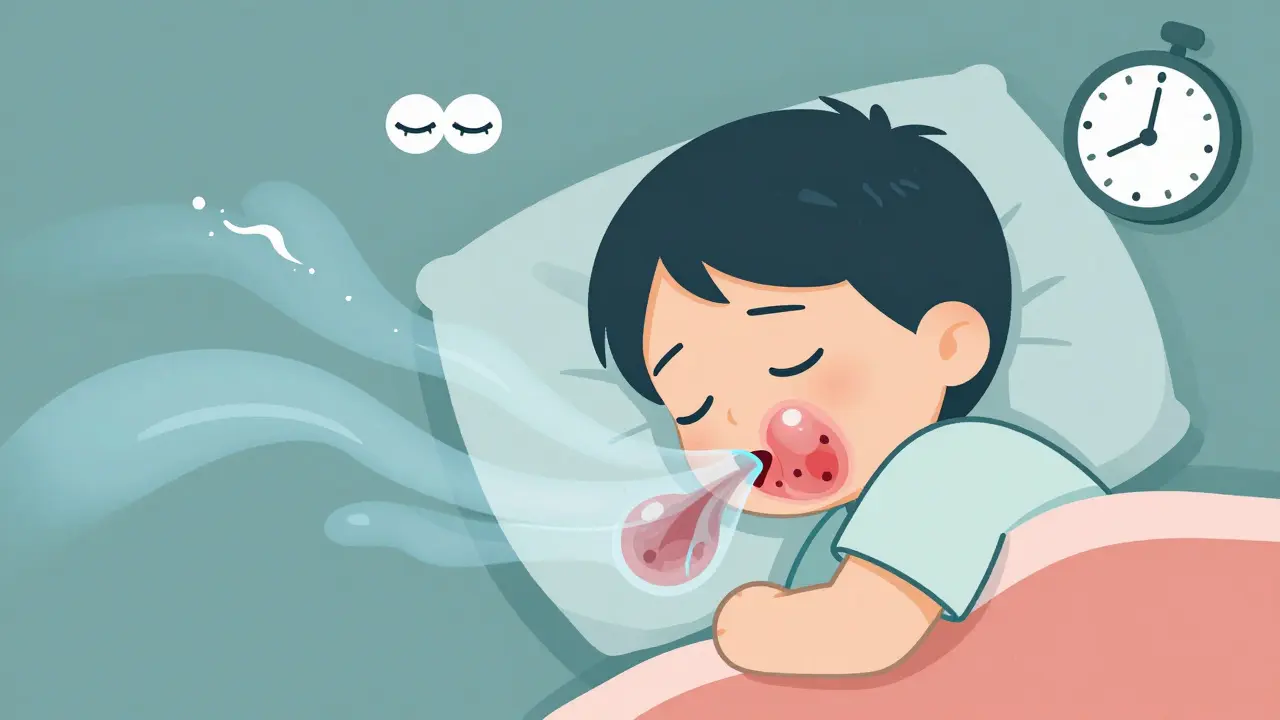
Pediatric sleep apnea happens when a child’s breathing repeatedly stops and starts during sleep. It’s not just snoring-it’s a serious condition where the airway gets blocked, often by enlarged tonsils or adenoids. This forces the child to work harder to breathe, which fragments their sleep and lowers oxygen levels. Kids with this condition might snore loudly, gasp for air, or sleep in strange positions to keep their airway open. They often wake up tired, have trouble focusing in school, or act out like they have ADHD. Left untreated, it can affect their growth, heart health, and brain development.
Why Tonsils and Adenoids Are the Main Culprits
In children, the tonsils and adenoids are naturally larger relative to the size of their airway. Between ages 2 and 6, these tissues often swell due to frequent colds or allergies, and that’s when sleep apnea peaks. The adenoid, tucked behind the nose, and the tonsils, on either side of the throat, can physically block airflow when they get too big. Unlike adults, where obesity is the top cause, kids usually have this problem because of anatomy-not weight. Studies show that over 70% of children with moderate to severe sleep apnea have enlarged tonsils and adenoids as the main issue. Removing them doesn’t just help with breathing-it can improve behavior, attention, and even school performance.
Adenotonsillectomy: The First-Line Treatment
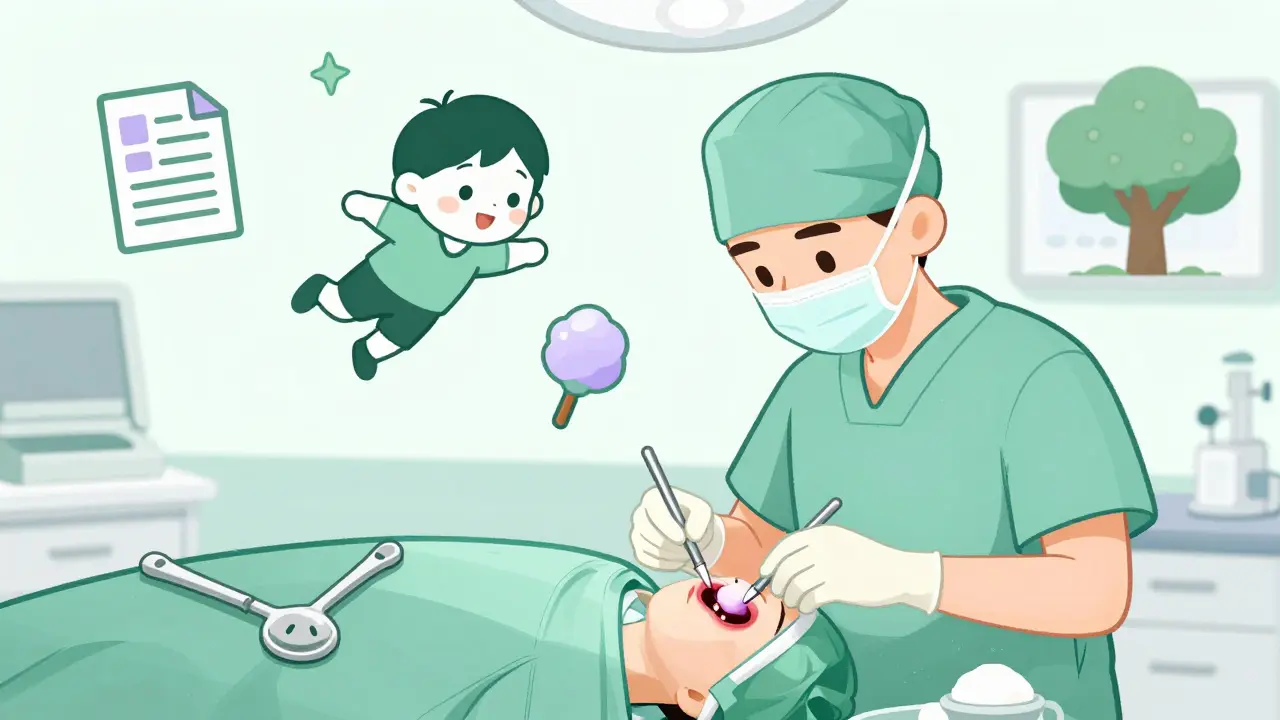
Doctors recommend removing both the tonsils and adenoids together in most cases. This surgery, called adenotonsillectomy, is the most common and effective first step. Research from the American Academy of Pediatrics shows it works well in 70-80% of healthy children with no other health problems. The surgery is done under general anesthesia and usually takes less than an hour. Recovery takes about a week to two weeks, with soft foods and rest required. Some hospitals now offer partial tonsillectomy, where only part of the tonsil is removed. This reduces pain and bleeding by nearly half, and kids go back to normal faster. But even with surgery, not every child is cured. About 20-30% still have symptoms afterward, especially if they’re overweight, have a jaw structure issue, or have other medical conditions.
When CPAP Becomes Necessary
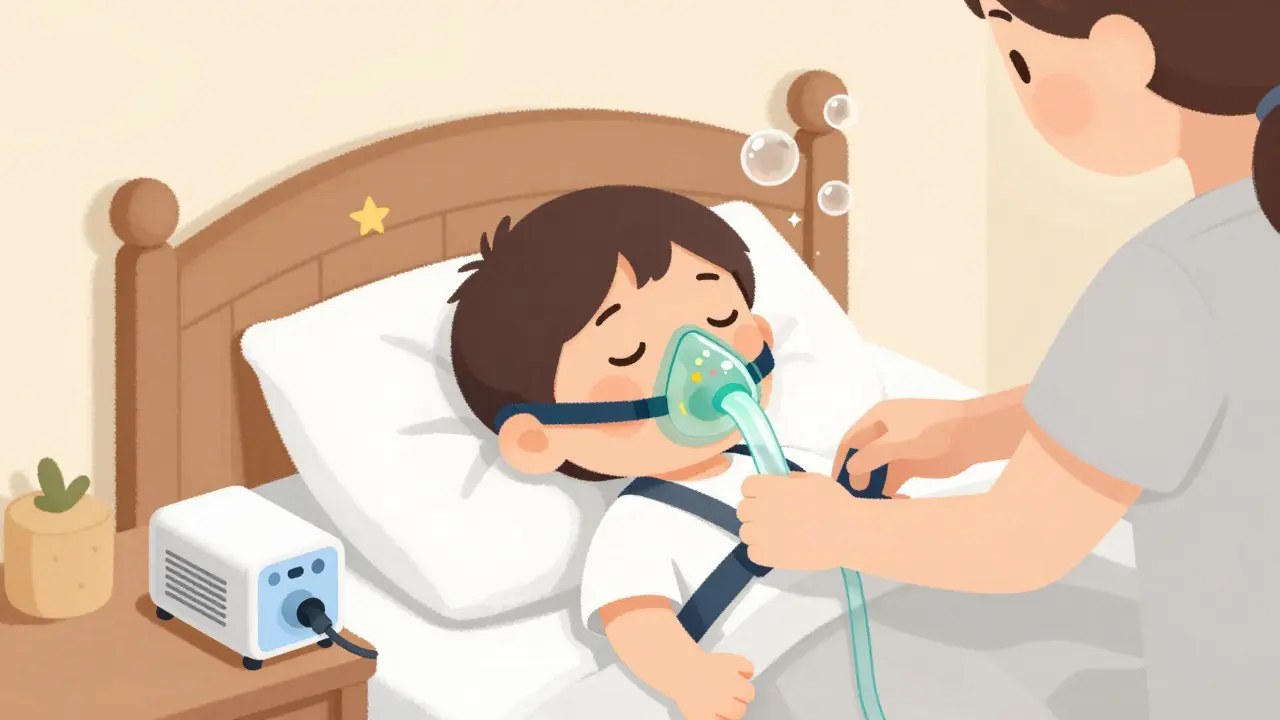
Continuous Positive Airway Pressure (CPAP) is the go-to option when surgery doesn’t work-or isn’t an option. CPAP uses a small machine to blow gentle air through a mask worn over the nose or face during sleep. This air keeps the throat open so breathing doesn’t stop. For kids, pressure settings are usually between 5 and 12 cm H₂O, adjusted during a sleep study to find the right level. CPAP is highly effective-up to 95% of kids see their breathing problems disappear if they use it consistently. But getting a child to wear the mask every night is tough. Many kids find it uncomfortable, scary, or claustrophobic. Studies show 30-50% of children don’t stick with it long-term. The key is finding the right mask size, using a gradual introduction plan, and making it part of the bedtime routine. Masks need to be replaced every 6-12 months as the child grows.
Who Needs CPAP Instead of Surgery?
Not every child is a candidate for surgery. CPAP is preferred when kids have neuromuscular disorders like cerebral palsy, craniofacial abnormalities like Down syndrome, or severe obesity. It’s also used if sleep apnea returns after surgery. Children with very small tonsils but persistent breathing problems often need CPAP because the issue isn’t physical blockage-it’s muscle control. UChicago Medicine and other top pediatric centers use CPAP for young children, those with neurological conditions, and those with severe apnea-even if they’re otherwise healthy. It’s not the first choice, but it’s life-changing when surgery isn’t enough.
Other Treatments You Might Not Know About
There are other options besides surgery and CPAP. For kids with narrow palates, rapid maxillary expansion uses a dental device to widen the upper jaw over 6-12 months. This can open up the airway and reduce apnea episodes in about 60-70% of cases. Inhaled nasal steroids, like fluticasone, can shrink swollen tonsils and adenoids over 3-6 months, helping mild cases. Some doctors also prescribe montelukast, a daily pill used for asthma, which may reduce inflammation in the airway tissues. These aren’t quick fixes-they take months to work-but they’re helpful for kids who can’t have surgery or need to delay it. New research is even looking at targeted drug therapies that block specific inflammatory signals, showing promise in early trials.
What Happens After Treatment?
Even after surgery or starting CPAP, follow-up is critical. The American Thoracic Society recommends a repeat sleep study 2-3 months after adenotonsillectomy to make sure the airway is truly clear. Symptoms can come back if the adenoids regrow, if the child gains weight, or if new allergies develop. For CPAP users, mask fit and pressure settings need regular checks. Kids grow fast-what fit last year won’t fit this year. If breathing problems return, doctors may adjust the CPAP pressure or try a different mask. Some children develop a new type of sleep apnea called complex sleep apnea after surgery, where the brain stops signaling the muscles to breathe. In those cases, CPAP settings are fine-tuned, and sometimes additional support is needed.
Real Challenges Families Face
Parents often feel overwhelmed. Surgery means worrying about anesthesia, pain, and recovery. CPAP means battles over masks, noise, and sleepless nights for everyone. Many families struggle to get their child to wear the mask. One parent shared that their 5-year-old would rip the mask off every night until they started using a favorite stuffed animal with its own tiny mask-making it feel like a game. Others use reward charts, nightlights, and consistent routines. The biggest mistake? Giving up too soon. Most kids adapt within 2-8 weeks with patience and support. Pediatric sleep specialists can help with mask fittings, behavioral strategies, and troubleshooting. You’re not alone-and help is available.
What’s Next for Pediatric Sleep Apnea?
Research is moving fast. In 2022, the FDA approved a new device that stimulates the nerve controlling the tongue to keep it from blocking the airway during sleep. It’s only used in rare, severe cases so far, but it’s a sign of things to come. Doctors are also using something called drug-induced sleep endoscopy-giving a child light sedation to watch their airway collapse in real time during sleep. This helps surgeons plan exactly where to cut, making procedures more precise. Meanwhile, better CPAP machines are becoming smaller, quieter, and easier for kids to tolerate. The goal isn’t just to stop apneas-it’s to help children sleep deeply, grow normally, and thrive in school and life.
When to See a Doctor
If your child snores loudly most nights, stops breathing during sleep, sweats excessively at night, sleeps in odd positions, or seems tired or irritable during the day, talk to your pediatrician. Don’t assume it’s just normal snoring. A sleep study is the only way to know for sure. Early diagnosis means early treatment-and better outcomes. Most children respond well to the right intervention, whether it’s surgery, CPAP, or another option. The key is not waiting.
Are enlarged tonsils always the cause of pediatric sleep apnea?
Not always. While enlarged tonsils and adenoids are the most common cause-especially in kids aged 2 to 6-other factors can contribute. These include obesity, craniofacial abnormalities like a small jaw, neuromuscular disorders, or even allergies that cause swelling. Some children have normal-sized tonsils but still have sleep apnea because their airway muscles are too relaxed during sleep. That’s why a sleep study is needed to find the real cause.
Is adenotonsillectomy safe for young children?
Yes, it’s one of the most common pediatric surgeries and is generally very safe. The biggest risks are bleeding (1-3%) and breathing problems after surgery (0.5-1%), especially in children under 3 or those with other health issues. Most children recover fully within two weeks. Hospitals now use techniques like partial tonsillectomy to reduce pain and complications. The benefits-better sleep, improved behavior, and healthier growth-usually far outweigh the risks.
Can my child outgrow sleep apnea without treatment?
Sometimes, especially if the cause is temporary, like a cold or allergy. But if the apnea is caused by enlarged tonsils or adenoids, it’s unlikely to resolve on its own. In fact, untreated sleep apnea can lead to lasting problems: learning delays, high blood pressure, heart strain, and even slowed growth. Waiting to see if it gets better can cost your child more than just sleep-it can affect their development.
How do I know if CPAP is working for my child?
You’ll notice changes within days or weeks: less snoring, fewer night awakenings, better mood, and more energy during the day. The machine itself tracks usage and breathing events-you can review this data with your sleep specialist. A follow-up sleep study is the best way to confirm the apnea has resolved. If your child still wakes up tired or snores, the pressure may need adjusting or the mask may not fit right.
What if my child refuses to wear the CPAP mask?
It’s common, and there are ways to help. Start by letting your child play with the mask during the day without the machine. Use positive reinforcement-stickers, charts, or small rewards. Try different mask styles (nasal pillows, full face, or ones with soft padding). Some families use a favorite stuffed animal with its own mask to make it feel normal. Work with a pediatric sleep therapist who specializes in helping kids adapt. Most children adjust within a few weeks with consistent support.
Do I need to keep using CPAP forever?
Not necessarily. Many children outgrow the need for CPAP as they grow older and their airways develop. Others need it long-term, especially if they have underlying conditions like Down syndrome or obesity. Regular follow-ups with a sleep specialist help determine if the CPAP can be reduced or stopped. A repeat sleep study every 1-2 years is often recommended to check progress.
Can allergies make pediatric sleep apnea worse?
Yes. Allergies cause swelling in the nose and throat, which can narrow the airway even more. Kids with allergies and enlarged tonsils often have worse symptoms. Treating allergies with nasal steroids, antihistamines, or avoiding triggers can improve breathing and sometimes reduce the need for surgery or CPAP. It’s important to manage allergies as part of the overall treatment plan.


Comments (12)