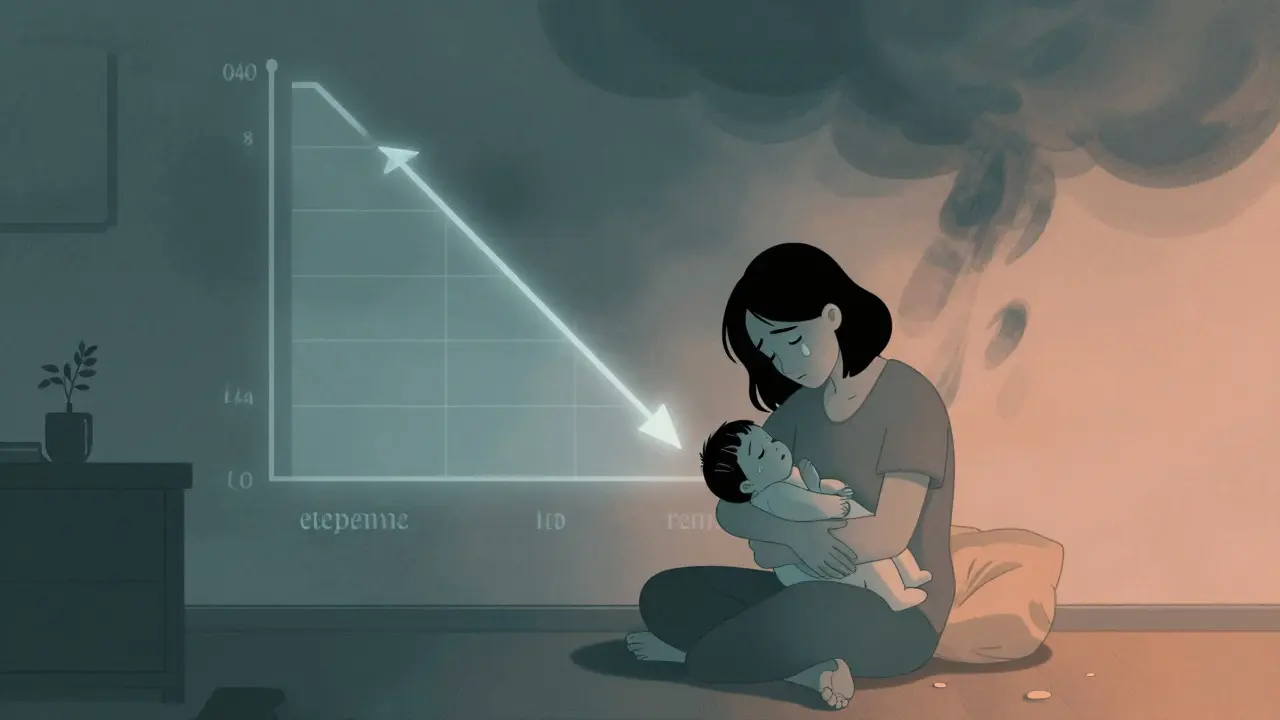
What Postpartum Depression Really Is
Postpartum depression isn’t just feeling tired or overwhelmed after having a baby. It’s a real medical condition that affects about 1 in 7 new mothers. Unlike the baby blues-those fleeting mood swings most women feel in the first few days after delivery-postpartum depression lasts longer, hits harder, and doesn’t just go away on its own. Symptoms can include constant sadness, feeling disconnected from your baby, trouble sleeping even when the baby is asleep, intense irritability, and even thoughts of harming yourself or your child. These aren’t signs of weakness or poor parenting. They’re signs your brain and body are struggling to adjust.
It can start anytime within the first year after birth, though many women begin noticing symptoms during pregnancy. About 30% of women who’ve had postpartum depression once will get it again with a future baby. And it’s not just mothers-up to 1 in 10 new fathers experience it too. Transgender and adoptive parents are also affected at similar rates. This isn’t rare. It’s common. And it’s treatable.
The Hormonal Rollercoaster After Birth
Right after delivery, your body goes through one of the biggest hormonal shifts in human biology. Estrogen and progesterone, which soared during pregnancy, drop faster than a rock off a cliff. Within 48 to 72 hours, they crash back to pre-pregnancy levels. That’s not a slow fade-it’s a sudden freefall. Your brain, which had adapted to months of high hormone levels, suddenly has to rewire itself overnight.
One key player is allopregnanolone, a metabolite of progesterone that helps calm your nervous system. When progesterone plummets, so does allopregnanolone. This can trigger anxiety, irritability, and low mood. Some studies suggest women who develop postpartum depression have a heightened sensitivity to these changes-not because their hormone levels are different from others, but because their brains respond differently to them.
But here’s the twist: multiple studies have found no consistent difference in hormone levels between women who get postpartum depression and those who don’t. So hormones alone don’t cause it. They’re more like the match that lights a fire in someone already carrying fuel-genetic risk, past trauma, lack of sleep, isolation, financial stress, or a history of depression. Hormones don’t act alone. They team up with life circumstances to tip the balance.
What Else Triggers Postpartum Depression?
While hormones get the most attention, they’re only part of the story. The real picture is messier-and more human. A history of depression, especially during pregnancy, is one of the strongest predictors. So is a lack of support. If you’re isolated, overwhelmed, or stuck in a toxic relationship, your risk goes up. Sleep deprivation? That’s not just a joke new parents tell. Chronic lack of sleep rewires your brain’s emotional regulation centers. It makes you more reactive, more anxious, more prone to despair.
Financial strain matters too. Studies show women with lower incomes are at higher risk. So are those who experienced trauma during pregnancy or birth-whether physical, emotional, or both. Even something as simple as an unplanned pregnancy can increase vulnerability. And race plays a role: CDC data shows American Indian and Alaska Native mothers face postpartum depression rates as high as 20.1%, nearly double that of non-Hispanic white mothers. That’s not biology-it’s systemic. Lack of access to care, cultural stigma, and economic inequality all contribute.
And it’s not just moms. Partners, adoptive parents, and non-biological caregivers can develop postpartum depression too. The stress of adjusting to a newborn, the pressure to be perfect, the loss of personal freedom-these affect everyone. If you’re feeling this way, no matter your role, you’re not alone. And you’re not broken.
Proven Treatments: What Actually Works
Treatment doesn’t mean just popping a pill. It means finding the right mix of support, therapy, and sometimes medication. The most effective approach is usually a combination of talk therapy and, if needed, medication.
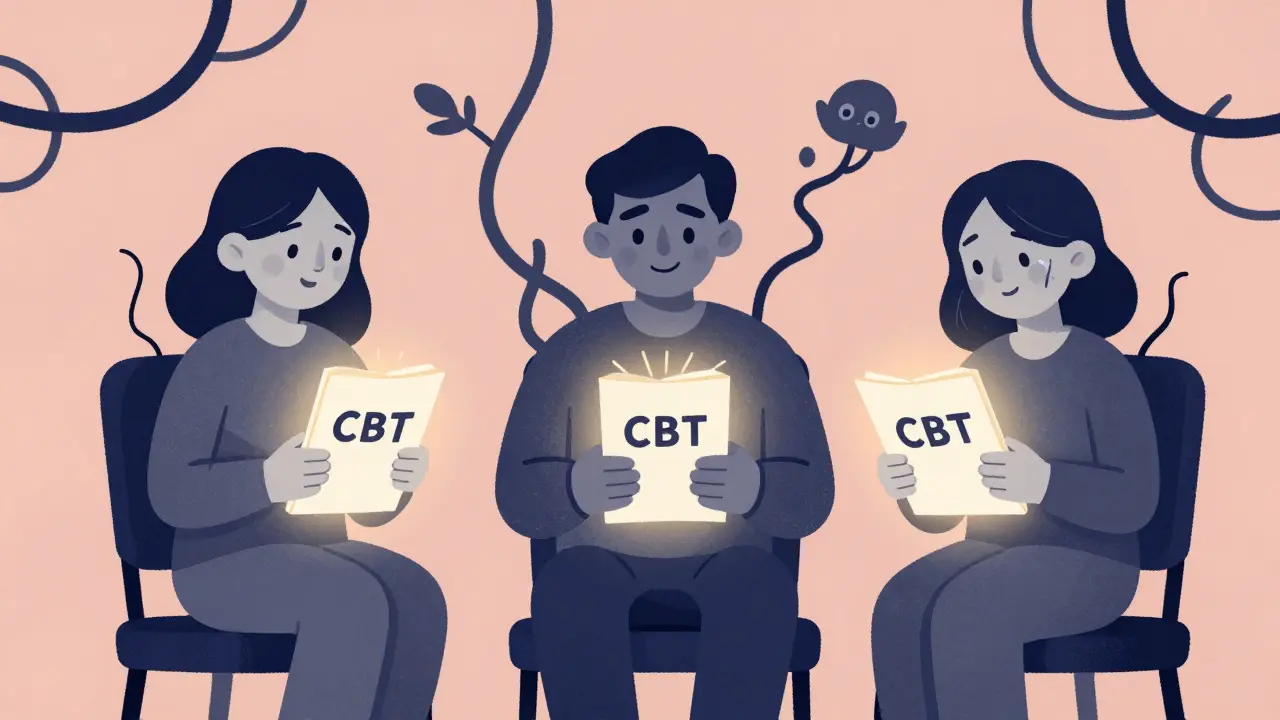
Cognitive behavioral therapy (CBT) has been shown to help more than half of women with postpartum depression. It helps you spot negative thought patterns-like “I’m a terrible mom” or “My baby would be better off without me”-and replace them with more realistic, kinder ones. Group therapy and peer support are also powerful. Programs like Postpartum Support International connect new parents with others who’ve been there. One survey found 87% of callers said the support was “helpful” or “very helpful.”
When medication is needed, SSRIs like sertraline are often the first choice. Why? Because they’re safe during breastfeeding. Studies show very little passes into breast milk, and no major side effects have been linked in babies. Other antidepressants, like fluoxetine or escitalopram, are also used, but sertraline has the strongest safety record for nursing mothers.
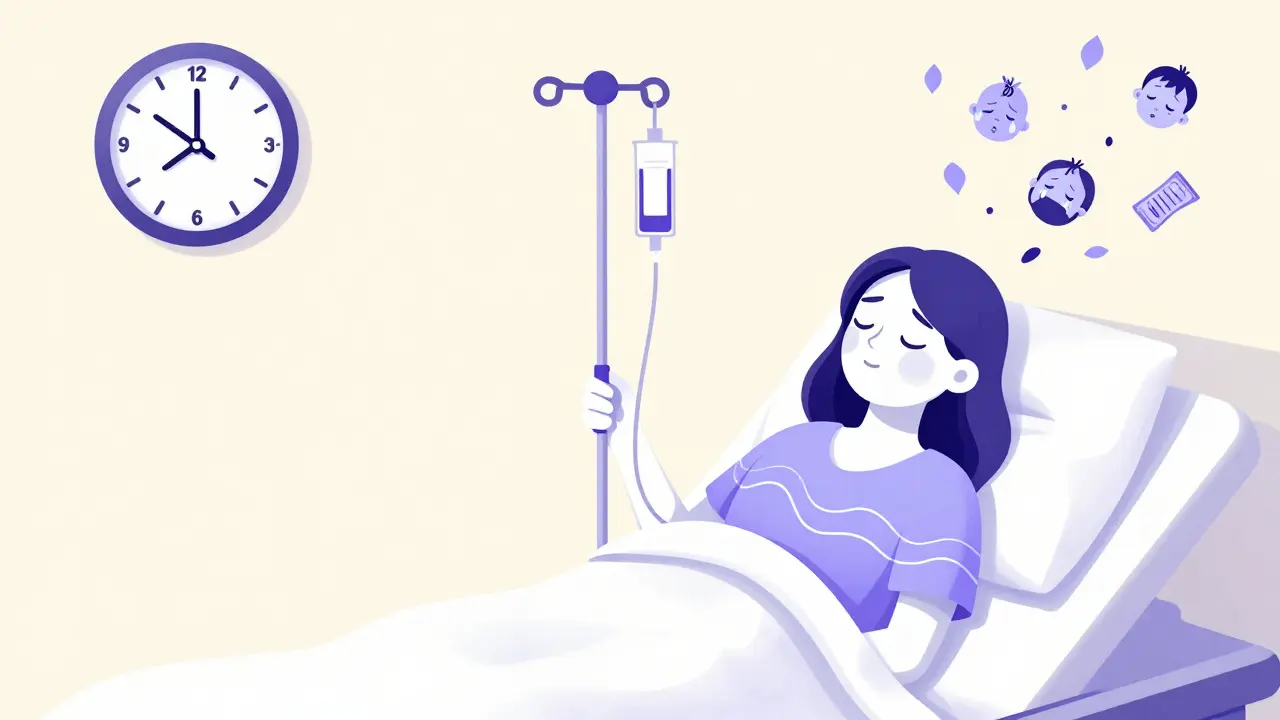
For severe cases, newer treatments are changing the game. Brexanolone (Zulresso), an IV infusion of allopregnanolone, was approved by the FDA in 2019. It works fast-sometimes in hours-but requires 60 hours of hospital monitoring because it can cause extreme drowsiness. In 2023, the FDA approved zuranolone (Zurzuvae), the first oral version. It’s taken for two weeks and offers similar benefits without the IV drip. These aren’t miracle cures, but they’re breakthroughs for women who haven’t responded to other treatments.
What Doesn’t Work (And Why)
Some people think “just take a nap” or “get more sunshine” will fix postpartum depression. It won’t. You can’t think your way out of it. You can’t “snap out of it.” And you can’t rely on hormones alone to heal you.
While estrogen therapy showed promise in small 2001 studies-82% of women improved with sublingual estradiol-it’s not recommended today. Why? Because of risks: blood clots, stroke, and possible interference with milk supply. The same goes for progesterone supplements. No major medical group endorses them as standard treatment.
And don’t believe the myth that breastfeeding prevents depression. While oxytocin-the “bonding hormone” released during nursing-can help reduce stress, low oxytocin levels during pregnancy are actually linked to higher depression risk. Breastfeeding doesn’t cure it. But it can help, if it’s something you want to do without guilt.
Screening and Getting Help
The Edinburgh Postnatal Depression Scale (EPDS) is the most trusted screening tool worldwide. It’s a simple 10-question quiz doctors use to spot depression. A score of 10 or higher usually means you need follow-up. In Massachusetts, screening is required by law. Other states are catching up. But many OB-GYNs still don’t screen regularly-78% say they feel unprepared to handle it.
If you’re reading this and thinking, “That’s me,” here’s what to do next:
- Take the EPDS online-it’s free and confidential.
- Call your doctor or midwife. Say: “I’m not okay. I think I might have postpartum depression.”
- If you’re in crisis, call or text 988 (Suicide & Crisis Lifeline) or visit postpartum.net.
- Don’t wait for it to get worse. Treatment works faster when started early.
You don’t need to suffer in silence. You don’t need to be strong. You just need help. And help is available.
What You Can Do Right Now
If you’re supporting someone with postpartum depression, your role matters more than you know. Don’t say, “You’re lucky to have a healthy baby.” Say, “I’m here. What do you need?” Bring meals. Hold the baby while they nap. Listen without fixing. Avoid judgment. Shame keeps people quiet.
If you’re the one struggling, give yourself permission to ask for help. Say no to extra obligations. Let someone else handle the dishes. Sleep when the baby sleeps-even if it’s just 20 minutes. Reach out to a friend. Call a hotline. Text a stranger on a support group. You’re not failing. You’re human.
Postpartum depression doesn’t mean you’re a bad parent. It means you’re going through something hard-and you deserve care, not criticism. Recovery isn’t about bouncing back. It’s about moving forward, one small step at a time.
Is postpartum depression the same as baby blues?
No. Baby blues are mild mood swings that start a few days after birth and usually fade within two weeks. Postpartum depression is more intense, lasts longer (weeks to months), and interferes with daily life. Symptoms include persistent sadness, inability to bond with the baby, panic attacks, or thoughts of self-harm. If symptoms last beyond two weeks or get worse, it’s not baby blues.
Can I take antidepressants while breastfeeding?
Yes, many are safe. Sertraline is the most commonly recommended because it passes into breast milk in very small amounts and has no known negative effects on babies. Other options like escitalopram and nortriptyline are also considered low-risk. Always talk to your doctor before starting any medication. The benefits of treating depression usually outweigh the risks of medication exposure through breast milk.
How long does postpartum depression last?
Without treatment, it can last months or even years. With proper care-therapy, medication, or both-most people start feeling better within 4 to 8 weeks. Full recovery often takes 3 to 6 months. The earlier you get help, the faster you’ll recover. Delaying treatment increases the risk of it becoming chronic.
Can men get postpartum depression too?
Yes. Up to 1 in 10 new fathers experience depression after a baby is born. Risk factors include sleep deprivation, financial stress, relationship strain, and a partner with postpartum depression. Symptoms are similar: irritability, withdrawal, fatigue, loss of interest in activities. Men are less likely to seek help, but treatment works just as well for them.
Are there natural remedies for postpartum depression?
Exercise, sunlight, and good nutrition can help improve mood, but they’re not enough on their own for moderate to severe depression. Omega-3 supplements and vitamin D may support brain health, but they don’t replace therapy or medication. Avoid herbal remedies like St. John’s Wort-they can interfere with breastfeeding and interact dangerously with antidepressants. Always talk to your doctor before trying any supplement.
What should I do if I’m having thoughts of harming myself or my baby?
Call 988 (Suicide & Crisis Lifeline) immediately, or go to the nearest emergency room. You are not a bad person. You are in crisis, and you need urgent help. These thoughts are a symptom of severe depression-not a reflection of your character. Help is available, and recovery is possible. You are not alone.


Comments (12)