You’ve probably seen them everywhere. From yogurt ads to sleek bottles on pharmacy shelves, probiotics are marketed as the ultimate fix for everything from bloating to immune support. But here is the uncomfortable truth: most people take probiotics without knowing if they actually work for their specific issue. The science isn’t black and white. It’s messy, strain-specific, and often misunderstood.
So, do you need that expensive supplement? Or is it just a pricey placebo? Let’s cut through the noise and look at what the data says about live microorganisms that confer health benefits when consumed in adequate amounts. We’ll break down which strains actually have evidence behind them, who should avoid them, and how to pick one that won’t just sit in your stomach doing nothing.
The Basics: What Are Probiotics Really?
To understand why some probiotics work and others don’t, you first need to know what you’re buying. According to the International Scientific Association for Probiotics and Prebiotics (ISAPP), probiotics are live microbes that provide a health benefit to the host. That definition sounds simple, but it hides a major catch: "adequate amounts" and "specific strains."
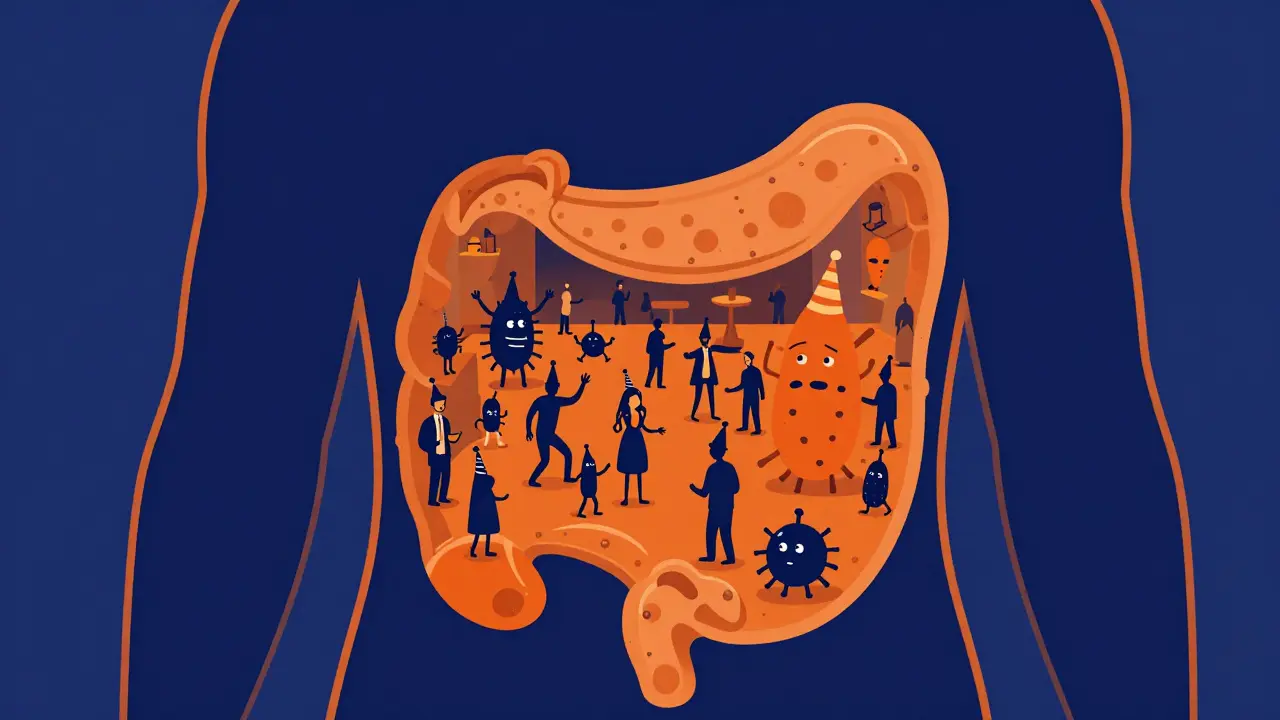
Your gut contains roughly 100 trillion microorganisms from over 1,000 different species. About 95% of these belong to just 40-50 dominant species. When you take a probiotic, you aren’t just adding "good bacteria." You are introducing specific guests into a crowded, highly regulated party. If those guests don’t fit in, or if you don’t invite enough of them, they get kicked out by your existing microbiome before they can do any good.
This is why generic labels like "supports gut health" are so vague. A probiotic isn’t a single product; it’s a combination of genus, species, and strain. For example, Lactobacillus acidophilus is a common lactic acid bacterium found in the human intestine is not the same as Lactobacillus rhamnosus GG (LGG) is a well-researched strain specifically effective for infectious diarrhea. They share a family name, but their jobs are completely different.
Where the Evidence Is Strong
If you’re looking for proven benefits, the data points clearly to two main areas: acute infectious diarrhea in children and antibiotic-associated diarrhea (AAD). These aren’t minor claims; they’re backed by rigorous clinical trials.
Acute Infectious Diarrhea: A massive 2020 Cochrane Review analyzed 82 randomized controlled trials involving over 12,000 participants. The result? Probiotics reduced the risk of diarrhea lasting more than 48 hours by 36%. Specifically, strains like LGG and Saccharomyces boulardii is a beneficial yeast used to treat gastrointestinal disorders shortened the duration of illness by about one day. This is significant for parents dealing with sick toddlers.
Antibiotic-Associated Diarrhea: Antibiotics kill bad bacteria, but they also wipe out the good stuff, leading to nasty side effects. Systematic reviews show that taking LGG doses ranging from 4×10⁸ to 12×10¹⁰ CFU daily can reduce the risk of AAD from 22.4% to 12.3%. To make this work, timing is critical. You must take the probiotic at least two hours apart from your antibiotic dose. Otherwise, the antibiotic kills the probiotic before it can colonize.

The Gray Areas: IBS, IBD, and General Wellness
Here is where things get tricky. Many people buy probiotics for Irritable Bowel Syndrome (IBS) or Inflammatory Bowel Disease (IBD), hoping for relief. The evidence here is mixed at best.
For IBS, results vary wildly. Some studies show reduced pain and bloating with specific strains like Lactobacillus plantarum DSM 9843 is a strain shown to improve microbial stability in IBS patients, while others show no effect. The American Gastroenterological Association (AGA) notes that while some probiotics may offer modest benefits for ulcerative colitis (a type of IBD), there is little evidence they help with Crohn’s disease. In fact, the AGA explicitly recommends against using probiotics for acute pouchitis.
Dr. Purna Kashyap from Mayo Clinic puts it bluntly: "Probiotics are not a one-size-fits-all solution." Your baseline microbiome composition matters. If your gut ecosystem is already resistant to colonization, even a clinically proven strain might slide right through you without sticking around.
| Strain | Primary Use | Evidence Strength | Key Note |
|---|---|---|---|
| Lactobacillus rhamnosus GG (LGG) | Acute diarrhea, AAD prevention | Strong | Reduce diarrhea duration by ~1 day |
| Saccharomyces boulardii | Acute diarrhea, C. diff prevention | Strong | Yeast-based; shelf-stable |
| Lactobacillus plantarum DSM 9843 | IBS symptoms | Moderate | May reduce bloating/pain |
| Multi-strain blends | General wellness | Weak/Mixed | Lack specific strain-disease evidence |
How to Choose a Supplement That Works
Not all bottles on the shelf are created equal. With a global market valued at over $50 billion, quality control is a real issue. A 2019 ConsumerLab test found that 30% of probiotic supplements contained fewer live organisms than claimed on the label. Worse, some contained none at all.
Here is your checklist for picking a reliable product:
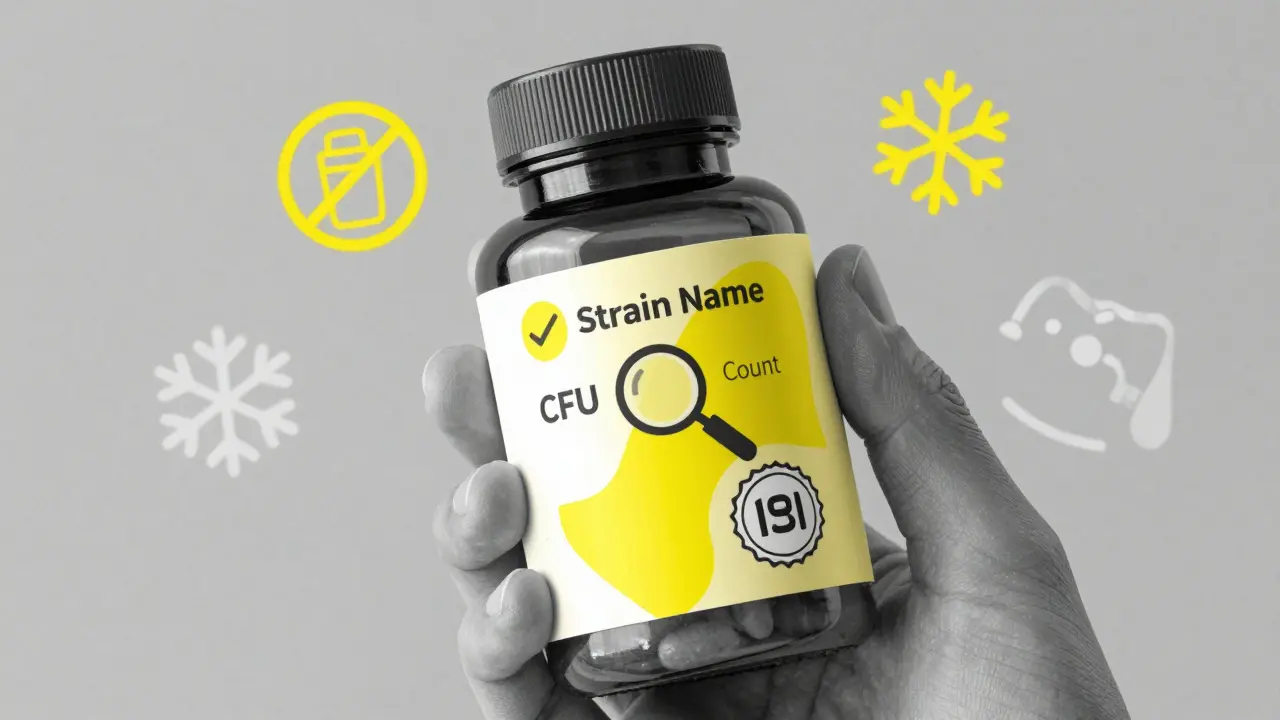
- Check the Strain: Look for the full scientific name (e.g., Lactobacillus rhamnosus GG). If it just says "Lactobacillus blend," walk away. You need to know exactly what you’re getting.
- Verify the CFU Count: Colony-forming units (CFU) measure viability. For diarrhea prevention, aim for at least 10¹⁰ CFU daily. Remember, higher isn’t always better, but too low is useless.
- Look for Third-Party Testing: Brands verified by USP or NSF International are more likely to contain what they promise. This is crucial because regulatory oversight varies globally.
- Storage Matters: Some strains, like VSL#3, require refrigeration to stay alive. Others, like Saccharomyces boulardii, are shelf-stable. Check the label carefully.
Pitfalls and Side Effects
Probiotics are generally safe for healthy individuals, but they aren’t harmless. The most common complaint is temporary gas and bloating during the first few days of use. About 37% of negative reviewers report this initial adjustment period. Cleveland Clinic notes these symptoms usually resolve within a week as your gut adjusts.
However, there are serious risks for certain groups. Immunocompromised patients, such as those undergoing chemotherapy or with severe illnesses, should consult a doctor before taking probiotics. There are rare case reports of bacteremia (blood infection) caused by probiotic strains in severely ill patients. Also, if you have a central venous catheter, avoid Saccharomyces boulardii due to the risk of fungemia.
Another pitfall is expectation management. Probiotics are not magic bullets. They complement, not replace, conventional medical treatments. Don’t stop prescribed medication for IBD or chronic conditions in favor of a supplement without medical advice.
The Future: Precision Probiotics
The industry is moving toward personalization. Companies like Viome and Thryve now offer microbiome testing to recommend customized probiotic formulations. This makes sense given the individual variability in response. Research in 2024 also suggests certain strains may influence metabolism and insulin sensitivity, opening doors for weight management applications beyond just digestion.
As we move into 2026, the focus is shifting from "more bugs" to "right bugs." The FDA has granted Qualified Health Claim status to LGG for reducing acute infectious diarrhea in children, signaling a trend toward stricter, evidence-based labeling. Expect to see more transparency and less marketing fluff in the coming years.
Do probiotics really help with bloating?
It depends on the cause of the bloating. For general digestive discomfort, evidence is mixed. However, specific strains like Lactobacillus plantarum DSM 9843 have shown promise in reducing bloating and abdominal pain in patients with Irritable Bowel Syndrome (IBS). Generic multi-strain blends often lack sufficient evidence for this specific symptom.
When is the best time to take probiotics?
Timing matters mostly if you are taking antibiotics. In that case, take the probiotic at least two hours apart from your antibiotic dose to prevent the antibiotic from killing the probiotic. For general use, consistency is key-taking them at the same time each day, preferably with food, can help ensure survival through stomach acid.
Are probiotics safe for everyone?
For most healthy adults, yes. However, they pose risks for immunocompromised individuals, those with severe illnesses, or people with central venous catheters. In these cases, probiotics can lead to serious infections like bacteremia or fungemia. Always consult a healthcare provider if you fall into these categories.
Why do some probiotics require refrigeration?
Some bacterial strains are sensitive to heat and moisture, which degrade their viability over time. Refrigeration helps maintain the colony-forming unit (CFU) count until expiration. Yeast-based probiotics like Saccharomyces boulardii are generally more stable and can be stored at room temperature.
Can probiotics cure Crohn's disease?
No. Current evidence does not support the use of probiotics for treating Crohn's disease. While they may offer modest benefits for ulcerative colitis in some cases, the American Gastroenterological Association advises against relying on them for Crohn's management. They should never replace standard medical therapy.


Comments (9)