Every year, thousands of people end up in emergency rooms because they took a supplement with their medicine - and didn’t realize it could be dangerous. It’s not just about vitamins. It’s about what’s hidden in those bottles labeled ‘natural’ or ‘herbal.’ You might think, ‘It’s just a pill from the store,’ but some supplements can turn your heart medication into a useless piece of paper, or make your blood too thin to stop bleeding. If you’re on any prescription drug - even something as common as blood pressure pills, birth control, or antidepressants - you need to ask seven hard questions before reaching for that supplement.
Does this supplement change how your body processes your medicine?
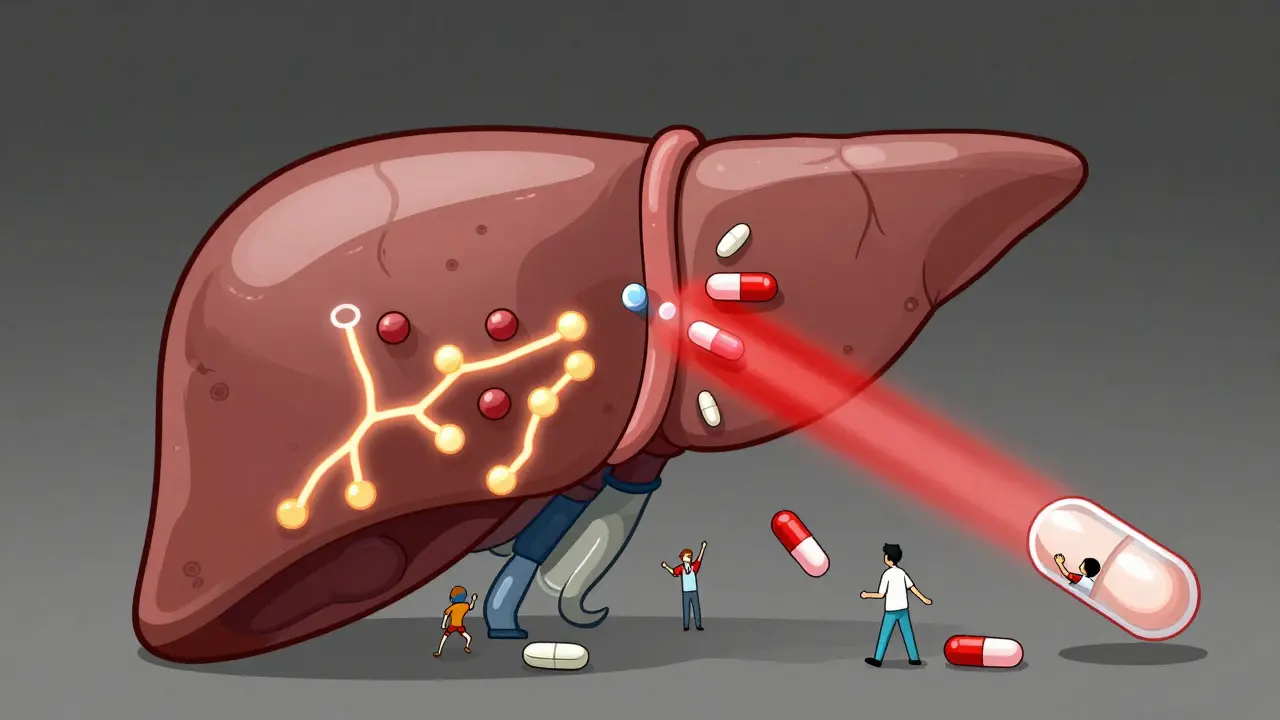
Your liver uses enzymes - especially the CYP3A4 system - to break down most medications. Some supplements trick this system. St. John’s wort is the biggest offender. It doesn’t just interfere - it shuts down your body’s ability to absorb critical drugs. Studies show it drops cyclosporine levels by 50-60% in transplant patients, which can cause organ rejection. It cuts HIV meds like indinavir by 57%, and reduces birth control effectiveness by 40-50%. That’s not a small risk. That’s life-changing.
It’s not just St. John’s wort. Goldenseal does the same thing. And even garlic pills or turmeric can slow down how fast your body clears certain drugs. The result? Too much medicine builds up in your system - leading to side effects you didn’t sign up for.
Could this create additive effects - like doubling down on danger?
Some supplements don’t change how your body handles medicine. They just add to it. Ginkgo biloba, for example, thins the blood. So does warfarin. Put them together, and your INR (a blood test that measures clotting time) can jump from 2.5 to 3.5 in just weeks. That’s not just ‘a bit more bleeding.’ That’s nosebleeds you can’t stop, bruising from a light bump, or internal bleeding after a fall.
Vitamin E at doses over 400 IU/day does the same thing. So does fish oil - especially if you’re taking more than 3 grams a day. Aspirin? Same story. Combine any of these with warfarin or clopidogrel, and you’re playing Russian roulette with your blood.
Has this supplement been studied with my specific medicine?
Here’s the uncomfortable truth: only 15% of dietary supplements have any real scientific data on interactions with prescription drugs. That means 85% of what you’re taking? No one really knows what happens when it meets your blood pressure pill, thyroid med, or chemo drug.
Take milk thistle. Some cancer patients swear it helps with liver side effects from chemo. A few small studies back that up - but only in specific cases. Others? No data. That’s not a green light. It’s a warning sign. Just because someone online says it’s safe doesn’t mean it is. And if your doctor hasn’t looked it up in a trusted database like LiverTox or Micromedex? They probably don’t know either.
Is there a safer alternative?
Not all herbs or supplements are created equal. Asian ginseng can raise blood pressure and interfere with blood thinners. But American ginseng? Much lower risk. Black cohosh might help with hot flashes, but it’s been linked to liver damage in rare cases. Milk thistle, on the other hand, has a decent safety profile - if you’re not on transplant meds or HIV drugs.
Even something as simple as magnesium can be tricky. Magnesium oxide is poorly absorbed and can cause diarrhea. Magnesium glycinate? Better tolerated. But if you’re on antibiotics like tetracycline or quinolones, even the good kind can block absorption. Timing matters - take it 2-3 hours apart.
Ask yourself: Is there a way to get the benefit without the risk? Can you eat more spinach for vitamin K instead of taking a supplement? Can you get omega-3s from salmon instead of fish oil pills? Sometimes, food is the safest option.
What symptoms should I watch for?
Most interactions don’t show up right away. But when they do, they can be sudden and scary.
If you’re taking St. John’s wort with an SSRI like fluoxetine or sertraline, you could develop serotonin syndrome. Symptoms include: confusion, rapid heartbeat, high blood pressure, muscle rigidity, fever, and shaking. It’s rare - but deadly if missed.
With blood thinners, watch for unexplained bruising, bleeding gums, red or black stools, or headaches that won’t go away. With thyroid meds, you might feel suddenly tired, cold, or gain weight without reason - even if you’re taking your pill every day.
And if you’re on birth control? A missed period isn’t always stress. It could be your supplement making your pill useless. One woman on Reddit wrote: ‘I didn’t realize St. John’s wort would make my birth control fail - got pregnant because of it. Doctors never mentioned this risk.’
Who should I talk to - and what should I say?
Most people think their doctor will ask about supplements. They don’t. A 2022 study found that during a typical 15-minute appointment, doctors spend just 1.2 minutes talking about supplements - if they talk at all.
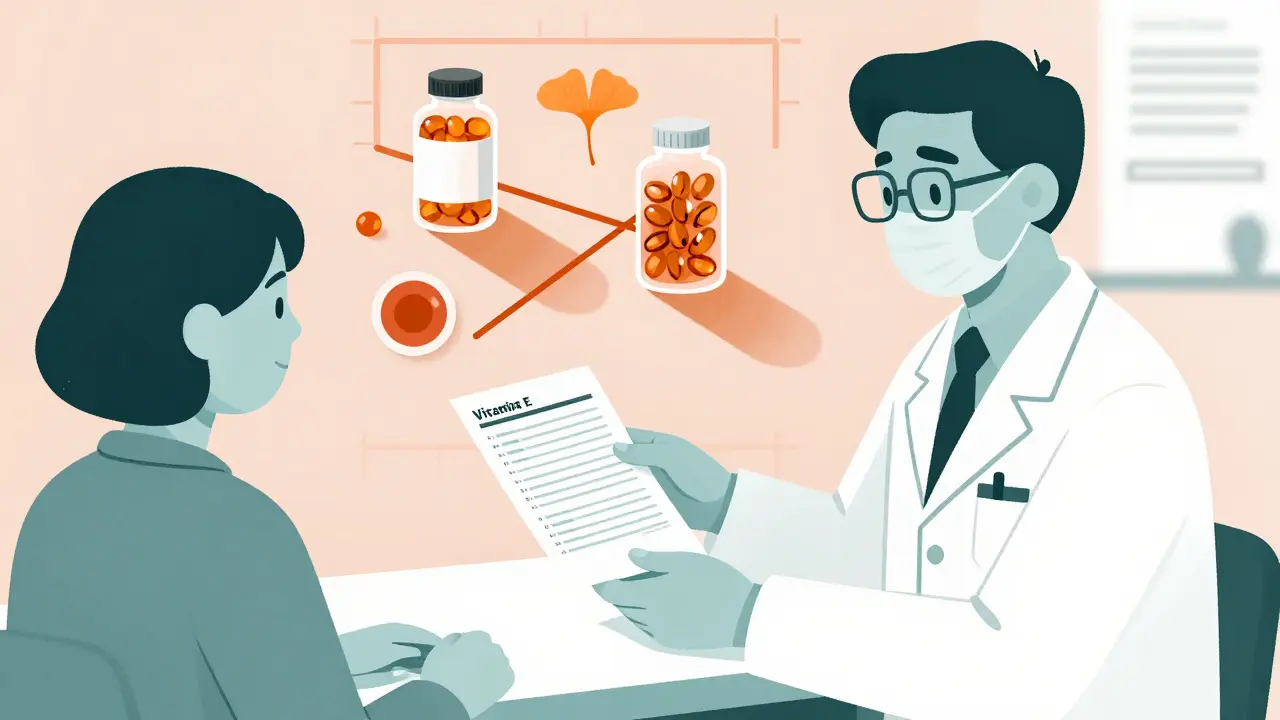
Don’t wait for them to ask. Bring a list. Write down every pill, capsule, powder, and tea you take - even if you think it’s ‘just herbal.’ Include dosage and how often. Say: ‘I’m taking this with my [medication name]. Is this safe?’
Pharmacists are your best ally. They see hundreds of drug interactions every week. Ask your pharmacist to run a check. Many pharmacies offer free interaction screenings. Use them.
Why isn’t this better regulated?
The FDA doesn’t test supplements before they hit the shelves. That’s not a loophole - it’s the law. The Dietary Supplement Health and Education Act of 1994 says supplements are ‘food,’ not drugs. That means no proof of safety, no proof of effectiveness. Labels can say ‘1000 mg of ginseng’ - but the bottle might have 200 mg. Or nothing at all.
A 2022 government report found 70% of supplement labels misstate ingredient amounts. That’s not a mistake. That’s a gamble. And you’re the one betting your health.
Meanwhile, the supplement industry made over $52 billion in 2023. But only 3% of products have any documented interaction data. The rest? Sold on hope, not science.
That’s why your questions matter. No one else is asking them. No one else is checking. You’re the only one who can protect yourself.


Comments (12)