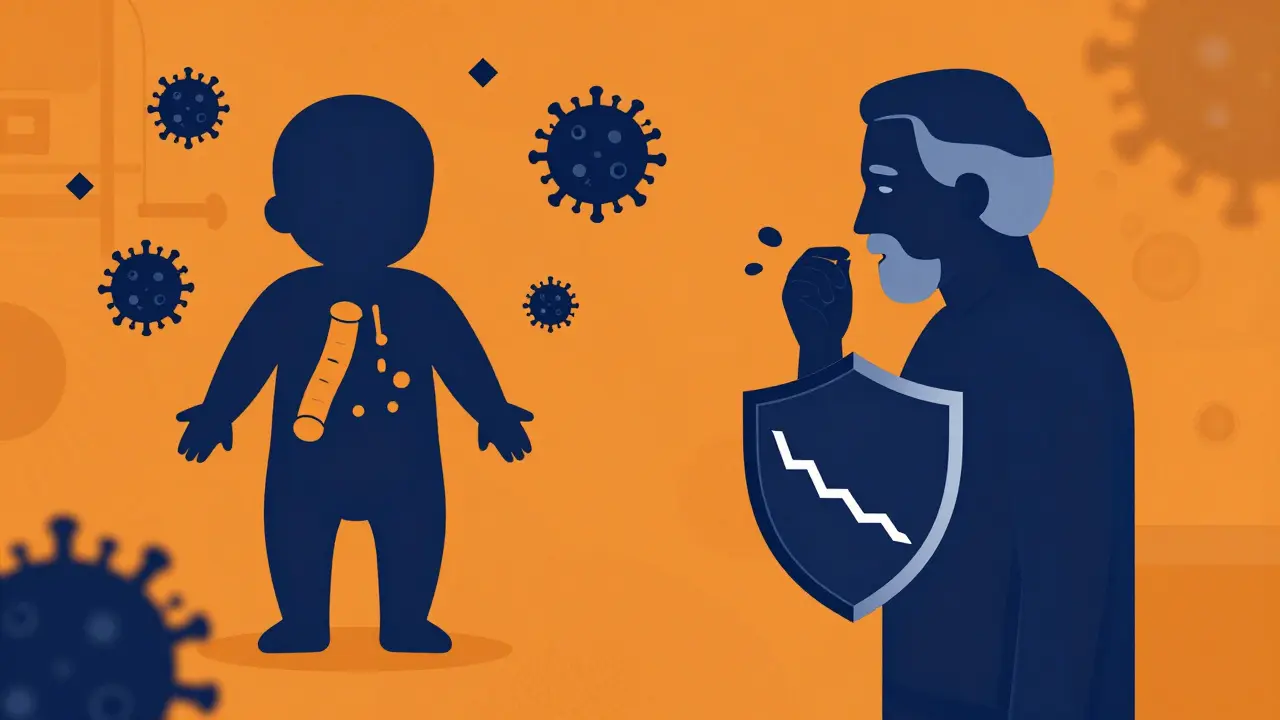
Respiratory Syncytial Virus (RSV) might sound like just another cold, but it is a serious threat that hits the very young and the very old the hardest. While most people brush off mild symptoms, this virus causes millions of hospitalizations every year. You need to know how it spreads, who is truly at risk, and what new tools are available to stop it in its tracks.
We used to think RSV was only a baby problem. That changed when we realized older adults face deadly risks too. With new vaccines and antibodies approved recently, you have more power than ever to protect your family. Let’s break down exactly what you need to do.
What Is RSV and How Does It Spread?
Respiratory Syncytial Virus is a common RNA virus that infects the respiratory tract, ranging from the nose to the lungs. First identified in 1956, it remains one of the top causes of lower respiratory infections worldwide. The World Health Organization reports about 33 million episodes of illness in children under five each year. That is a massive number of sick kids, parents, and caregivers dealing with coughing, fever, and fatigue.
The virus is sneaky because it spreads easily. Think about the last time someone sneezed near you or touched a doorknob before you did. RSV travels through:
- Airborne droplets: When an infected person coughs or sneezes, tiny particles float in the air. This accounts for about 65% of transmissions.
- Direct contact: Kissing a child on the cheek or shaking hands can pass the virus directly. This happens in roughly 25% of cases.
- Contaminated surfaces: RSV can survive on hard surfaces like stainless steel for up to 9.8 hours. If you touch a toy or counter, then rub your eyes, you’ve invited the virus in.
Most people stay contagious for 3 to 8 days. But here is the catch: babies and people with weak immune systems can shed the virus for up to four weeks. That means a toddler who seems better might still be spreading it to grandma.
Why Infants Are in the Danger Zone
Babies are not just small adults; their bodies handle viruses differently. Their airways are tiny, so even a little swelling blocks breathing. RSV is the leading cause of bronchiolitis and pneumonia in infants under one year old. In the United States alone, between 58,000 and 80,000 children under five end up in the hospital every year because of this virus.
Some infants are at much higher risk than others. You should watch closely if your child falls into these groups:
- Premature babies: Those born before 29 weeks’ gestation face a 3 to 5 times higher risk of hospitalization.
- Congenital heart disease: These children have a 20 to 25 times higher risk of severe complications.
- Chronic lung disease: Kids with ongoing lung issues face a 10 to 15 times higher risk.
Watch for these red flags in infants:
- Rapid breathing (more than 60 breaths per minute)
- Chest retractions (the skin pulls in around the ribs or neck)
- Poor feeding (taking less than half their normal amount)
- Lethargy or unusual sleepiness
If you see these signs, seek medical help immediately. Early intervention can prevent life-threatening situations.
The Hidden Threat to Older Adults
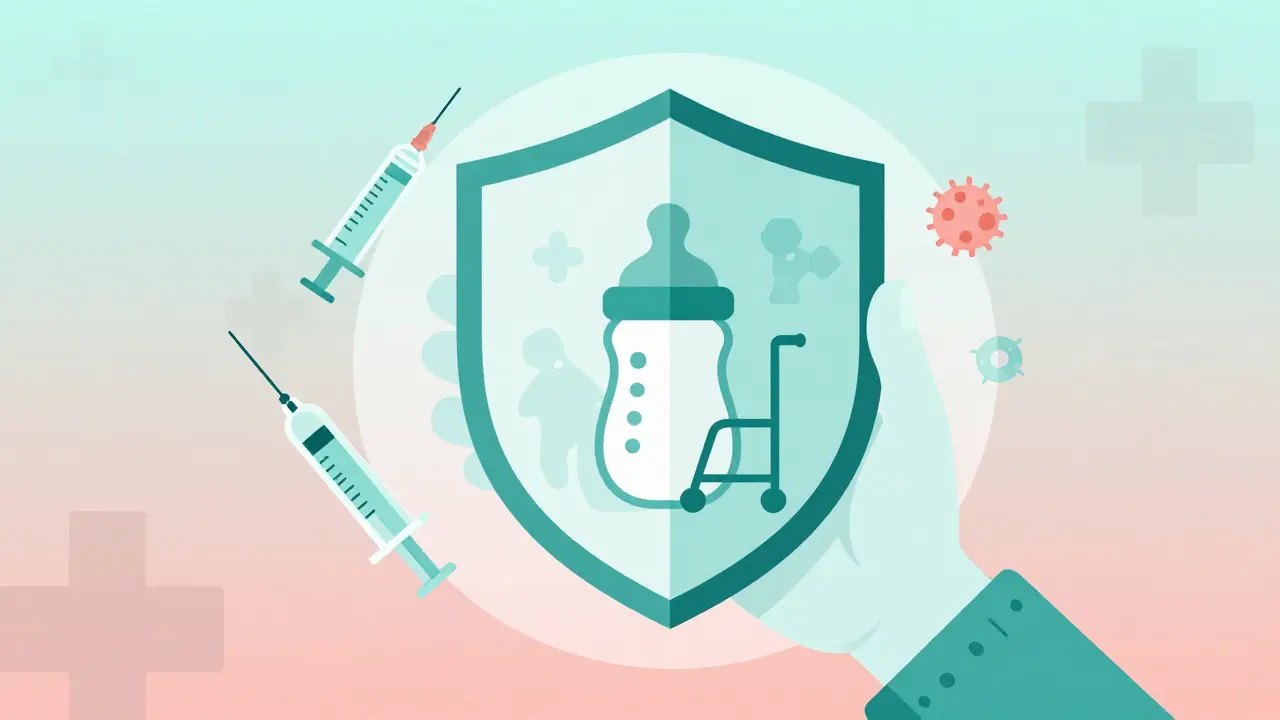
We often forget that aging weakens the immune system. For adults aged 65 and older, RSV is no joke. The CDC estimates that RSV causes 60,000 to 160,000 hospitalizations and 6,000 to 14,000 deaths annually in this age group in the U.S. That is comparable to seasonal flu numbers.
Older adults with existing health conditions are especially vulnerable. If you or a loved one has chronic obstructive pulmonary disease (COPD), the risk of hospitalization jumps by 4.2 times. Those with congestive heart failure face a 2.8 times higher risk. Why? Because RSV stresses the heart and lungs, making underlying conditions worse.
The data shows that adults over 75 stay in the hospital longer-averaging 6.7 days compared to 2.9 days for younger adults. Worse, their mortality rate is nearly double. After discharge, many struggle with long-term effects. About 42% of hospitalized seniors develop new functional limitations, like trouble bathing or dressing, within 30 days. This isn’t just a bad cold; it can change your quality of life permanently.
New Prevention Tools: Vaccines and Antibodies
For decades, prevention meant washing hands and hoping for the best. That changed in 2023. We now have powerful medical tools to fight RSV. Here is what is available:
| Prevention Method | Target Group | Efficacy/Protection | Key Details |
|---|---|---|---|
| Nirsevimab (Beyfortus™) | Infants under 8 months | ~75% protection against severe disease | Single-dose monoclonal antibody given before first RSV season. |
| Arexvy (GSK) | Adults 60+ | 82.6% efficacy against lower respiratory disease | Vaccine approved May 2023. Recommended based on shared decision-making. |
| Abrysvo (Pfizer) | Adults 60+ & Pregnant Women | 66.7% efficacy in adults; 81.8% in infants via maternal transfer | Vaccine for adults; also approved for pregnant women to protect newborns. |
| Palivizumab (Synagis®) | High-risk infants only | 55-82% reduction in hospitalizations | Monthly injections during RSV season. Used since 1998 for specific high-risk cases. |
The Centers for Disease Control and Prevention (CDC) recommends universal administration of nirsevimab for all infants entering their first RSV season. For older adults, doctors suggest discussing vaccination if you are 60 or older, especially if you have heart or lung conditions. These tools are game-changers, but they require access and awareness.
Daily Habits to Stop the Spread
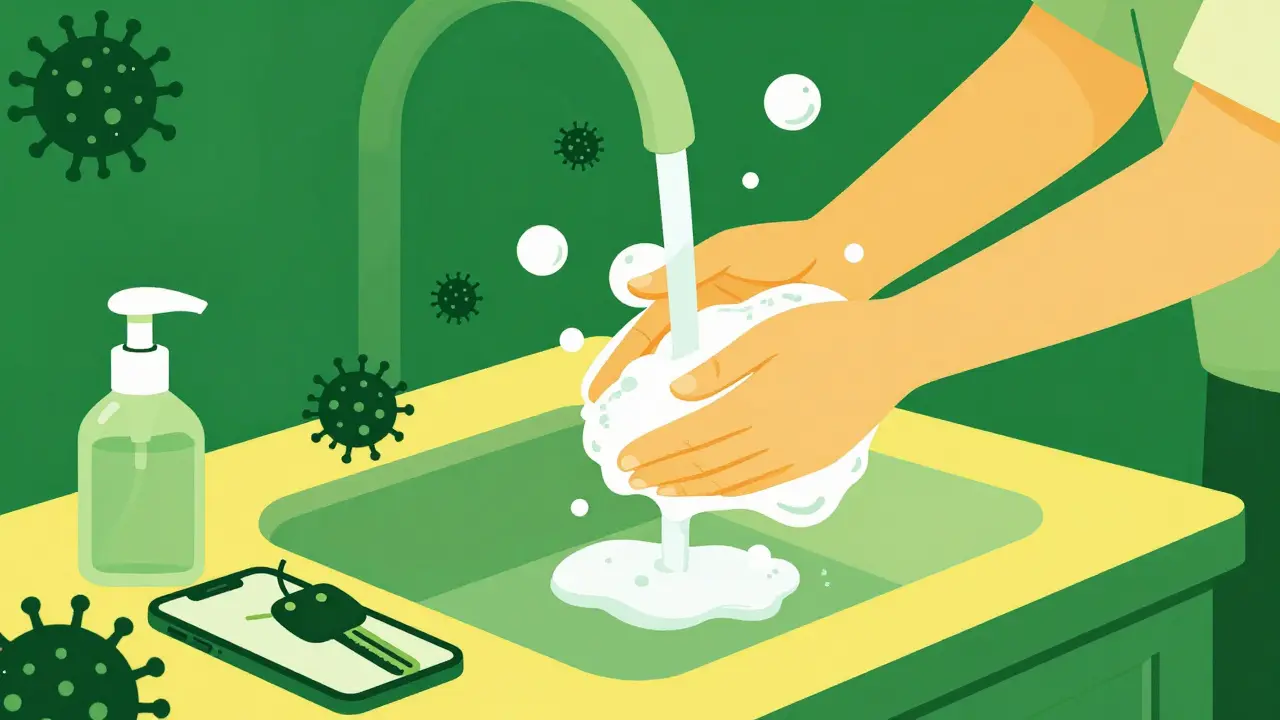
Medicine helps, but behavior matters most. You can drastically cut your risk with simple steps. Handwashing with soap for 20 seconds reduces transmission risk by 35-50%. It sounds basic, but it works. Avoid touching your eyes, nose, and mouth. Your hands are the main bridge between contaminated surfaces and your body.
Clean high-touch surfaces regularly. Use EPA-registered disinfectants effective against RSV. Focus on doorknobs, light switches, phones, and toys. Laboratory tests show proper cleaning can reduce surface transmission by 85-95%. If someone in your house is sick, isolate them as much as possible. Don’t share cups, utensils, or towels.
If you are pregnant, talk to your doctor about the Abrysvo vaccine. Getting vaccinated during months 32 to 36 of pregnancy passes protective antibodies to your baby before birth. This offers a shield during those critical first months when the baby’s own immune system is still developing.
Long-Term Effects You Should Know
RSV doesn’t just go away when the fever breaks. Severe infections can leave lasting marks. Children hospitalized for RSV bronchiolitis before age two have a 4.3 times higher risk of recurrent wheezing. They also face a 3.2 times higher risk of being diagnosed with asthma by age seven. Lung function tests show these kids often have reduced capacity that persists into adolescence.
For older adults, the aftermath is equally concerning. A study in the Journal of the American Geriatrics Society found that 28% of seniors hospitalized for RSV needed post-acute care placement, compared to only 15% of those with other respiratory infections. Recovery takes longer, and strength returns slowly. Preventing the infection in the first place is the best way to avoid these long-term struggles.
How long does RSV last in adults?
Symptoms typically last 1 to 2 weeks. However, a lingering cough can persist for several weeks after other symptoms resolve. Most healthy adults recover fully, but older adults may take longer to regain their energy and strength.
Can you get RSV twice?
Yes. Unlike chickenpox, getting RSV once does not give you lifelong immunity. You can be reinfected multiple times throughout your life. Each infection might be milder, but reinfection is common, especially in young children.
Is the RSV vaccine safe for everyone?
The vaccines for older adults (Arexvy and Abrysvo) are generally safe, with common side effects including soreness at the injection site, muscle pain, and fatigue. Consult your doctor if you have a history of severe allergic reactions to vaccine components. Monoclonal antibodies like nirsevimab are also well-tolerated in infants.
When is RSV season?
In temperate climates like the U.S., RSV season usually peaks between December and February. However, activity can start as early as October and extend into April. Timing varies by region, so check local health department updates.
Should I worry if my baby has a runny nose?
A runny nose alone is common and often mild. Watch for breathing difficulties, poor feeding, or lethargy. If your baby is under 3 months old and has a fever (100.4°F or higher), seek medical attention immediately. Trust your instincts-if something feels wrong, call your pediatrician.