Imagine pouring your morning coffee down the sink. Now imagine that same cup held a potent cancer drug capable of damaging DNA in anyone who touched it later. That is the reality for thousands of patients managing chemotherapy at home. Unlike standard painkillers or antibiotics, chemotherapy medications are cytotoxic agents that remain biologically active and hazardous long after administration. If you or a loved one is undergoing home-based cancer treatment, knowing how to safely discard these drugs isn't just about cleanliness-it's about protecting your family, your pets, and the local water supply from invisible threats.
| Aspect | Critical Action |
|---|---|
| Handling | Always wear nitrile gloves; never touch pills or fluids with bare skin. |
| Containment | Use double-bagging with leak-proof plastic bags (min. 1.5 mil thickness). |
| Disposal Method | Never flush. Use designated yellow hazardous waste containers or mail-back programs. |
| Body Waste | Treat urine, sweat, and vomit as hazardous for 48-72 hours post-treatment. |
| Patches | Fold adhesive sides together before placing in a sealed bag. |
Why Standard Disposal Rules Don't Apply
You might think tossing an old pill bottle into the trash bin alongside expired ibuprofen is fine. For most meds, sure. But cancer medicines are different beasts entirely. These drugs are designed to kill rapidly dividing cells, which means they don't discriminate between cancer cells and healthy human tissue upon accidental contact. The American Cancer Society highlights that residual chemotherapy compounds can persist in bodily fluids for up to 72 hours after treatment. This creates a unique risk profile where household members, especially children and pregnant women, face exposure risks simply by using the same bathroom or handling laundry.
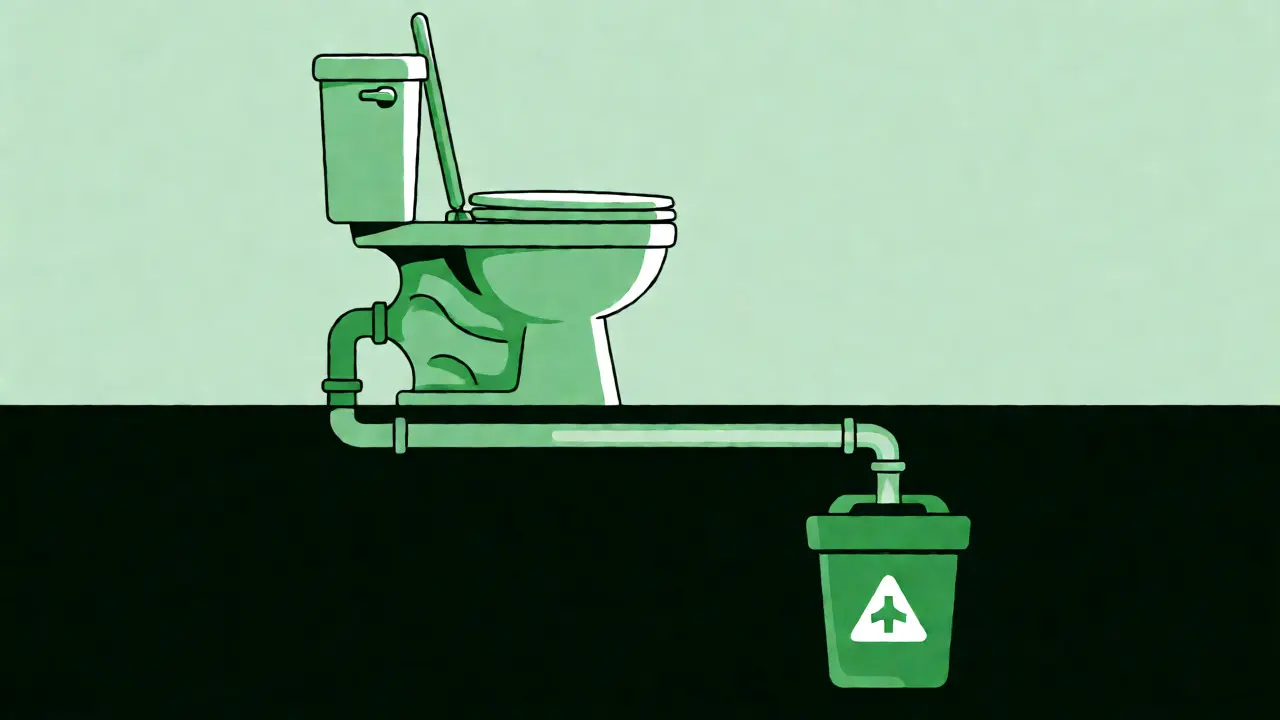
The stakes are high because these agents are genotoxic. Even trace amounts can cause reproductive harm or cellular damage over time. While conventional medications might break down relatively quickly in landfill environments, chemotherapy agents often resist degradation, potentially leaching into groundwater. This is why the Environmental Protection Agency (EPA) strictly prohibits flushing these drugs. You cannot treat them like ordinary waste.
Essential Safety Gear and Preparation
Before you even think about cleaning up a spilled dose or disposing of empty vials, you need the right gear. Your oncology team should provide a starter kit, but understanding what goes in it helps you stay prepared when supplies run low. The cornerstone of safe handling is nitrile gloves, specifically those with a thickness of 0.07-0.15mm. Latex gloves aren't sufficient here because certain chemotherapy solvents can degrade latex, leading to microscopic tears and direct skin contact.
You also need dedicated cleaning supplies. Do not use your regular kitchen sponge or bathroom scrubber for chemo spills. Once a cloth touches a cytotoxic agent, it becomes contaminated waste itself. Keep a separate pack of disposable paper towels or specific absorbent pads solely for this purpose. If you handle liquid medications or IV components, have leak-proof plastic bags ready. Look for bags labeled ASTM D1735 compliant, ensuring they won't burst under pressure or weight.
The Double-Bagging Protocol Explained
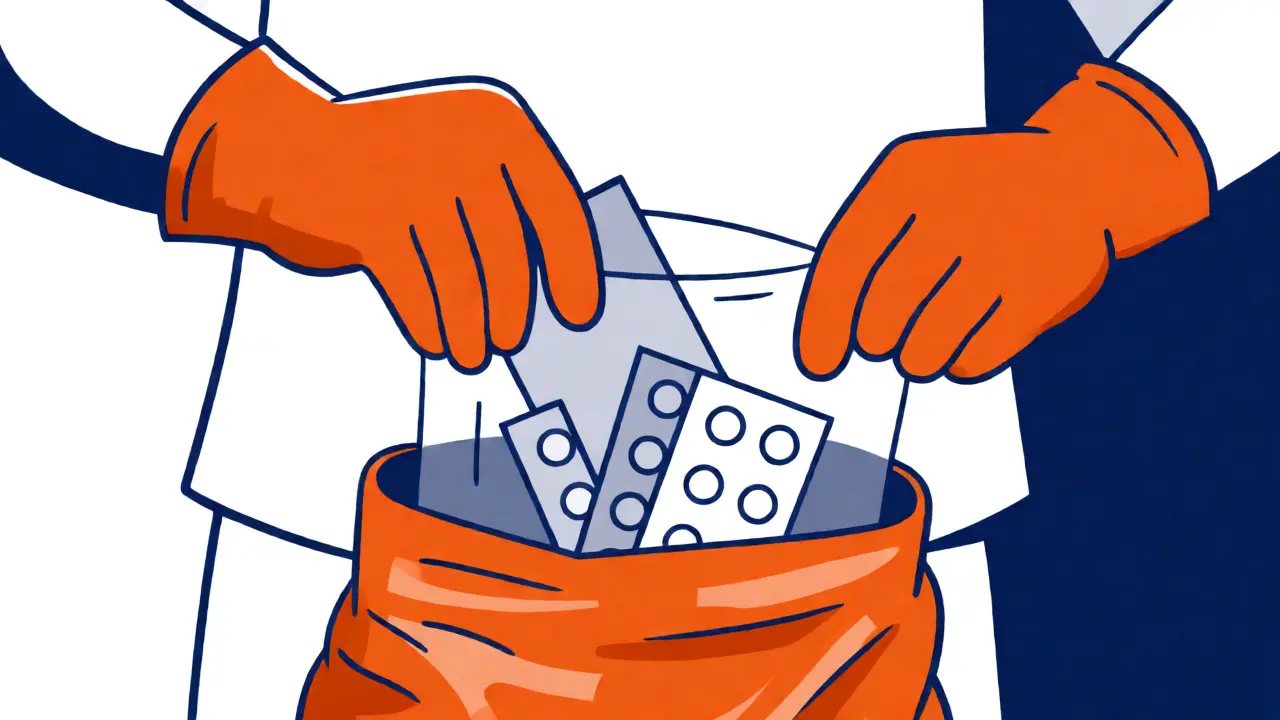
This is the non-negotiable core of home disposal. Single-bagging leaves too much room for error. If one bag punctures, the hazardous material escapes. The double-bagging method involves sealing all contaminated materials-gloves, wipes, empty packaging-in an inner bag first. Seal this inner bag tightly using a zip-tie or by heat-sealing it if possible. Then, place that sealed bundle inside a second identical bag. This outer bag acts as your safety net. Mayo Clinic pharmacists note that this simple step reduces exposure risk by over 90% compared to single-layer containment.
What goes into these bags? Everything that touched the medication. This includes:
- Used nitrile gloves
- Empty blister packs or bottles
- Wipes used to clean surfaces
- Any absorbent materials used for spills
Once double-bagged, these items go into a rigid, yellow container marked for hazardous pharmaceutical waste. Many healthcare providers supply these containers. If yours fills up, do not try to compress the contents. Just seal the lid tight and arrange for pickup through your pharmacy or a specialized medical waste service.
Managing Body Waste and Laundry
Here’s where many patients get tripped up. It’s not just the pill bottle you need to worry about. Your body excretes active chemotherapy metabolites through urine, feces, sweat, and vomit. For the first 48 to 72 hours after each treatment cycle, treat all bodily fluids as hazardous. When using the toilet, close the lid before flushing to prevent aerosolization of particles. Ideally, use a separate bathroom if available, but if not, thorough disinfection of the seat and handles after every use is critical.
Laundry requires special attention too. If you sweat heavily on sheets or clothes, wash them separately from the rest of the family’s laundry. Use hot water and a full detergent cycle. Wear gloves when handling these wet items to avoid skin absorption. Dry them in a dryer rather than hanging them indoors, which minimizes dust circulation in living spaces.
Special Cases: Patches and Liquids
Transdermal patches present a tricky scenario. They continue to release medication until fully removed, and the remaining drug stays in the patch afterward. Never throw a used patch loosely into the trash. Fold it in half so the adhesive sides stick together. This traps any residual gel and prevents it from leaking out. Place the folded patch directly into your inner hazardous waste bag.
Liquid oral chemotherapy needs careful handling too. If you miss a dose or have leftover liquid, do not pour it down the drain. Absorb it into an inert material like cat litter or sand within a sealed bag. This solidifies the liquid, preventing leaks during transport. Remember, crushing oral tablets is generally discouraged unless specified by your pharmacist, as breaking the coating can release hazardous dust.
Choosing the Right Disposal Channel
So, where does the waste actually go? You have three main options, each with pros and cons.
| Method | Acceptance Rate | Risk Level | Best For |
|---|---|---|---|
| Mail-Back Programs | High (if offered) | Low | Patients with access to participating pharmacies |
| Hospital Pickup | Variable | Low | Those near major cancer centers |
| Local Hazardous Waste Facility | Medium | Medium | Rural areas without mail-back services |
| Community Take-Back Events | Low (12%) | High | Conventional meds only; rarely accept chemo |
Mail-back programs are often the gold standard. Companies like Stericycle offer pre-paid envelopes specifically for hazardous drugs. However, availability varies. Only about 28% of U.S. pharmacies offer chemotherapy-specific mail-back envelopes, according to recent surveys. Check with your dispensing pharmacy first. If they don’t offer it, ask your oncologist for a list of approved local facilities.
Avoid community take-back events for chemotherapy unless explicitly stated they accept hazardous oncology drugs. Most DEA-regulated events focus on controlled substances like opioids and exclude cytotoxics due to the strict handling requirements. Flushing is absolutely off-limits. Even if a general medication guide says "flush," ignore it for chemo drugs. The EPA found detectable levels of cyclophosphamide in two-thirds of tested U.S. waterways, linking improper disposal directly to environmental contamination.
What to Do in Case of a Spill
Accidents happen. If you drop a vial or spill liquid, stay calm and follow the 15-step cleanup protocol outlined by the Cancer Institute of New Jersey. First, put on full protective equipment: gloves, gown, mask, and eye protection. Contain the spill immediately with absorbent pads. Work from the outside in to prevent spreading the contamination. Clean the area thoroughly with soap and water, then dispose of all cleaning materials in your hazardous waste bag. Never vacuum a dry powder spill, as this kicks up hazardous dust into the air.
Can I throw chemotherapy pills in the regular trash?
No, not directly. You must double-bag them in leak-proof plastic bags and place them in a designated hazardous waste container. Regular trash bins do not contain the potential leakage or protect sanitation workers from exposure.
How long do I need to be careful with body waste after treatment?
Most guidelines recommend treating urine, sweat, and other bodily fluids as hazardous for 48 to 72 hours after each chemotherapy session. Always close the toilet lid before flushing and wash hands thoroughly after bathroom use.
Is it safe to flush chemotherapy medication down the toilet?
Absolutely not. Chemotherapy drugs are cytotoxic and can contaminate water systems. The FDA and EPA explicitly prohibit flushing these agents, regardless of what general medication disposal lists suggest for other drugs.
What type of gloves should I use?
Use nitrile gloves, ideally with a thickness of 0.07-0.15mm. Avoid latex gloves, as some chemotherapy solvents can degrade latex, compromising the barrier and risking skin exposure.
Can I reuse the yellow hazardous waste container?
Yes, but only until it reaches the fill line indicated by the manufacturer. Once full, it must be sealed and collected by a licensed medical waste disposal service. Do not open a full container to add more items.


Comments (14)