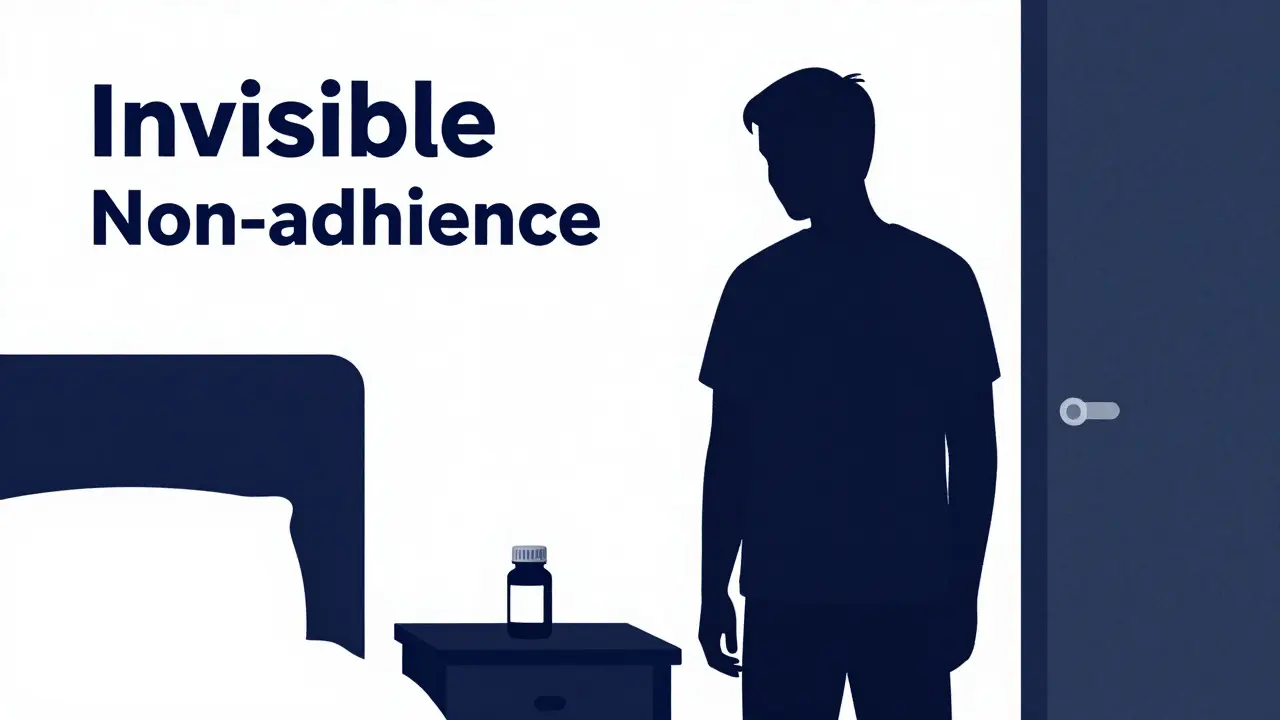
Missing a dose of medication might seem like a small mistake, but when it comes to psychiatric care, it can trigger a full-scale crisis. In the medical world, this is called medication adherence is the extent to which a patient takes their medications as prescribed by their healthcare provider. When people stop taking their meds, it isn't usually because they're being "difficult." It's often a complex mix of side effects, forgetfulness, or the nature of the illness itself. This gap in care has been described as an "invisible epidemic" because while it happens behind closed doors, the results-hospitalizations and relapses-are devastatingly visible.
The stakes are incredibly high. Data from the Centers for Disease Control and Prevention (CDC) indicates that non-adherence contributes to roughly 125,000 deaths every year in the US alone. In the realm of mental health, the numbers are even more sobering. For those battling schizophrenia, adherence to antipsychotics often hovers around 50%, far below the 80% threshold generally needed to keep symptoms under control. Why does this happen, and more importantly, what actually helps?
Why People Stop Taking Mental Health Meds
To fix the problem, we have to understand the barriers. It's rarely just about "forgetting a pill." For many, the side effects of psychiatric drugs-like extreme weight gain, tremors, or emotional blunting-can feel worse than the symptoms they are treating. Then there's the "insight gap." In conditions like schizophrenia or severe bipolar disorder, a person might not believe they are ill, which makes the idea of taking a daily pill feel unnecessary or even forced.
Social factors play a massive role too. If you're struggling with homelessness, keeping a bottle of pills safe and taking them on a strict schedule is nearly impossible. Research shows that adherence rates for homeless psychiatric patients drop to as low as 26%, compared to nearly 60% for those with stable housing. Even age plays a part; elderly patients struggling with depression are about 40% less likely to stick to their medication regimens, often because the depression itself saps the motivation needed to manage their health.
The Power of Collaborative Care
One of the most effective ways to bridge the adherence gap is moving away from the "doctor-only" model. Instead, Collaborative Care is a healthcare model where psychiatrists, primary care doctors, and pharmacists work together as a team to manage a patient's treatment. When a pharmacist is brought into the loop, the results are dramatic.
Pharmacists aren't just there to dispense pills; they are medication experts. A 2025 study in Frontiers in Psychiatry found that patients in a collaborative care group saw a 142% greater improvement in adherence compared to those receiving usual care. Why? Because pharmacists can provide targeted education, help manage side effects in real-time, and simplify complex dosing schedules. In some healthcare systems, like Kaiser Permanente, implementing pharmacist-led management led to a 32.7% increase in antipsychotic adherence and a significant drop in psychiatric hospitalizations.
| Intervention Type | Average Adherence Boost | Primary Strength | Main Weakness |
|---|---|---|---|
| Pharmacist-Led Care | Up to 40% | Expert side-effect management | High implementation cost |
| Digital Health Apps | ~2% | Easy access and reminders | Low long-term engagement |
| Regimen Simplification | Significant (Patient-reported) | Reduces "pill fatigue" | Clinical limitations on dosing |
| Long-Acting Injectables | High (87% PDC) | Removes daily pill burden | Requires clinic visits |

Practical Tools for Staying on Track
If you or a loved one are struggling, there are concrete changes that can make a difference. The first is simplifying the routine. The National Alliance on Mental Illness (NAMI) found that 87% of patients who switched to a once-daily dose stayed adherent, compared to only 52% of those taking multiple doses. If you're taking five pills a day, ask your doctor if there's a combined version or a different medication that only requires one dose.
Then there are Long-Acting Injectables (LAIs). Unlike a pill you have to remember every morning, an LAI is an injection given every few weeks or months. A 2023 study in JAMA Psychiatry showed that people using injectables had an 87% Proportion of Days Covered (PDC) compared to just 56% for those on oral meds. It essentially removes the "daily decision" to take medication, which is where most people fail.
For those who prefer digital tools, keep in mind that while apps are helpful for reminders, they rarely solve the root cause of non-adherence. The real win comes from combining technology with human support. For example, using an app to track symptoms while having a monthly check-in with a medication specialist creates a safety net that catches lapses before they become relapses.
Systemic Fixes: What Health Systems Are Doing
On a larger scale, healthcare providers are starting to use data to predict who might stop their meds. By looking at "red flags"-like a history of missed appointments or frequent ER visits-clinics can intervene *before* the patient stops their medication. Some are even exploring digital phenotyping, using smartphone data to predict an adherence lapse up to 72 hours in advance with over 80% accuracy.
However, the biggest hurdle remains cost. Many patients want to stay adherent but simply cannot afford their prescriptions. Systems that integrate cost-transparency tools and help patients find cheaper alternatives or assistance programs see much better outcomes. Without addressing the price tag, even the best clinical plan will fail.
How to Support Someone Struggling with Meds
If you're helping a friend or family member, avoid the "why can't you just take your pills?" approach. That often leads to guilt and further avoidance. Instead, focus on the barriers. Ask, "What happens in your body when you take this?" or "Which part of the routine is the hardest?"
- Normalize side effects: Let them know it's okay to dislike how a med feels and that they can talk to their doctor about adjusting the dose.
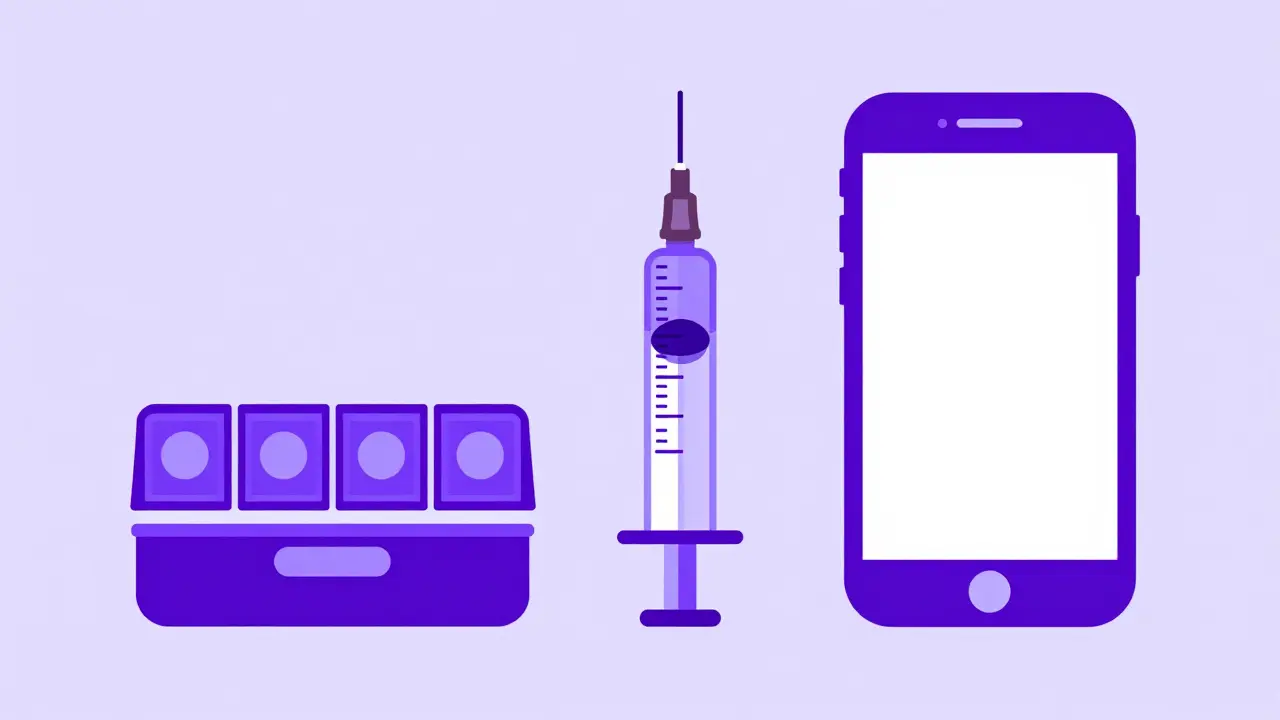
- Offer structural help: Help them set up a pill organizer or a phone alert.
- Accompany them to appointments: Sometimes a patient won't tell a doctor they're skipping doses because they're afraid of being judged. Your presence can encourage honesty.
What is a "good" adherence rate for mental health medication?
Generally, healthcare providers look for a rate of 80% or higher. This means the patient is taking their medication correctly at least 80% of the time. In clinical terms, this is often measured as the Proportion of Days Covered (PDC). Anything significantly lower than 80% usually increases the risk of symptom relapse and hospitalization.
Can pharmacists actually help with psychiatric meds?
Yes, and they are often more accessible than psychiatrists. Pharmacists can conduct Medication Therapy Management (MTM), help identify drug-drug interactions, and provide education on how to manage side effects. Collaborative care models involving pharmacists have shown adherence increases of up to 40%.
Why are long-acting injectables better than pills for some?
Injectables remove the need for daily remembering. For people with severe cognitive impairment or those who experience "pill fatigue," a shot every few weeks ensures a steady level of medication in the bloodstream and eliminates the risk of missing a daily dose.
What should I do if I can't afford my mental health medication?
First, talk to your pharmacist; they often know about manufacturer coupons or generic alternatives. Next, be honest with your psychiatrist about the cost-they may have samples or know of patient assistance programs. Avoid skipping doses to save money, as this often leads to more expensive emergency care later.
Does depression affect whether someone takes their meds?
Absolutely. Depression can cause a lack of motivation, feelings of worthlessness, and cognitive fog, all of which make it harder to follow a medical regimen. Studies show that depression can decrease the likelihood of adherence by about 40%, creating a vicious cycle where the illness prevents the treatment of the illness.
Next Steps for Improving Care
If you are a patient, start by auditing your routine. Where is the friction? If it's the number of pills, ask about regimen simplification. If it's the side effects, request a collaborative session between your doctor and pharmacist.
For providers, the path forward is integration. Moving toward value-based care means focusing on the outcome (the patient staying well) rather than just the prescription. This requires investing in pharmacist-led programs and using predictive analytics to catch high-risk patients before they fall through the cracks. When the system supports the patient, the patient can support their own recovery.


Comments (9)