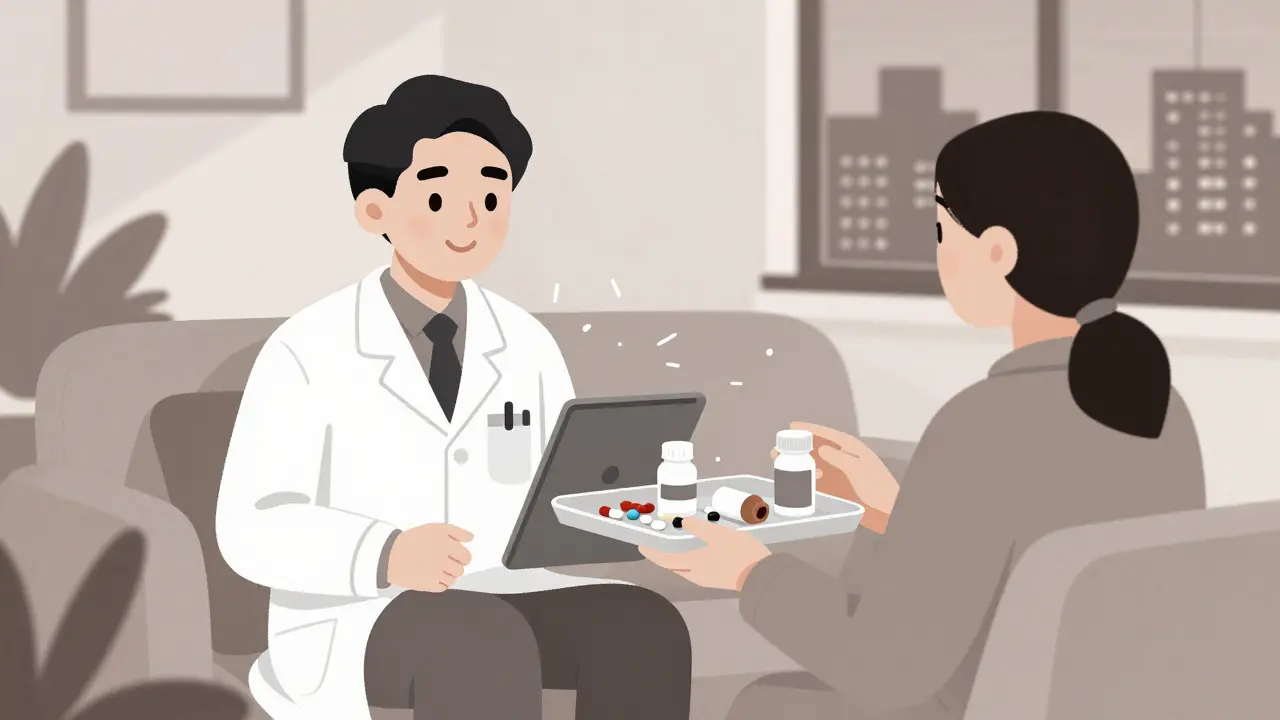
Medication Review Preparation Checklist
Prepare for Your Telehealth Medication Review
Complete this checklist before your telehealth medication review. The more prepared you are, the more effective your review will be. Studies show this increases review accuracy by 37.4%.
Essential Preparation Steps
Prescriptions, over-the-counter drugs, vitamins, supplements, and even topical creams. Don't assume something is too small to mention.
Check bottle labels for accuracy. If unsure, don't guess. Bring your pill organizer if you use one.
Call your pharmacy if unsure what's on file. Your pharmacist has the most accurate list.
Note any side effects like dizziness, sleep issues, or unusual fatigue. These are important clues.
Ensure camera, mic, and internet work. Use HIPAA-compliant platforms like Doxy.me or Zoom for Healthcare.
When you’re managing multiple medications-prescriptions, over-the-counter drugs, vitamins, or supplements-getting a clear picture of what you’re taking and why can be overwhelming. That’s where a telehealth medication review comes in. It’s not just a video call. It’s a focused, expert-led check-up designed to catch dangerous interactions, eliminate unnecessary pills, and make sure every drug you take is still doing what it’s supposed to do. And if you’re doing this from your living room in Cape Town, or anywhere with an internet connection, you’re not alone. Over 78% of U.S. healthcare systems now offer this service, and it’s growing fast because it works.
Why a Telehealth Medication Review Matters
Most people don’t realize how often medications clash or become outdated. A 2020 study found that elderly patients who got telehealth medication reviews had 34.7% fewer dangerous side effects than those who didn’t. That’s not a small number. It means fewer falls, fewer hospital trips, and more days feeling like yourself. The problem? Many patients are taking drugs they no longer need, or ones that interact badly with others. One pharmacy study showed that 43.2% of medication errors happen because the provider doesn’t have an accurate list of what the patient is actually taking. That’s why showing up with your meds in hand-literally-is non-negotiable.How to Prepare for Your Telehealth Medication Review
Preparation turns a vague chat into a life-changing conversation. Here’s exactly what to do:- Gather every medication you take. This includes prescriptions, over-the-counter painkillers, herbal supplements, vitamins, and even topical creams. Don’t assume something is too small to mention. A daily aspirin or a magnesium supplement can interact with blood pressure meds.
- Write down the dose and how often you take it. If you’re unsure, check the bottle. Don’t guess. If you use a pill organizer, bring it with you.
- Have your pharmacy list ready. Call your pharmacy if you’re not sure what’s on file. Many patients think their doctor knows their full list-but they don’t. Your pharmacist does.
- Write down your biggest concerns. Are you dizzy after lunch? Having trouble sleeping? Feeling more tired than usual? These aren’t just side effects-they’re clues.
- Test your tech. Make sure your camera, mic, and internet connection work. A 720p webcam is enough. Use a HIPAA-compliant platform like Doxy.me or Zoom for Healthcare. If you’re unsure, ask your provider what platform they use.
A 2023 study found that patients who brought their actual meds to a telehealth review improved accuracy by 37.4%. That’s because seeing the pills, reading the labels, and confirming the dosage in real time cuts down on miscommunication.
What to Ask During Your Review
Don’t just sit there and nod. You’re not a passive recipient-you’re a partner in your care. Here are the five most important questions to ask:- “How will you verify my medication list against my pharmacy records?” This is critical. Doctors and pharmacists often work from different lists. If they don’t cross-check, you could be missing a dangerous interaction.
- “Are any of these medications no longer necessary?” Many people keep taking pills long after the condition they were for is gone. Statins for cholesterol? Blood pressure meds? Antidepressants? Ask if they’re still helping.
- “What are the side effects I should watch for between now and our next check-in?” Some reactions take weeks to show up. Knowing what to look for-like confusion, swelling, or unusual bruising-can prevent a trip to the ER.
- “How will you communicate changes to my primary doctor?” Only 62.8% of telehealth services have a clear system for sending recommendations to your GP. If they don’t, you’ll have to do it yourself-and that’s a risk.
- “Will you follow up if something changes?” A telehealth review isn’t a one-time fix. Ask if there’s a plan to check in again, especially if your meds were changed or stopped.
These aren’t just questions-they’re safety checks. The goal isn’t to impress the pharmacist. It’s to make sure you’re not taking something that could hurt you.
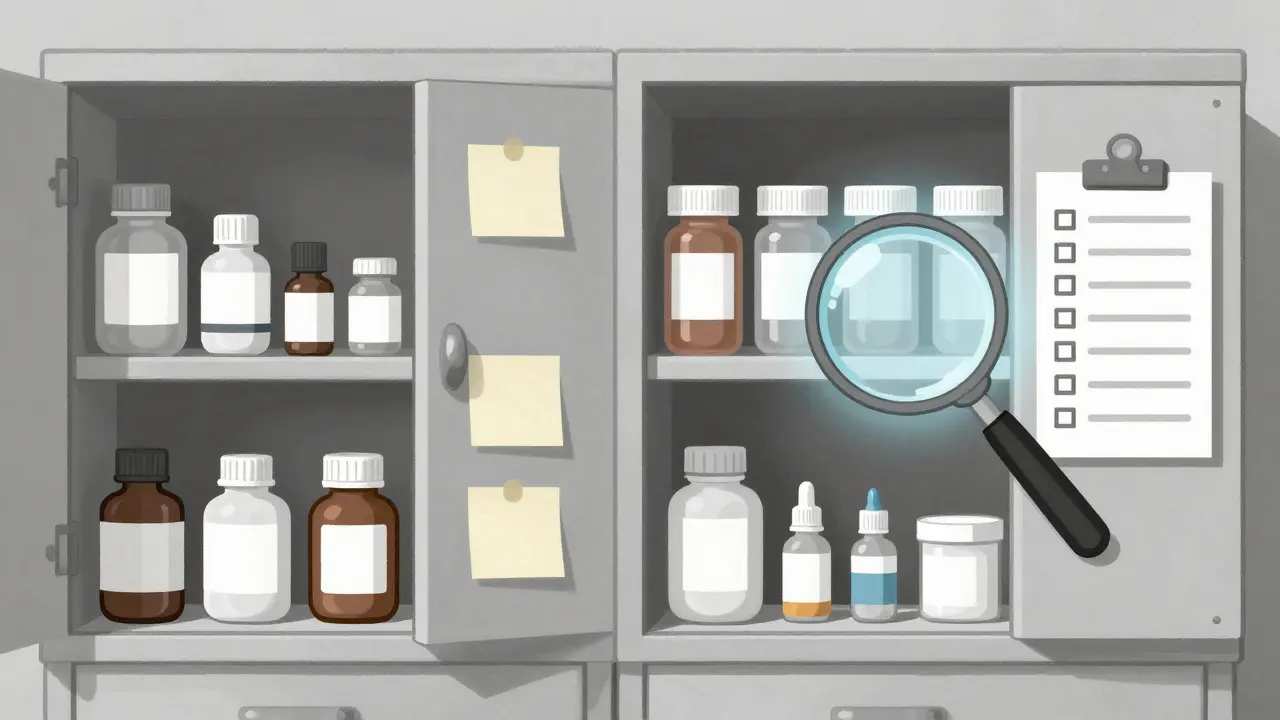
What Telehealth Medication Reviews Can and Can’t Do
This isn’t magic. It’s medicine-with limits.Telehealth reviews are excellent at:
- Reconciling medication lists (89.2% effective)
- Optimizing blood pressure, diabetes, or cholesterol meds (84.7% effective)
- Reducing hospital readmissions after discharge (down 22.1%)
But they struggle with:
- Patients with multiple chronic conditions who need physical exams (17.3% more incomplete reviews)
- Psychiatric medications requiring full mental status checks (only 43.6% effective without in-person observation)
- Older adults with low digital literacy (32.7% less likely to participate without training)
If you’re over 75, have dementia, or struggle with technology, ask for help. Many clinics now offer phone-based support or in-home tech coaching. Don’t skip the review because you’re nervous about the screen.
What Happens After the Review
The review doesn’t end when the video call does. Here’s what to expect:- You’ll get a summary email with changes to your meds, reasons why, and next steps.
- Your pharmacist will send recommendations to your doctor. If they don’t, follow up in a week.
- If a medication was stopped, watch for withdrawal symptoms-like rebound headaches, anxiety, or insomnia.
- If a new one was added, note how you feel after 3-5 days. Report anything unusual.
One patient on Reddit said their telehealth review caught three dangerous drug interactions their local pharmacy missed. But the video kept freezing during their blood pressure demo. That’s the reality. Technology isn’t perfect. But the insight? It’s worth it.
Cost, Insurance, and Legal Stuff
As of 2025, Medicare and most private insurers cover telehealth medication reviews. The new CMS code G2225 pays $142.37 for a full review. You likely won’t pay anything out of pocket if you’re on Medicare or have a major plan.But there’s a catch: laws vary by state. In 46 U.S. states, you need a live video call to review controlled substances like opioids or anxiety meds. The DEA’s new rules (effective December 2025) allow some Schedule II meds to be managed via telehealth-but only if you’ve had an in-person visit in the last year. If you’re on pain meds or stimulants, ask your provider what the law requires in your state.
And if you’re outside the U.S.? Many countries, including Australia, have similar systems. The principles are the same: know your meds, ask the hard questions, and make sure your care team is talking to each other.
Final Thought: This Is Your Health
A telehealth medication review isn’t a tech gimmick. It’s a safety net. It’s the moment someone with real expertise looks at your entire drug list and says, “Wait-that doesn’t make sense.”You don’t need to be sick to benefit. You don’t need to be old. You just need to care enough to show up-with your pills, your questions, and your voice.
Don’t wait for a fall, a hospital visit, or a bad reaction. Schedule your review. Prepare. Ask. Then, take control.
Do I need to have all my medications in front of me during the call?
Yes. Bringing your actual medications-prescriptions, supplements, OTC drugs, and even topical creams-is the single most important thing you can do. Studies show this increases review accuracy by 37.4%. Seeing the bottles, reading the labels, and confirming dosages prevents mistakes that happen when you just describe what you take.
Can a telehealth review replace my regular doctor visits?
No. A telehealth medication review is focused only on your drugs. It doesn’t replace physical exams, lab tests, or check-ups for conditions like high blood pressure or diabetes. You still need to see your primary doctor for those. But this review makes sure your meds are working safely alongside your other care.
What if I don’t have good internet or a camera?
Many clinics offer phone-based medication reviews if video isn’t possible. While video is ideal for showing pills, a phone call still allows for a full review of your list, side effects, and dosing. Ask your provider if they offer phone options. Some also provide free tech support to help you set up video calls.
How often should I get a medication review?
At least once a year. If you’ve had a hospital stay, changed doctors, added or stopped any meds, or are over 65 and taking five or more medications, you should get one every 6 months. Your meds change as your health changes-and so should your plan.
Will my pharmacist tell my doctor what they recommend?
They should-but not always. Only 62.8% of telehealth services have a standardized system to send recommendations to your primary care provider. Ask directly: “Will you send my changes to my doctor?” If they say no, follow up with your doctor yourself. Don’t assume it happened.
Are telehealth medication reviews safe for controlled substances like opioids or Adderall?
Yes-but with rules. As of December 2025, the DEA allows Schedule III-V controlled substances (like certain painkillers and ADHD meds) to be managed entirely via telehealth if you have a Special Telemedicine Registration. Schedule II drugs (like oxycodone or fentanyl) require an initial in-person visit, then follow-ups every three months. Always confirm what your state and provider require.


Comments (14)