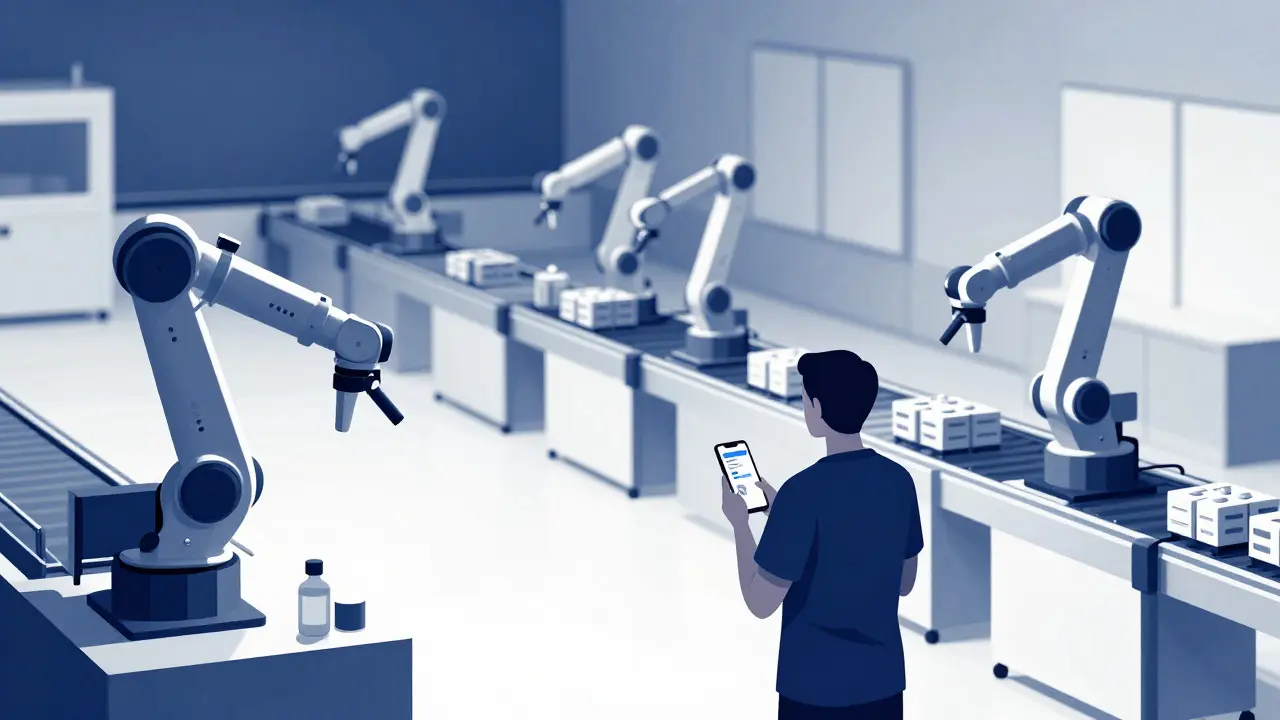
Imagine walking into your local pharmacy to pick up a prescription, only to find the shop empty of staff. Instead, you receive a notification that your medication is being prepared remotely by a Digital Service Provider (DSP) and will be delivered to your door. This isn't science fiction; it’s the new reality for many patients under the sweeping changes to UK substitution laws and NHS policies governing pharmaceutical and service delivery. If you are a patient, a pharmacist, or a healthcare provider, understanding these shifts is no longer optional-it’s essential for navigating care in 2026.
The landscape of British healthcare has undergone a radical transformation since June 2025. The introduction of The Human Medicines (Amendment) Regulations 2025 (Statutory Instrument 2025 No. 636) fundamentally altered how medicines are dispensed and how services are substituted across the National Health Service. These aren't just minor tweaks; they represent a structural overhaul designed to move care from hospitals to communities and from face-to-face interactions to digital platforms. But what does this mean for your health, your wallet, and the safety of your treatment?
The Shift to Digital Dispensing Services
At the heart of the recent legal changes is the role of the Digital Service Provider (DSP). Under Regulation 9 of the 2025 Amendments, which fully took effect on October 1, 2025, DSPs are now required to deliver all NHS pharmaceutical services remotely. This means the traditional model of a community pharmacist standing behind a counter handing over pills is being phased out in favor of centralized, remote processing facilities.
This shift was driven by the Department of Health and Social Care (DHSC), which retained direct control over pharmaceutical policies after the abolition of NHS England as an independent body in the 2025 operating model reforms. The goal? Efficiency and cost reduction. However, the transition has been rocky. A survey by the British Pharmaceutical Industry in March 2025 revealed that 79% of community pharmacies were concerned about these remote dispensing requirements. Many reported needing between £75,000 and £120,000 in technology investments just to comply with the new DSP regulations.
For patients, this change affects accessibility. While some appreciate the convenience of home delivery, others struggle with the loss of immediate professional interaction. A verified nurse from Manchester Royal Infirmary noted in online discussions that while virtual clinics reduced unnecessary follow-ups by 40%, they created access issues for 15% of elderly patients who lacked digital literacy. This highlights a critical gap in the current substitution framework: technology moves faster than patient adaptation.
Generic Substitution and Cost Savings
Another pillar of UK substitution laws involves generic medicine substitution. For decades, pharmacists have been allowed to replace branded medications with cheaper generic equivalents unless the prescriber specifies 'dispense as written' (DAW). This practice is governed by Regulation 33 of the NHS (Pharmaceutical Services) Regulations 2013.
The 2025 reforms have intensified this pressure. The government is now pushing for a 90% generic substitution rate for eligible medications, up from the previous average of 83%. This aggressive target is part of a broader strategy to save money within the strained NHS budget. The Office for National Statistics projects that the pharmaceutical substitution market will grow by 8.3% annually through 2028, driven largely by these policy mandates.
However, higher substitution rates don't always translate to better outcomes. Dr. Sarah Wollaston, former Chair of the Health and Social Care Committee, warned in the British Medical Journal that the current framework lacks sufficient safeguards for vulnerable populations. She cited a 12% increase in medication errors reported in the North West London ICB pilot program for remote dispensing services. When substitutions happen without adequate clinical oversight-especially when combined with remote processing-the risk of mix-ups rises.
| Feature | Pre-2025 Model | Post-2025 Model (Current) |
|---|---|---|
| Dispensing Location | Face-to-face at pharmacy premises | Remote via Digital Service Providers (DSPs) |
| Generic Target | ~83% substitution rate | 90% mandatory substitution rate |
| Regulatory Oversight | NHS England / Local ICBs | Department of Health and Social Care (DHSC) |
| Patient Interaction | In-person consultation standard | Digital-first, limited face-to-face |
Service Substitution: From Hospital to Community
It’s not just about pills. The term "substitution" in the NHS context also refers to shifting care settings. The government’s 2025 Mandate to NHS England explicitly directs the system to move care "from hospital to community, sickness to prevention, and analogue to digital." This strategic shift necessitates complex substitution frameworks where hospital-based services are replaced with equivalent community-based alternatives.
Professor Sir Chris Whitty, Chief Medical Officer, endorsed this approach in his foreword to the 10 Year Health Plan. He stated that shifting 30% of hospital outpatient appointments to community settings by 2027-28 could reduce waiting lists by 1.2 million appointments annually while maintaining equivalent clinical outcomes. The logic is sound: if a minor issue can be treated locally, it frees up expensive hospital beds for critical cases.
Yet, implementation is challenging. The NHS Confederation’s analysis found that 68% of Integrated Care Boards (ICBs) report insufficient workforce capacity to deliver this required service substitution. In rural areas, 42% of trusts lack the necessary community infrastructure. This creates a paradox: the policy aims to improve access, but the lack of local resources may actually widen gaps for those who need help most.
Impact on Vulnerable Populations
Who bears the brunt of these changes? Often, it’s the most vulnerable. The King's Fund analysis from June 2025 warns that without addressing the 28,000 workforce shortfall in community services, service substitution could increase health inequalities by 12-18% in deprived areas. Evidence from the Greater Manchester Health and Care Partnership showed that initial substitution initiatives widened care gaps before targeted interventions were applied.
Elderly patients are particularly affected. Age UK’s analysis of the 2025 mandate highlighted the need for "timely, proactive and joined-up support" to help people remain independent. However, the reduction in emergency admissions for people aged 65 and over-a target of 15% by 2026-27-relies heavily on effective community support. If that support is fragmented due to rapid digital substitution, the goal becomes harder to achieve.
Tax credit changes also play a role. Regulations 3, 4, and 5 of the 2025 amendments removed NHS charge and travel expense exemptions for those previously receiving tax credits, effective April 5, 2025. This indirectly impacts substitution practices by altering patient eligibility for certain medication cost exemptions, potentially discouraging some from seeking necessary care.
Financial Implications and Future Outlook
The financial stakes are high. The DHSC allocated £1.8 billion in the 2025-26 budget specifically for service substitution initiatives, including £650 million for community diagnostic hubs intended to replace 22% of hospital-based diagnostic services by 2027. The Department of Health estimates a potential £4.2 billion savings from optimized substitution practices by 2030.
However, the Nuffield Trust’s June 2025 forecast offers a cautionary tale. They project that successful implementation could reduce NHS waiting lists by 35% within five years. But failure to address workforce and infrastructure gaps could result in substitution initiatives increasing overall system costs by 7-10% due to care fragmentation and safety incidents. It’s a high-risk, high-reward strategy.
Looking ahead, the Carr-Hill formula reform, scheduled for April 2026, aims to better target resources to areas with disproportionate economic and health challenges. This could reshape substitution priorities in deprived communities, ensuring that the push for efficiency doesn’t come at the expense of equity.
Practical Steps for Patients and Providers
If you’re navigating this new system, here’s what you need to know:
- Check Your Prescription Status: Understand if your medication is subject to generic substitution. If you prefer a specific brand, discuss this with your doctor and ask them to mark 'dispense as written' if clinically necessary.
- Embrace Digital Tools: Familiarize yourself with the NHS App and digital portals used by DSPs. Early adoption can prevent delays in receiving your medication.
- Verify Remote Services: If your pharmacy has switched to a DSP model, confirm the contact details for clinical queries. Don’t hesitate to call if you have concerns about your medication.
- Community Resources: For non-emergency care, explore local community hubs. They are increasingly becoming the first point of contact for diagnostics and minor ailments.
The transition to a more substituted, digital-first NHS is underway. While the goals of efficiency and cost-saving are clear, the human element remains paramount. Ensuring that these legal and policy changes serve patients rather than just spreadsheets will be the defining challenge for the next decade.
What are the new UK substitution laws regarding medicines?
The primary change comes from The Human Medicines (Amendment) Regulations 2025. These laws require Digital Service Providers (DSPs) to deliver NHS pharmaceutical services remotely rather than face-to-face. Additionally, the government is pushing for a 90% generic substitution rate for eligible medications, meaning pharmacists must switch branded drugs to cheaper generics unless the doctor specifies otherwise.
When did the remote dispensing rules take effect?
Regulation 9 of the 2025 Amendments, which mandates remote delivery by DSPs, came into force on October 1, 2025. Some transitional rules applied earlier in June 2025, but full compliance for new applications and operations began in autumn 2025.
Can I still get face-to-face advice from my pharmacist?
While the trend is toward digital-first services, face-to-face consultations are not banned. However, many community pharmacies are shifting focus to remote processing. You may need to schedule specific appointments for in-person advice, or rely on video calls and phone lines provided by the DSP.
Why is the NHS moving care from hospitals to communities?
This "service substitution" aims to reduce hospital overcrowding and waiting lists. By treating minor issues and providing diagnostics in community hubs, the NHS hopes to free up hospital beds for critical care. Professor Sir Chris Whitty noted this could reduce waiting lists by 1.2 million appointments annually by 2027-28.
Are there risks associated with these new substitution policies?
Yes. Critics point to a 12% increase in medication errors in some pilot programs for remote dispensing. There are also concerns about health inequalities, with the King's Fund warning that substitution could worsen care gaps in deprived areas if workforce shortages aren't addressed. Elderly patients with low digital literacy are particularly at risk of exclusion.
How do these laws affect generic medicines?
The laws strengthen the requirement for generic substitution. Pharmacists are expected to substitute branded medicines with generics in 90% of eligible cases, up from 83%. This is intended to save the NHS billions of pounds. Patients can request a specific brand by asking their doctor to write 'dispense as written' on the prescription.