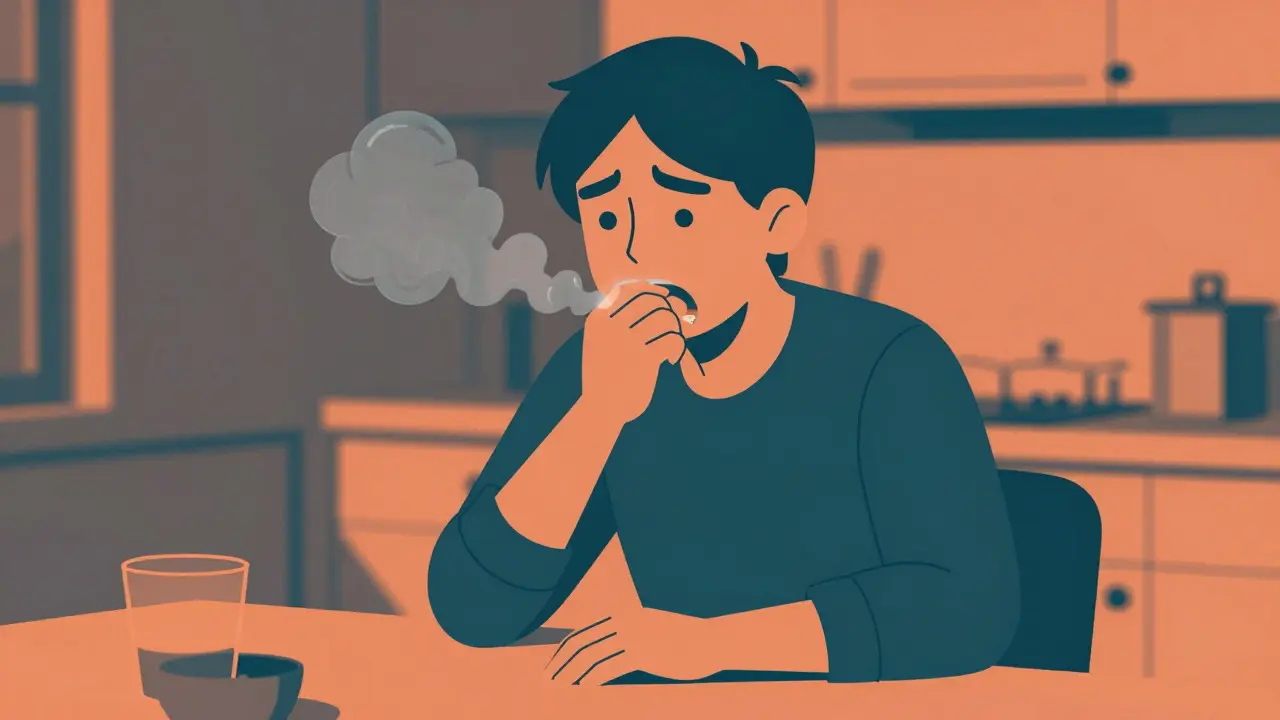
Imagine your blood turning into a toxic soup. That is essentially what happens when your kidneys stop filtering waste efficiently. This condition, known as Uremia, is a multisystem syndrome caused by the accumulation of nitrogenous waste products in the bloodstream due to kidney failure, brings on symptoms that can feel like your body is rebelling against you. You might wake up with a metallic taste in your mouth, or scratch your skin until it bleeds because nothing seems to help the itch. These are not just annoyances; they are signals that your body needs help.
For many patients, the decision to start dialysis feels like a cliff edge. Do you wait until you're miserable? Or do you jump in early? The answer isn't one-size-fits-all. Recent guidelines have shifted away from relying solely on numbers like eGFR (estimated glomerular filtration rate) and toward listening to how you actually feel. If you are dealing with persistent nausea or relentless itching, understanding the link between these symptoms and dialysis timing is crucial for taking control of your health.
What Is Uremia and Why Does It Happen?
Uremia is the clinical manifestation of advanced kidney disease where metabolic waste builds up in the blood. Historically, this was a terminal diagnosis. Today, we understand it as a complex chemical imbalance. When your kidneys fail, they can't remove urea, creatinine, and other middle-molecule toxins. These substances accumulate and affect almost every system in your body.
The trigger for noticeable symptoms usually correlates with specific lab values. While every person is different, doctors often see the first major complaints when serum urea nitrogen (BUN) levels exceed 60 mg/dL and creatinine surpasses 10 mg/dL. But here is the catch: two people with the same lab results can experience vastly different symptom burdens. One might feel fine, while another is struggling to eat or sleep. This variability is why modern nephrology focuses on "symptom burden" rather than just the number on the screen.
Nausea: More Than Just Feeling Sick
If you’ve ever felt nauseous before dialysis, you know it’s not just a case of motion sickness. Uremic nausea affects approximately 68% of patients with stage 5 chronic kidney disease (CKD). It often hits hard in the morning or after eating, making it difficult to maintain nutrition. Research from the University of California, San Francisco, found that specific toxins like p-cresyl sulfate and indoxyl sulfate directly stimulate the chemoreceptor trigger zone in your brain, causing that queasy feeling.
This isn't just an uncomfortable side effect. Persistent nausea leads to weight loss and muscle wasting, which makes dialysis sessions harder to tolerate. In fact, studies show that 92% of patients report this symptom starting 6 to 12 weeks before they begin regular dialysis. If you find yourself losing appetite or losing more than 5% of your body weight over three months, that is a significant red flag. It suggests your conservative treatments-like dietary changes-are no longer keeping the toxins at bay.
Uremic Pruritus: The Itch That Won’t Quit
Itching, or Uremic Pruritus, is chronic itching associated with kidney disease that lacks a primary skin rash, is arguably the most distressing symptom for many dialysis patients. Unlike a bug bite or eczema, there is no visible cause. You scratch, but the relief is fleeting. According to the 2022 DOPPS study, nearly 69% of hemodialysis patients suffer from this. It often worsens at night, destroying sleep quality. One patient described their sleep score dropping from 85 to 42 on a fitness tracker for six months straight because of the constant need to scratch.
The science behind this itch is still being unraveled, but inflammation plays a huge role. Patients with severe itching have higher levels of C-reactive protein (CRP), indicating systemic inflammation. High phosphate levels and parathyroid hormone (PTH) also contribute. If your calcium-phosphorus product exceeds 55 mg²/dL², your risk of intense itching goes up significantly. This is why managing mineral balance is just as important as filtering blood.
When Should You Start Dialysis?
This is the million-dollar question. For decades, the rule was simple: wait until your eGFR drops below 10-15 mL/min/1.73m². But the landscape has changed. The 2023 KDOQI guidelines emphasize individualized care. Dr. Mark Unruh, a leading nephrologist, notes that dialysis should start when symptoms become "refractory to conservative management." In plain English: if diet and meds aren't working, don't wait for the number to hit zero.
However, starting too early isn't always better either. The IDEAL trial showed that jumping into dialysis at an eGFR of 10-14 didn't necessarily improve survival compared to waiting until 5-7. What it did show is that quality of life matters. If you are stable, eating well, and sleeping okay, waiting a bit might be reasonable. But if you are suffering, waiting can lead to complications like pericarditis or severe anemia.
| Symptom/Criterion | Specific Indicator | Why It Matters |
|---|---|---|
| Persistent Nausea | >5% weight loss over 3 months | Indicates nutritional decline and toxin overload |
| Severe Pruritus | 5-D Itch Scale score >15 | Shows refractory symptoms impacting daily life |
| Laboratory Values | BUN >70 mg/dL, Creatinine >8 mg/dL | Common thresholds for high symptom burden |
| eGFR Level | Below 10-15 mL/min/1.73m² | Contextual marker, not the sole decision factor |
| Complications | Uremic pericarditis or encephalopathy | Medical emergencies requiring immediate intervention |
Managing Symptoms Before Dialysis Starts
You don't have to just white-knuckle it while waiting for your appointment. There are effective ways to manage these symptoms. For itching, optimizing your dialysis adequacy is step one. Doctors look at a metric called Kt/V; aiming for a value of 1.4 or higher ensures your blood is being cleaned thoroughly. Medications like gabapentin can also help, starting at low doses (100mg nightly) and titrating up. Newer drugs like difelikefalin have shown promise, reducing itch scores by over 30% within 48 hours.
For nausea, anti-emetics like ondansetron are commonly used. However, watch out for cardiac risks, as some of these drugs can affect heart rhythm. Dietary adjustments are also vital. Limiting phosphorus and potassium can reduce the toxic load on your body. Working with a renal dietitian isn't optional; it's essential. They can help you find foods that satisfy your cravings without adding to the toxin buildup.

The Role of Patient-Reported Outcomes
One of the biggest shifts in recent years is the focus on what *you* say, not just what the labs say. The PROMIS-Itch scale is becoming a standard tool. It measures duration, degree, direction, disability, and distribution of itching. A score above 15 suggests severe impairment. Future guidelines may even require these patient-reported scores to trigger dialysis consideration, regardless of eGFR. This means your voice matters more than ever. Keep a journal of your symptoms. Note when the nausea hits, how bad the itch is at night, and how it affects your mood and energy. Bring this data to your nephrologist. It turns vague complaints into actionable data.
Frequently Asked Questions
Does uremia smell bad?
Yes, many patients report a distinct ammonia-like breath odor or a metallic taste in the mouth. This is caused by the buildup of urea, which breaks down into ammonia in the saliva. It’s a common sign that your kidneys aren't clearing waste effectively.
Can uremic itching be cured without dialysis?
In advanced stages, it is difficult to cure completely without improving kidney function. However, medications like gabapentin or difelikefalin can provide significant relief. Managing phosphate levels and ensuring adequate dialysis (if already started) are key to controlling the symptom.
Is it better to start dialysis early or late?
Current evidence suggests that starting dialysis based on symptoms rather than just eGFR leads to better quality of life. Starting too early doesn't guarantee longer survival, but waiting too long can lead to severe complications. The goal is to start when symptoms become unmanageable despite conservative treatment.
What is the 5-D Itch Scale?
The 5-D Itch Scale is a validated tool used to measure the severity of chronic itching. It assesses five dimensions: Duration, Degree, Direction, Disability, and Distribution. A higher score indicates more severe itching and greater impact on daily activities.
How does diet affect uremic symptoms?
Diet plays a massive role. High protein intake can increase urea production, worsening nausea. High phosphorus intake exacerbates itching. A renal dietitian will help you balance protein, potassium, and phosphorus to keep toxin levels manageable while maintaining nutrition.