Pharmacy & Health – Your Go‑to Guides for Safe Meds and Wellness
Looking for straight‑forward advice on buying medication online or picking a supplement that actually works? You’ve landed in the right spot. We break down the confusing parts of online pharmacies, explain how to spot a legit seller, and give quick facts on popular drugs like Zovirax, Ciprofloxacin, and Escitalopram. No jargon, just what you need to feel confident about your health choices.
Buying Medications Online Safely
The first rule is never skip the prescription check. A reputable pharmacy will ask for a valid prescription before letting you order anything that needs one. If a site says “no prescription needed” for something like Ciprofloxacin, walk away – that’s a red flag. Look for licensing information, such as a SAHPRA or Health Canada seal, and verify it on the regulator’s website.
Next, compare prices, but don’t pick the cheapest option blindly. Cheap often means counterfeit, especially for high‑demand drugs like Zovirax (acyclovir) or Escitalopram. Use price‑comparison tools, read real‑user reviews, and check if the pharmacy offers a money‑back guarantee. Shipping times matter too; a reputable store will give you a tracking number and clear customs info.
When you finally place an order, keep an eye on the packaging. Legitimate meds come in sealed, tamper‑evident containers with batch numbers and expiry dates. If anything looks off – missing labels, broken seals, or mismatched logos – contact the pharmacy right away. Trust your gut; if something feels shady, it probably is.
Choosing the Right Health Supplements
Supplements are a gray area because they don’t need a prescription, but they still need quality control. Look for third‑party testing labels like USP, NSF, or ConsumerLab. Those marks mean the product has been checked for purity and potency.
Don’t be fooled by buzzwords. “All‑natural” or “herbal” doesn’t guarantee safety. If you’re already on medication, check for possible interactions. For example, high doses of vitamin K can interfere with blood thinners, and some herbal blends can affect hormone meds like Estrace.
Read the ingredient list carefully. A short list of recognizable components is usually a good sign. If you see filler names you can’t pronounce, research them before buying. And remember, more expensive doesn’t always mean better – sometimes a simple multivitamin covers all your bases without breaking the bank.
Whether you’re ordering a prescription drug or a daily supplement, the key is staying informed. Use our guides to verify pharmacies, compare real prices, and understand what each product does for your body. When you know the signs of a trustworthy source, you save money, avoid health risks, and keep your wellness journey on track.
Got a specific medication in mind? Check the individual articles in our Pharmacy & Health section – we’ve got step‑by‑step guides on buying Zovirax in South Africa, ordering Ciprofloxacin safely, and even navigating Canada’s online pharmacy rules. Each post gives you the exact steps, price ranges, and safety tips you need, all written in plain English.
Bottom line: you don’t need a pharmacy degree to shop for meds online, you just need the right checklist. Keep this page bookmarked, follow the tips, and feel confident every time you click ‘add to cart.’ Your health deserves nothing less than safe, smart choices.
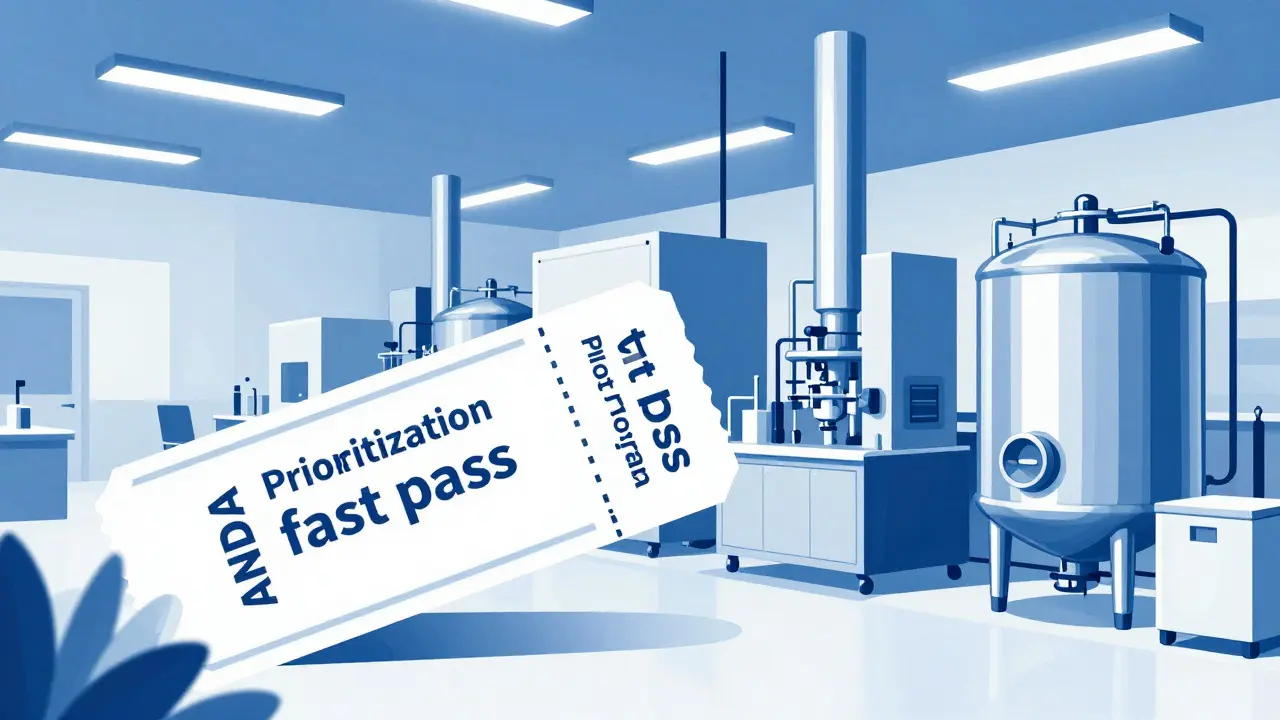
FDA Generic Drug Approval Changes 2023-2025: What You Need to Know
-
Written by Clarissa Farnell
5/ 04
Explore the major FDA generic approval changes from 2023-2025, including the ANDA Prioritization Pilot Program and its impact on U.S. drug manufacturing and pricing.
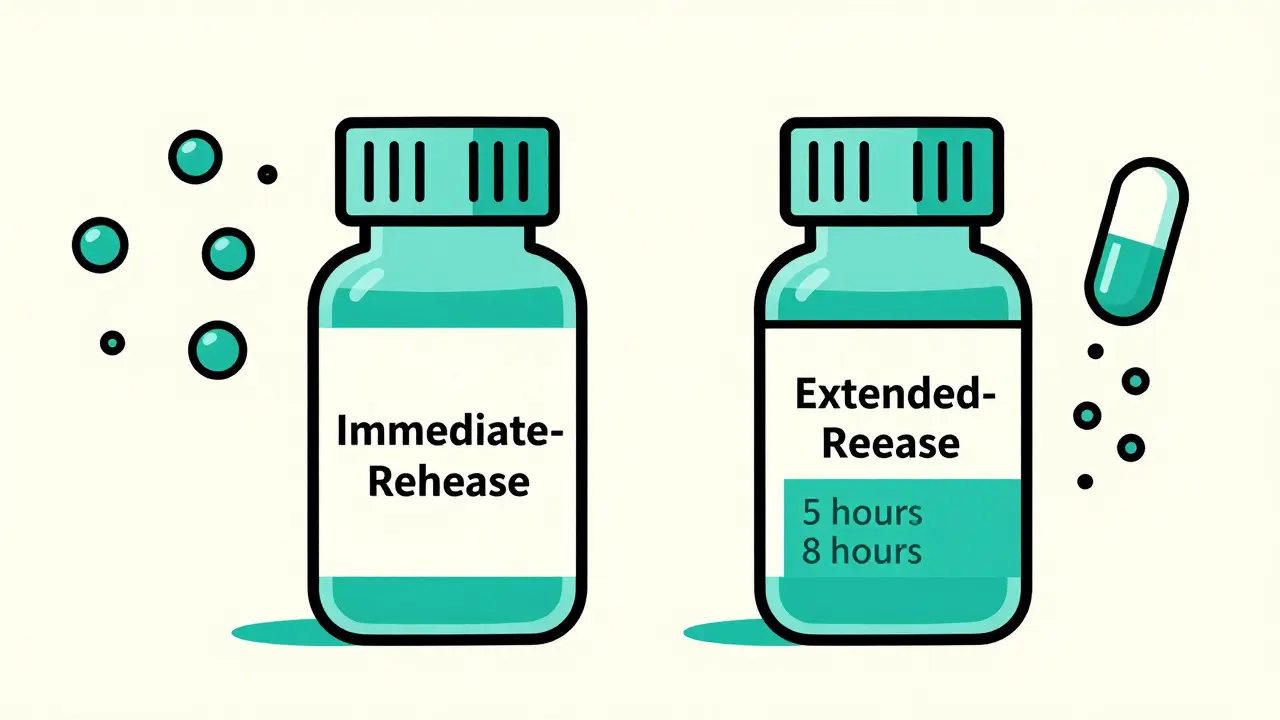
Metformin Extended-Release vs Immediate-Release: Is XR Better for Your Stomach?
-
Written by Clarissa Farnell
1/ 04
Compare Metformin Extended-Release vs Immediate-Release to see if the slower acting pill really reduces stomach issues. We analyze clinical data on GI side effects, costs, and patient experiences.
Best OTC Constipation Remedies: Fiber vs Laxatives Explained
-
Written by Clarissa Farnell
30/ 03
Discover the truth about OTC constipation remedies including fiber, stool softeners, and laxatives. Learn which types work best for chronic relief versus occasional rescue.
Negotiated Rebates on Generics: What Insurance Actually Pays Explained

-
Written by Clarissa Farnell
27/ 03
Explore why generic drugs rarely generate rebates and how Pharmacy Benefit Managers use spread pricing to manage margins.
Fatty Foods and Lipid-Based Medications: Absorption Enhancement

-
Written by Clarissa Farnell
25/ 03
Discover how fatty foods interact with lipid-based medications to boost absorption. Learn about bioavailability, real drug examples like cyclosporine, and the science behind SEDDS technology.
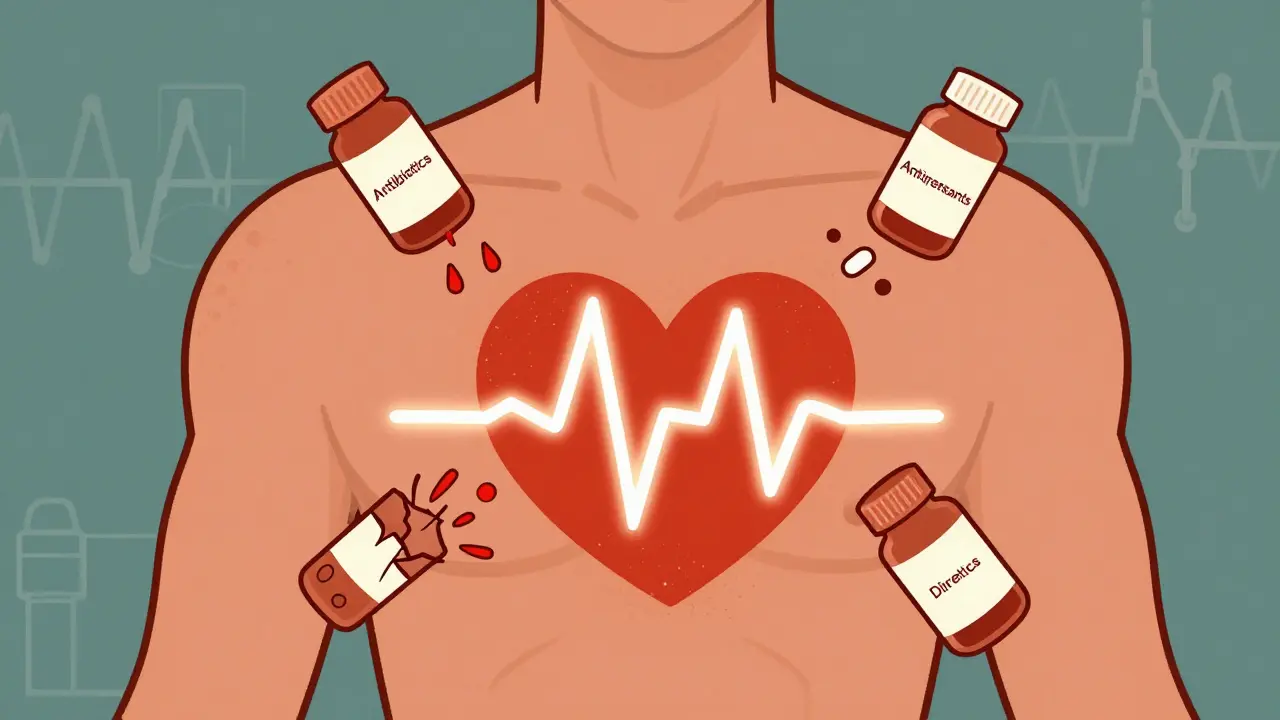
Heart Arrhythmias from Medications: Warning Signs and How to Manage Them
-
Written by Clarissa Farnell
22/ 03
Over 400 medications can trigger dangerous heart rhythm problems. Learn the warning signs, high-risk drugs, and how to prevent or manage medication-induced arrhythmias before it's too late.
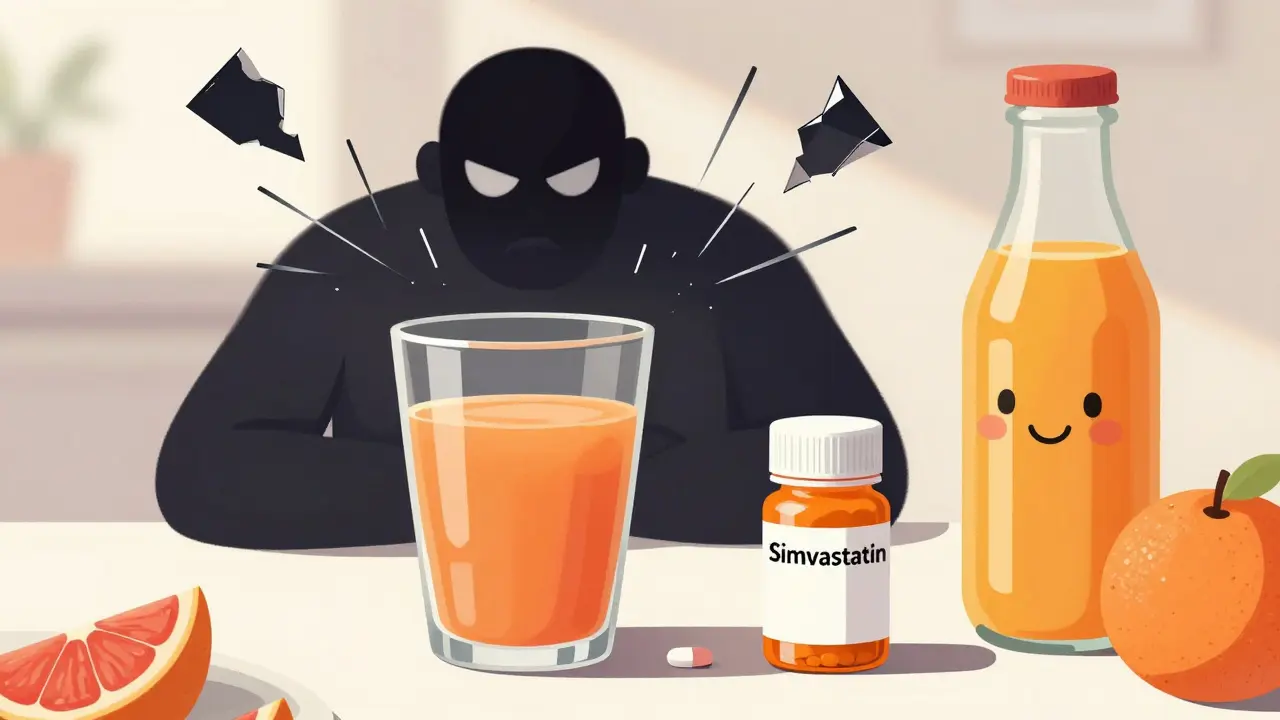
Grapefruit Juice Interactions: Why Some Medications Are Affected
-
Written by Clarissa Farnell
18/ 03
Grapefruit juice can dangerously increase drug levels in your blood by blocking enzymes that break down medications. Over 85 drugs, including statins and blood pressure pills, are affected. Learn which ones are risky and how to stay safe.
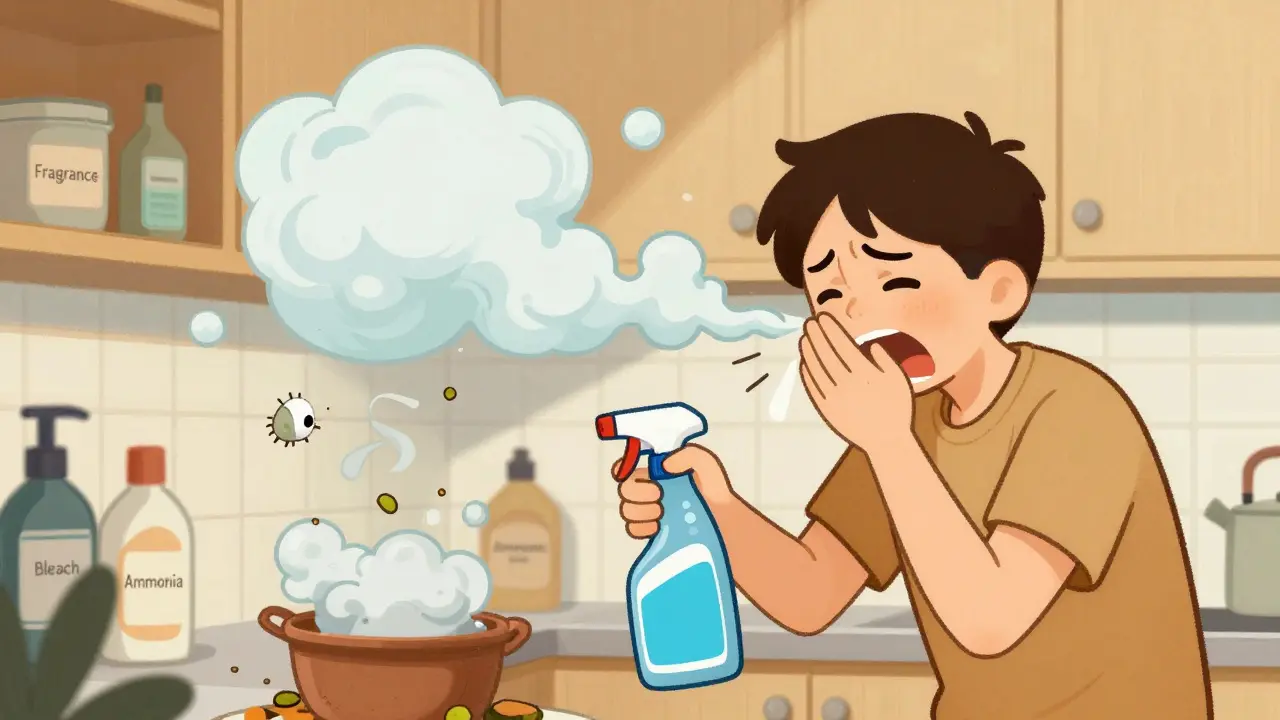
Allergy-Friendly Cleaning: Products That Reduce Triggers
-
Written by Clarissa Farnell
15/ 03
Discover which cleaning products truly reduce allergy triggers. Learn the science behind certified hypoallergenic cleaners, key ingredients to look for, and how to clean safely for asthma and allergy sufferers.
How to Dispose of Medications in Household Trash Safely

-
Written by Clarissa Farnell
13/ 03
Learn the safe, step-by-step way to dispose of expired or unused medications in household trash-without risking accidental poisoning, theft, or environmental harm. Follow FDA and EPA guidelines to protect your family and community.
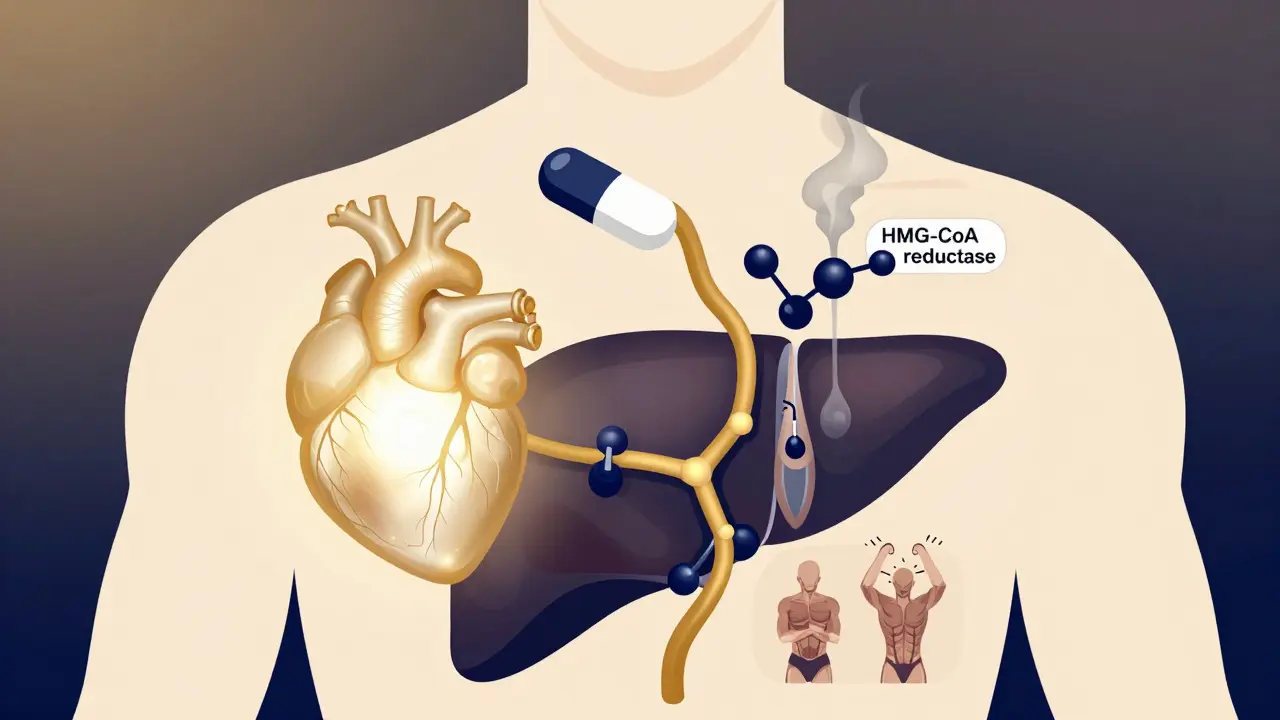
Statins and Diabetes: How Statins Can Raise Blood Sugar in Some People
-
Written by Clarissa Farnell
11/ 03
Statins help prevent heart attacks, but they can slightly raise blood sugar in some people - especially those already at risk for diabetes. Learn who’s most affected, why it happens, and how to manage it without stopping your statin.
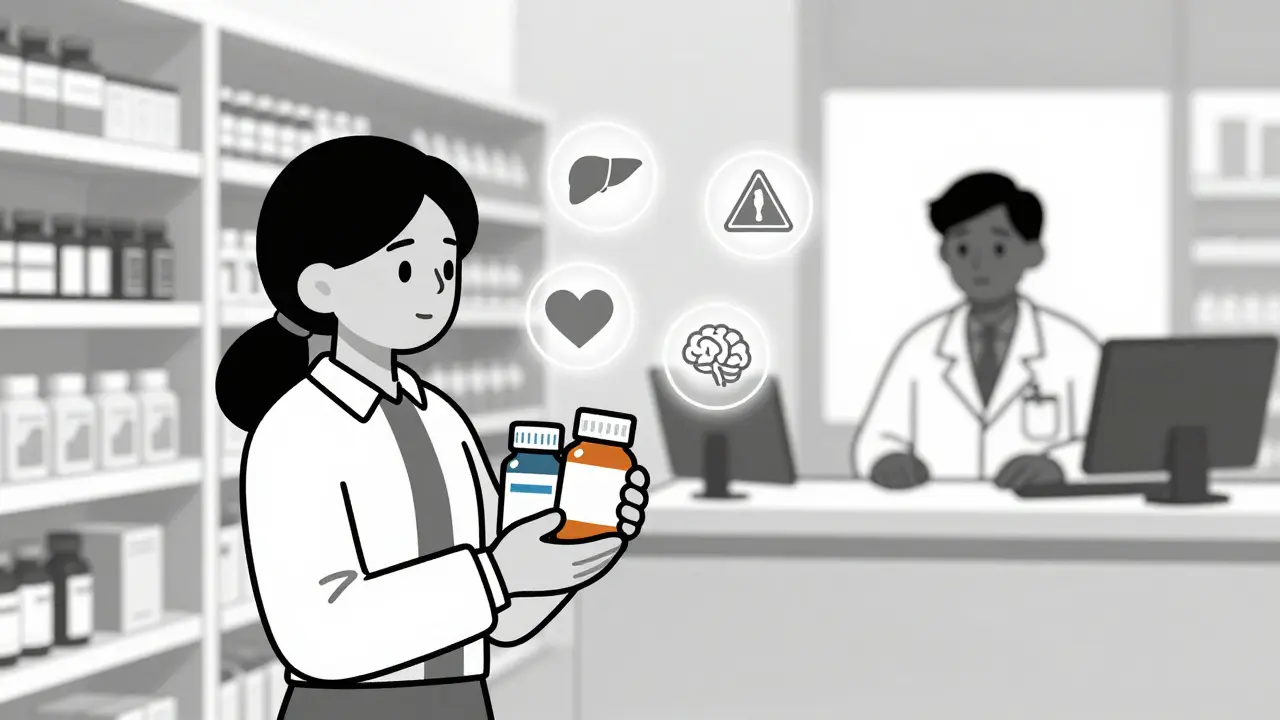
OTC to Prescription Switches: Safety Considerations for Consumers
-
Written by Clarissa Farnell
8/ 03
OTC switches make medications more accessible, but they also increase risks like overdose, drug interactions, and misdiagnosis. Learn how to use them safely and avoid hidden dangers.
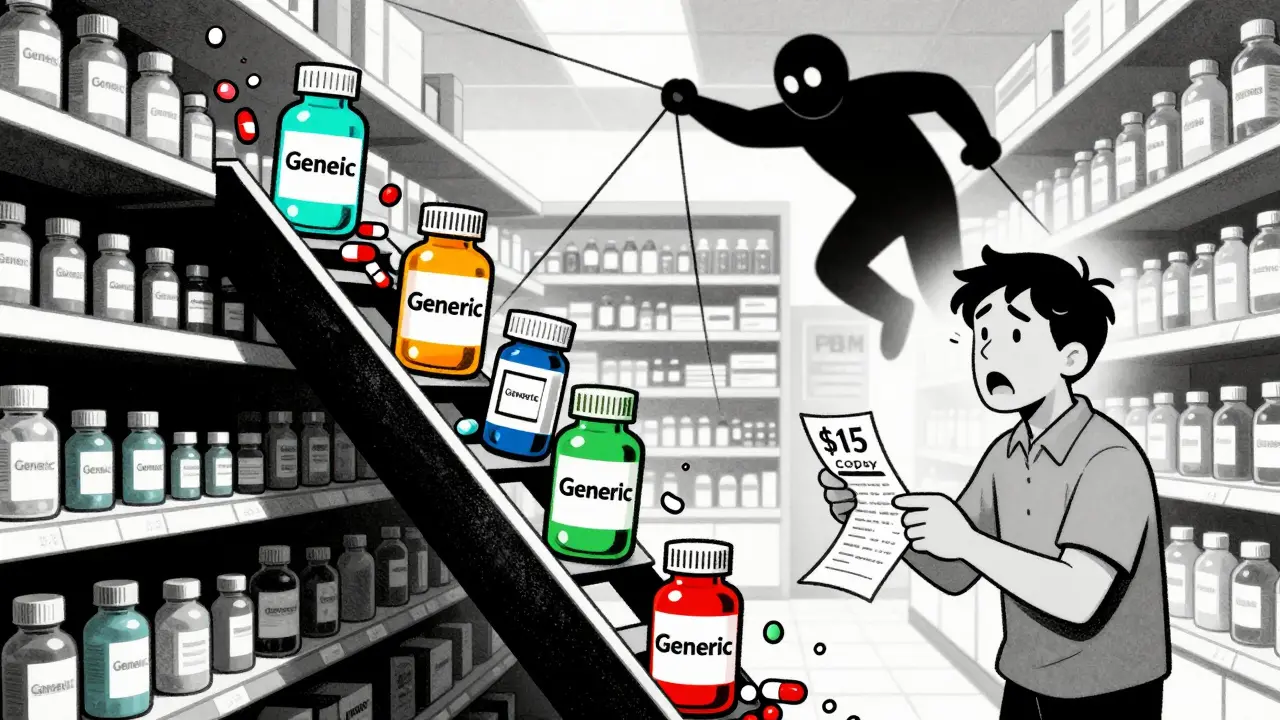
Generic Price Wars: How Consumers Actually Benefit
-
Written by Clarissa Farnell
6/ 03
Generic drug price wars can slash costs by over 95%, but middlemen often block savings. Learn how to actually save money on prescriptions-even if you have insurance.