Author: Clarissa Farnell - Page 9
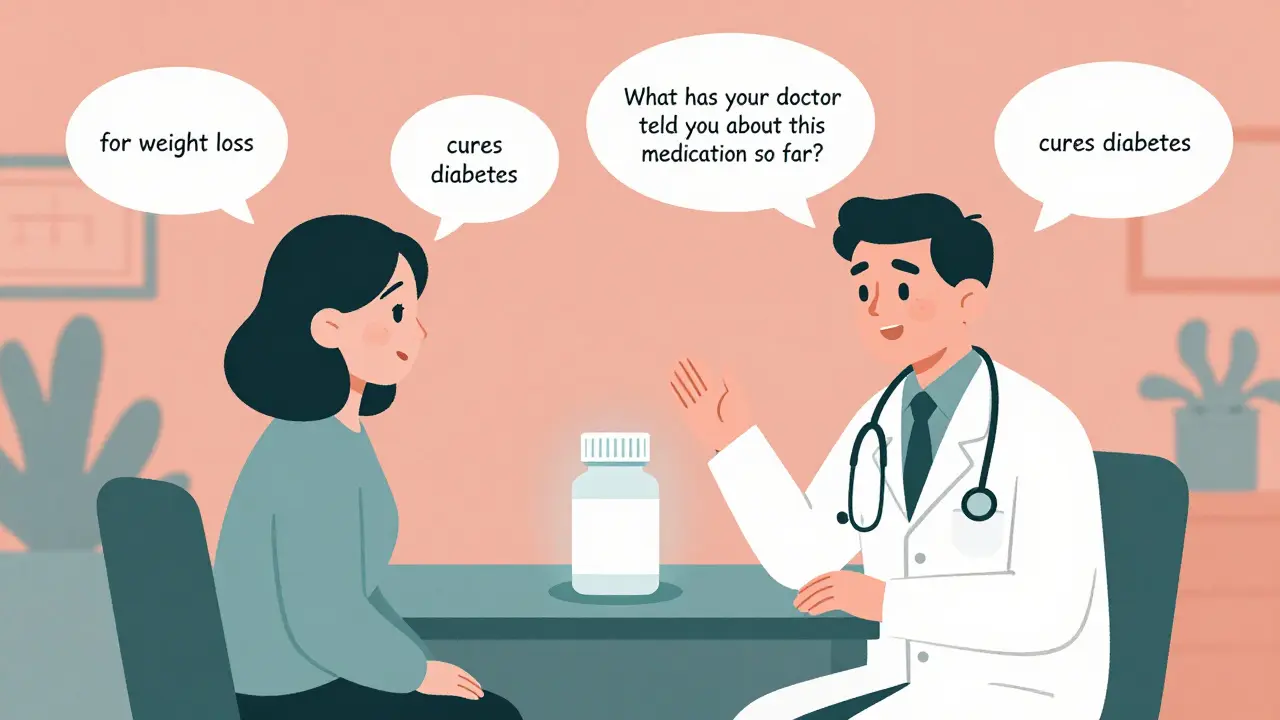
How to Communicate Medication Goals and Expectations Clearly
-
Written by Clarissa Farnell
28/ 01
Clear communication about medication goals and expectations improves adherence, reduces errors, and saves lives. Learn proven techniques like Teach-Back, plain language, and visual aids to help patients truly understand their prescriptions.
Insurance Coverage of Online Pharmacy Generics: What You Need to Know in 2026

-
Written by Clarissa Farnell
27/ 01
Learn how insurance covers generic drugs from online pharmacies in 2026. Understand mail-order vs. independent sites, formulary tiers, RxPass, and how to avoid costly mistakes.
Federal Circuit Court: Authority on Pharmaceutical Patent Cases

-
Written by Clarissa Farnell
26/ 01
The Federal Circuit Court controls U.S. pharmaceutical patent law, shaping how generics enter the market, how patents are challenged, and whether new dosing regimens can be protected. Its rulings impact drug prices, innovation, and billions in revenue.
Neuropathic Pain: Nerve Damage and Gabapentin vs. Pregabalin

-
Written by Clarissa Farnell
25/ 01
Gabapentin and pregabalin are two leading treatments for neuropathic pain caused by nerve damage. Learn how they compare in effectiveness, side effects, dosing, cost, and real-world use for conditions like diabetic neuropathy and postherpetic neuralgia.
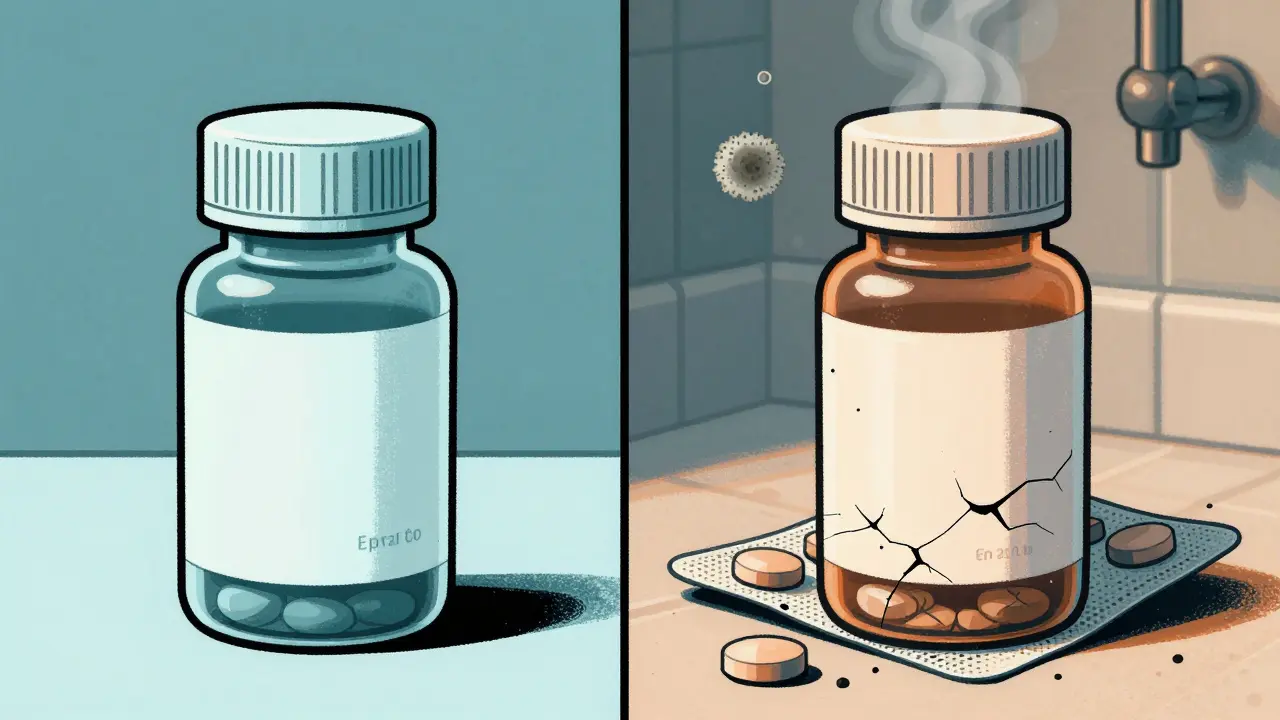
Stability and Shelf Life: How Generic Products Degrade and Why Safety Depends on More Than Expiration Dates
-
Written by Clarissa Farnell
23/ 01
Expiration dates on medicines and food aren't arbitrary - they're based on rigorous stability testing. Learn how generic drugs degrade differently than brand-name versions, why storage matters more than you think, and what really happens when products go bad.
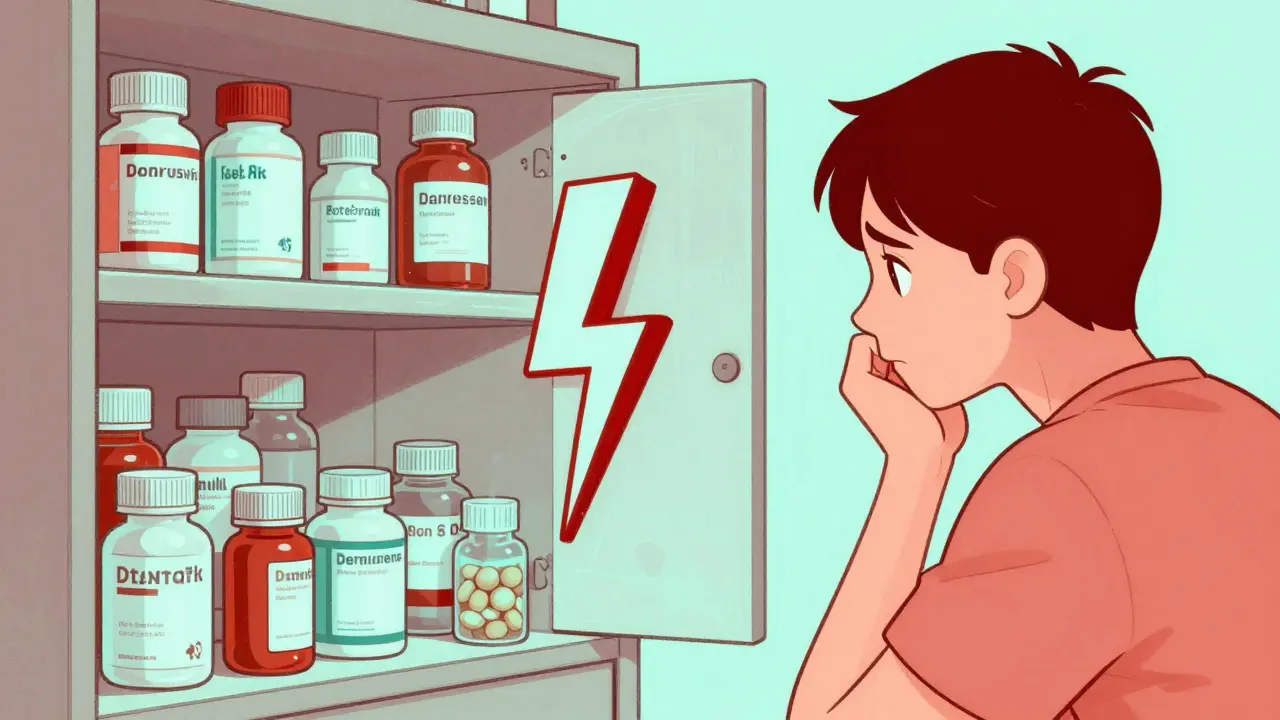
Questions to Ask Before Taking Any Supplement with Medicines
-
Written by Clarissa Farnell
22/ 01
Taking supplements with prescription meds can be dangerous - even deadly. Learn the seven critical questions to ask before combining any supplement with your medicine, from St. John’s wort risks to warfarin interactions.
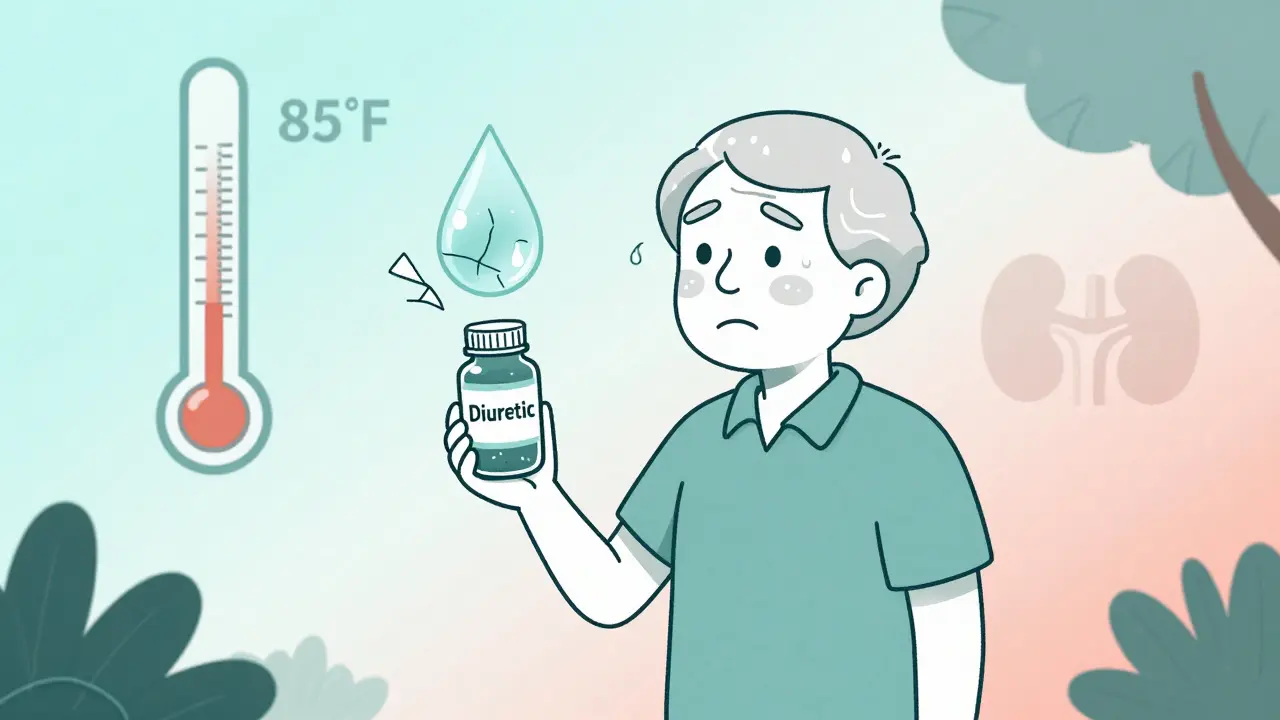
Heat Exposure Precautions with Diuretics and Anticholinergics: What You Need to Know
-
Written by Clarissa Farnell
21/ 01
Diuretics and anticholinergics can block your body’s ability to cool down in hot weather, raising the risk of heat illness. Learn how these common medications affect your health and what steps to take to stay safe.
Out-of-Pocket Costs: What Patients Pay for Generics vs Brand-Name Drugs
-
Written by Clarissa Farnell
20/ 01
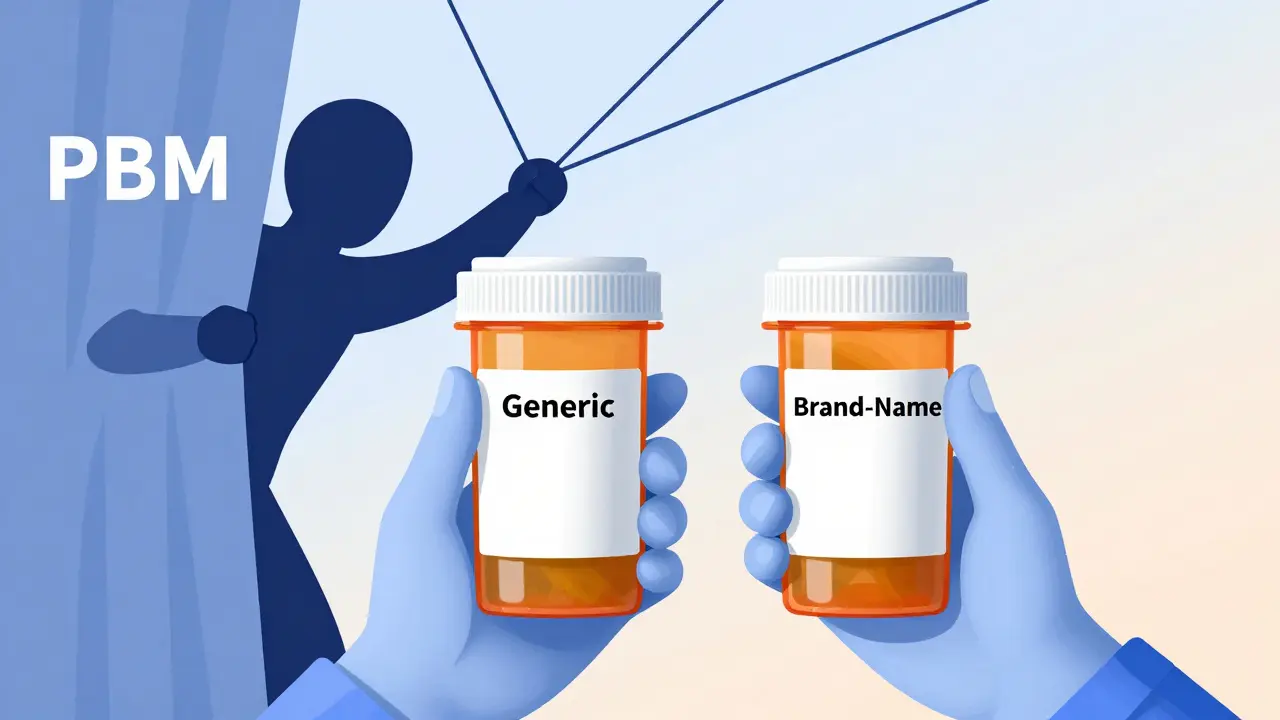
Generic drugs usually cost far less than brand-name versions, but out-of-pocket costs can vary wildly based on insurance rules, Medicare Part D design, and pharmacy pricing. Learn why you might pay more for a generic-and how to save.
Long-Term Care Insurance and Generic Drug Coverage in Nursing Homes: What You Really Need to Know
-
Written by Clarissa Farnell
19/ 01
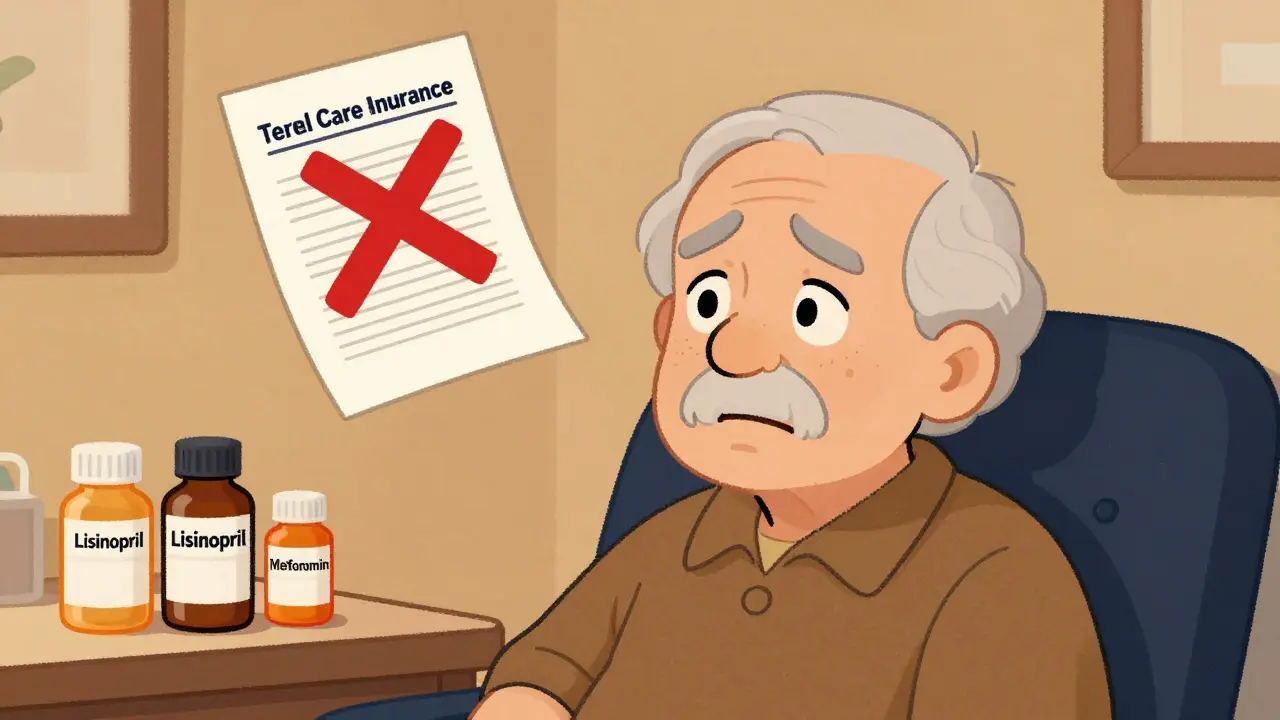
Long-term care insurance doesn't cover prescription drugs-not even generics. Medicare Part D is the main payer for nursing home medications, but formularies, delays, and coverage gaps still leave many residents struggling to access essential drugs.
Ashwagandha and Thyroid Medications: Risks of Over-Replacement
-
Written by Clarissa Farnell
18/ 01
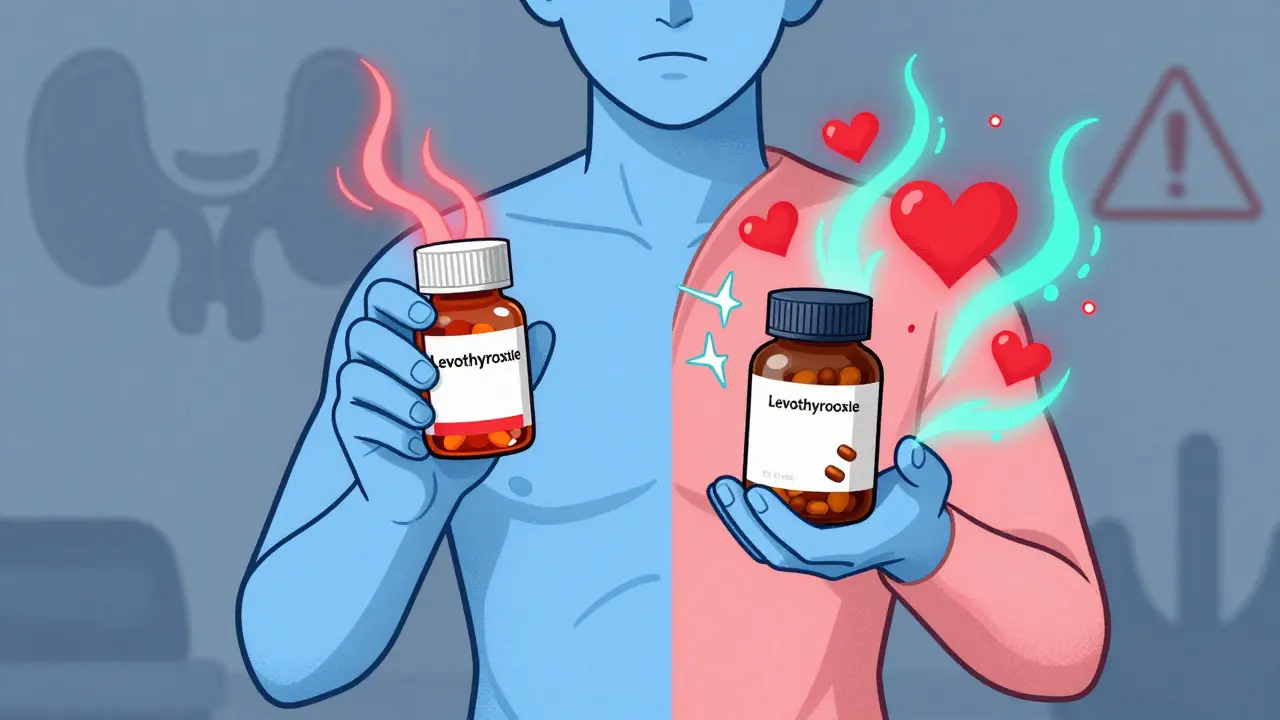
Ashwagandha can dangerously increase thyroid hormone levels when taken with medications like levothyroxine, leading to over-replacement and serious health risks. Learn why doctors advise against combining them and what to do if you're already using both.
Carpal Tunnel Syndrome: Understanding Wrist Pain and Nerve Decompression

-
Written by Clarissa Farnell
17/ 01
Carpal tunnel syndrome causes wrist pain and numbness from median nerve compression. Learn what triggers it, how it's diagnosed, and which treatments actually work-from splinting to surgery.
How to Evaluate Media Reports about Medication Safety: A Practical Guide
-
Written by Clarissa Farnell
16/ 01
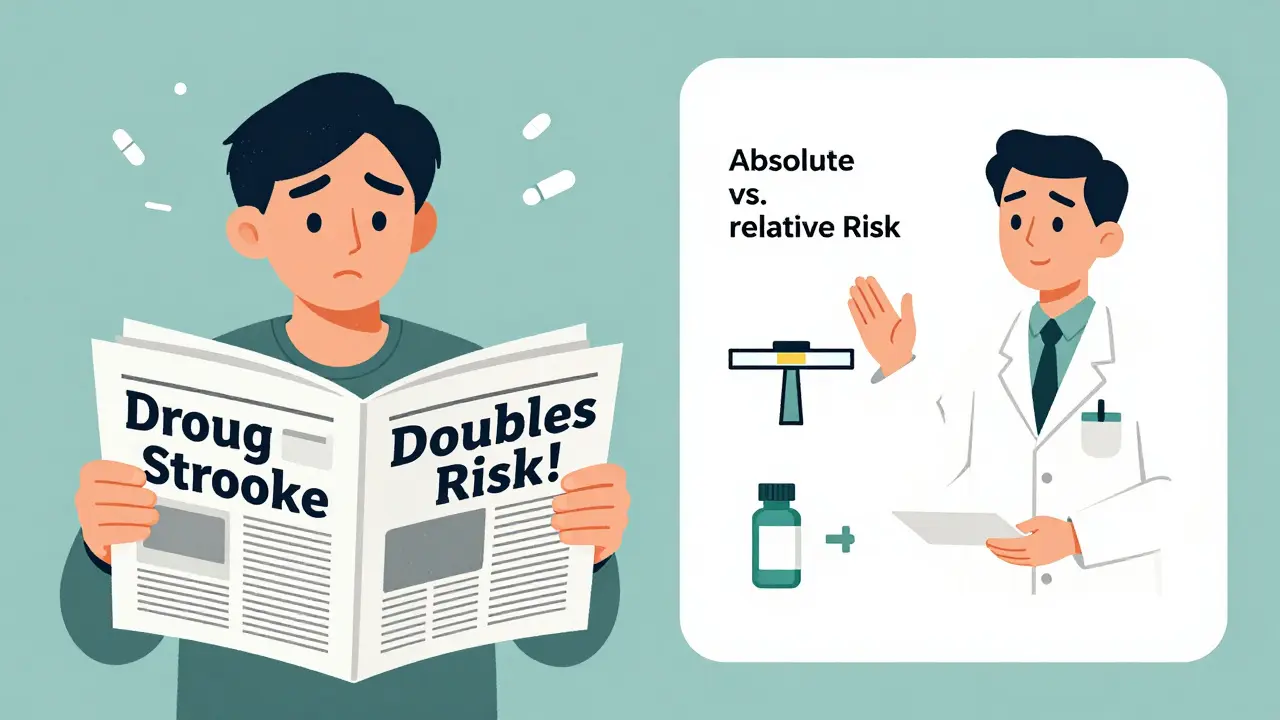
Learn how to spot misleading claims in media reports about drug safety. Understand the difference between medication errors and side effects, interpret risk correctly, and find real data behind the headlines.